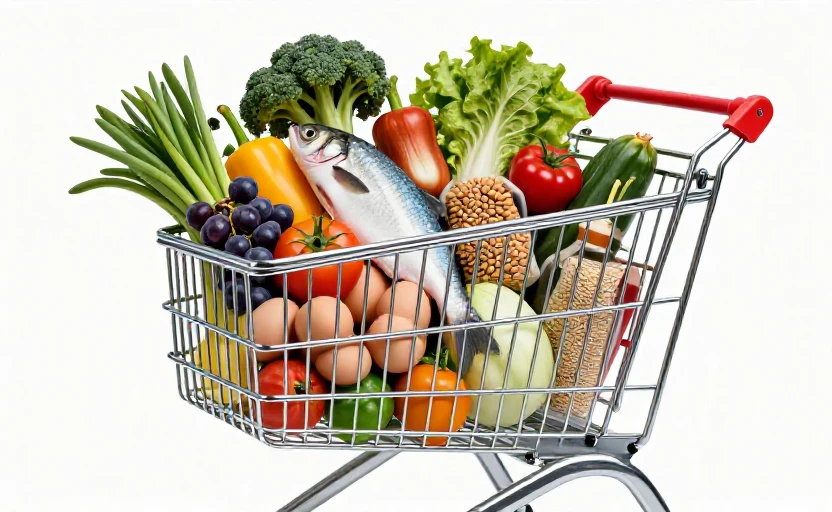
Navigating the grocery store with Polycystic Ovary Syndrome (PCOS) can feel overwhelming. You know food choices matter, especially for managing insulin resistance—a common and challenging aspect of the condition. But you don’t need a complicated diet or a pantry full of obscure ingredients. The foundation is simple: choosing whole, nutrient-dense foods that help your body use insulin more effectively.
This isn’t about restriction or perfection. It’s about building a practical, sustainable way of eating that supports your hormones and energy levels. Think of your cart as a tool for nourishment, filled with foods that work with your body, not against it.
What to look for on a PCOS-friendly grocery list
The goal is to choose foods that promote stable blood sugar. Sharp spikes and crashes in glucose can worsen insulin resistance and inflammation. The key is a combination of fiber, healthy fats, and lean protein. These nutrients slow down the digestion of carbohydrates, leading to a gentler, more manageable rise in blood sugar after eating.
Focus on building your plate, not banning foods. A balanced approach is more sustainable and effective in the long run.
You’ll want to prioritize:
- High-fiber vegetables and fruits: Fiber is a powerhouse for insulin sensitivity. It slows digestion and feeds beneficial gut bacteria linked to metabolic health.
- Quality protein sources: Protein helps you feel full, supports muscle mass (which improves glucose metabolism), and has a minimal impact on blood sugar.
- Healthy fats: Fats from certain sources can improve cell sensitivity to insulin and reduce inflammation.
- Complex, fiber-rich carbohydrates: Instead of refined carbs, choose whole grains and starchy vegetables that release energy slowly.
Building your cart: Aisle by aisle
Let’s translate those principles into a practical shopping list. This is a framework, not a prescription—mix, match, and find what works for your tastes and routine.
Produce section
Load up here. Non-starchy vegetables are your best friends, offering volume, nutrients, and fiber with very few calories and carbs.
- Leafy greens: Spinach, kale, Swiss chard, arugula, romaine.
- Colorful veggies: Bell peppers (all colors), broccoli, cauliflower, Brussels sprouts, asparagus, green beans, zucchini, eggplant, tomatoes, mushrooms.
- Fruits (enjoy in moderation): Berries (blueberries, strawberries, raspberries) are lower in sugar and high in antioxidants. Apples, pears, and citrus fruits with their peel are also good choices.
- Starchy vegetables (treat as your carb portion): Sweet potatoes, butternut squash, pumpkin, carrots.
Protein picks
Aim for a variety of sources throughout the week.
- Plant-based: Lentils, chickpeas, black beans, tofu, tempeh, edamame.
- Fish and seafood: Salmon (rich in anti-inflammatory omega-3s), mackerel, sardines, cod, shrimp.
- Poultry and eggs: Chicken breast, turkey, whole eggs.
Healthy fats
These add flavor, promote satiety, and support hormone production.
- For cooking: Avocado oil, extra virgin olive oil.
- For finishing & dressings: Extra virgin olive oil, flaxseed oil.
- To add to meals: Avocados, olives, nuts (almonds, walnuts, pistachios), seeds (chia, flax, pumpkin, sunflower).
Pantry staples
Stock these for easy, balanced meals.
- Whole grains: Quinoa, oats (old-fashioned or steel-cut), brown rice, farro, barley, 100% whole-grain or legume-based pasta.
- Canned goods: Diced tomatoes (no sugar added), beans (rinsed to reduce sodium), tuna or salmon in water.
- Herbs, spices, and flavor: Cinnamon (linked to improved insulin sensitivity), turmeric, ginger, garlic, onion, vinegar (apple cider, balsamic), low-sodium broths.
Foods to be mindful of
You don’t need to eliminate anything entirely, but being aware can help you make informed choices. These foods tend to cause rapid blood sugar spikes and may increase inflammation for some people.
- Highly processed carbohydrates: White bread, pastries, sugary cereals, regular pasta, crackers.
- Sugary drinks: Soda, sweetened coffee drinks, fruit juices, sports drinks.
- Fried foods and processed meats: Often high in unhealthy fats and additives.
- Foods with added sugars: Check labels on sauces, yogurts, and packaged snacks.
If you enjoy these foods, consider having them less frequently, in smaller portions, and always paired with protein, fat, and fiber. For example, have a small piece of dark chocolate with a handful of almonds, not by itself.
Putting it all together: A sample day of eating
Seeing how these foods combine into meals can make the plan feel more tangible.
Breakfast: A vegetable omelet with spinach and mushrooms, cooked in olive oil, served with a side of berries.
Lunch: A large salad with mixed greens, grilled chicken, chickpeas, avocado, and a variety of chopped vegetables, dressed with olive oil and vinegar.
Snack: Plain Greek yogurt with a sprinkle of cinnamon and a few walnuts.
Dinner: Baked salmon with a quinoa pilaf and roasted broccoli and cauliflower.
Remember, consistency over perfection makes the biggest difference. Start by adding more vegetables to your meals, swapping one refined grain for a whole grain, or incorporating a healthy fat at each meal. Small, sustainable shifts in your grocery choices can become powerful habits for managing PCOS and supporting your overall well-being.