If you have Polycystic Ovary Syndrome (PCOS), you know that what you eat can ripple into how you feel, your energy levels, and even your hormone balance. One of the most common underlying drivers of PCOS symptoms is insulin resistance—a condition where your cells don't respond as well to insulin, prompting the body to produce more. This extra insulin can then stimulate the ovaries to produce more androgens, worsening the cycle of PCOS.
This is where a focused nutritional approach comes in. You don't need a rigid, restrictive diet to improve insulin sensitivity. Instead, you need consistent, balanced meals that stabilize blood sugar and support your body's natural rhythms. Below is a simple, flexible 7-day meal plan designed with exactly that in mind. These are template ideas—think of them as a starting point, not a prescription. Pay attention to portion sizes and how your body feels, and adjust as needed.
What This Plan Emphasizes (and What It Leaves Out)
This plan is built on a few core principles: high fiber, adequate protein, healthy fats, and a focus on low glycemic index (GI) carbohydrates. The goal is to slow down digestion and prevent sharp spikes in blood sugar. You'll notice a strong presence of non-starchy vegetables, legumes, lean proteins, and anti-inflammatory fats like olive oil and avocado. Processed sugars and refined grains (think white bread, sugary cereals, and soda) are intentionally absent because they can rapidly spike blood glucose and insulin levels.
Day 1: Starting Steady
Breakfast: A veggie scramble made with two eggs, a handful of spinach, and ¼ cup of sautéed mushrooms, cooked in a teaspoon of olive oil. Pair with ½ cup of blackberries.
Lunch: A large bed of mixed greens topped with 5 ounces of grilled chicken, ½ cup of chickpeas, ½ an avocado, cucumber, and a simple dressing of lemon juice and olive oil.
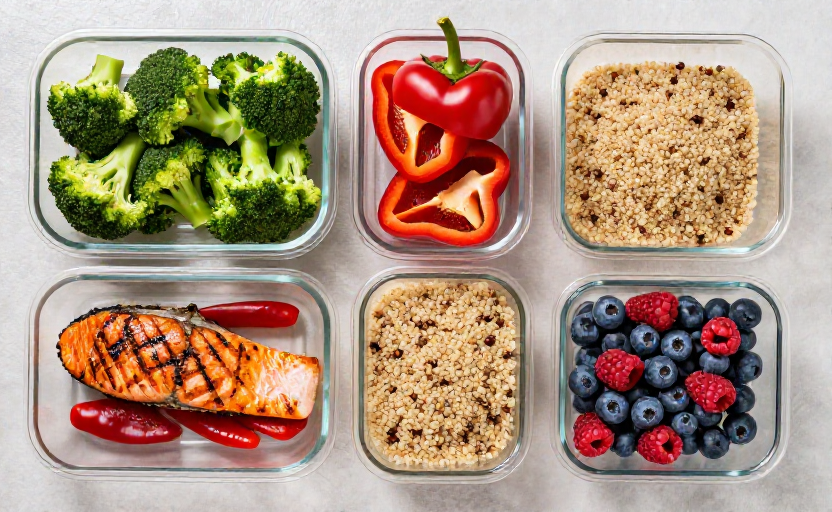
Dinner: Baked salmon (6 ounces) seasoned with herbs and lemon, served alongside 1 cup of roasted broccoli and ½ cup of cooked quinoa.
Snack Option: A small handful of raw almonds (about 15).
Day 2: Fiber Forward
Breakfast: A smoothie made with 1 scoop of unsweetened protein powder (pea or whey), 1 cup of unsweetened almond milk, 1 tablespoon of chia seeds, ½ cup of frozen unsweetened cherries, and a handful of kale.
Lunch: Lentil soup (check labels for low sodium) with a side salad of mixed greens, cherry tomatoes, and a tablespoon of pumpkin seeds.
Dinner: Stir-fry of 5 ounces of tofu or chicken with 2 cups of mixed vegetables (bell peppers, snap peas, bok choy) in a sauce made from tamari, ginger, and garlic, served over ½ cup of brown rice.
Snack Option: A small pear or a green apple.
Day 3: Protein-Packed Plate
Breakfast: Plain Greek yogurt (full-fat or 2%, ¾ cup) topped with 2 tablespoons of chopped walnuts and ½ cup of sliced strawberries.
Lunch: Leftover stir-fry from Day 2.
Dinner: Lean grass-fed beef patty (4–5 ounces) served in lettuce wraps with tomato, onion, and a side of roasted asparagus drizzled with olive oil.
Snack Option: Celery sticks with 2 tablespoons of almond butter.
Day 4: Legume and Leaf Day
Breakfast: Overnight oats made with ⅓ cup rolled oats, ⅓ cup plain yogurt, ⅓ cup water, 1 tablespoon of flaxseed meal, and a dash of cinnamon. Let it sit overnight and top with ½ cup of blueberries in the morning.
Lunch: A large salad bowl with ¾ cup of black beans, ½ cup of corn, diced bell pepper, red onion, cilantro, and 5 ounces of grilled shrimp. Dress with lime juice and a drizzle of olive oil.
Dinner: Stuffed bell peppers: two bell peppers filled with a mixture of 5 ounces of ground turkey, ½ cup of cooked brown rice, tomato sauce, and spinach, baked until tender.
Snack Option: A hard-boiled egg.
Day 5: Healthy Fats Focus
Breakfast: Chia pudding: mix 3 tablespoons of chia seeds with 1 cup of unsweetened coconut milk. Refrigerate overnight. Top with ¼ cup of chopped unsalted pistachios and a few raspberries.
Lunch: Open-faced tuna salad: mash 1 can of tuna (in water) with 1 tablespoon of olive oil, mustard, and diced celery. Serve on one slice of sprouted grain bread. Pair with a side of carrot sticks.
Dinner: Roasted chicken thigh (skinless, 5 ounces) with 1 cup of roasted cauliflower and ½ cup of lentil pasta tossed in pesto (check for seed oils).
Snack Option: ¼ cup of pumpkin seeds.
Day 6: Satisfying and Simple
Breakfast: Two poached eggs on top of a bed of sautéed kale and ½ an avocado, seasoned with salt, pepper, and red pepper flakes.
Lunch: Leftover chicken and cauliflower from Day 5.
Dinner: Baked white fish (cod or halibut, 6 ounces) with a crust of crushed almonds and herbs, served with 1 cup of sautéed zucchini and yellow squash.
Snack Option: A handful of olives.
Day 7: Weekend Comfort
Breakfast: A two-egg omelet with ¼ cup of black beans, a slice of low-fat cheese, and salsa. Served with ½ cup of roasted sweet potato wedges.
Lunch: Shredded chicken or pork (5 ounces) in a bowl with ½ cup of quinoa, ½ cup of black beans, salsa, and ¼ of an avocado.
Dinner: A bowl of hearty minestrone soup (lots of vegetables and beans, skip the pasta or use a lentil-based version).
Snack Option: A handful of roasted edamame (unsalted).
Grocery List Staples
- Protein: Eggs, chicken, salmon, white fish, lean beef, ground turkey, tofu, canned tuna.
- Legumes & Pantry: Lentils, black beans, chickpeas, quinoa, brown rice, rolled oats, chia seeds, flaxseed meal.
- Vegetables (focus on non-starchy): Spinach, kale, broccoli, cauliflower, asparagus, bell peppers, mushrooms, zucchini, cucumber, tomatoes.
- Fruits (low GI): Berries (all kinds), cherries, pears, green apples.
- Healthy Fats: Avocado, olive oil, almonds, walnuts, pumpkin seeds, almond butter, olives.
Success with any meal plan comes down to consistency, not perfection. Use these days as a flexible guide. If you are trying to conceive or have specific health conditions, always consult with a registered dietitian or your healthcare provider before making major dietary changes.