
Transitioning off birth control to plan a pregnancy brings a mix of excitement and uncertainty. After months or years of relying on hormonal contraception, your body needs time to re-establish its natural rhythm. Tracking your cycle becomes your most reliable tool during this phase, helping you understand when ovulation returns and when you’re most fertile. This guide walks you through practical, low-stress ways to monitor your cycle after stopping birth control, so you can feel informed and empowered as you start trying to conceive.
Many people wonder how long it takes for cycles to regulate after the pill, patch, or IUD. The answer varies, but what stays constant is the value of consistent observation. By paying attention to physical signs and using simple tracking methods, you can gather the data you need to time intercourse effectively and have informed conversations with your healthcare provider.
Understanding your post-birth control cycle
Hormonal birth control works by suppressing ovulation and altering the uterine lining. When you stop taking it, your body begins to produce its own estrogen and progesterone again. For some, a regular period returns within a few weeks. For others, it may take several months before cycles become predictable. This doesn’t mean anything is wrong — it’s simply your system recalibrating.
During this transition, you might notice changes in flow, cycle length, or menstrual symptoms. These variations are normal. The key is to start tracking from the moment you stop contraception, even if your first bleed isn’t a true period. Every data point gives you a clearer picture of what’s happening.
Key signs of fertility to watch for
Once you’re off birth control, your body sends signals when it’s approaching ovulation. Learning to recognize these signs helps you identify your fertile window.
Cervical mucus changes
Your cervical mucus changes in consistency throughout your cycle. Right after your period, you may have dry or sticky discharge. As estrogen rises, it becomes creamy, then wet and slippery — resembling raw egg whites. That slippery quality indicates peak fertility. Tracking this daily takes only a few seconds and costs nothing.
Basal body temperature
Your basal body temperature (BBT) rises slightly after ovulation and stays elevated until your next period. By taking your temperature every morning before getting out of bed, you can confirm that ovulation occurred. A sustained temperature shift of about 0.5 to 1 degree Fahrenheit is a reliable sign. This method doesn’t predict ovulation in advance, but it confirms it after the fact, which helps you understand the timing of your fertile window in future cycles.
Ovulation predictor kits
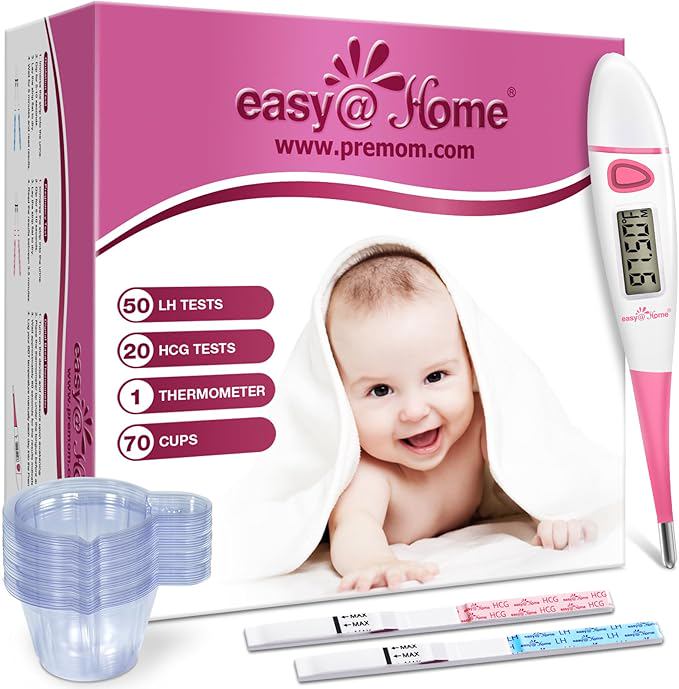
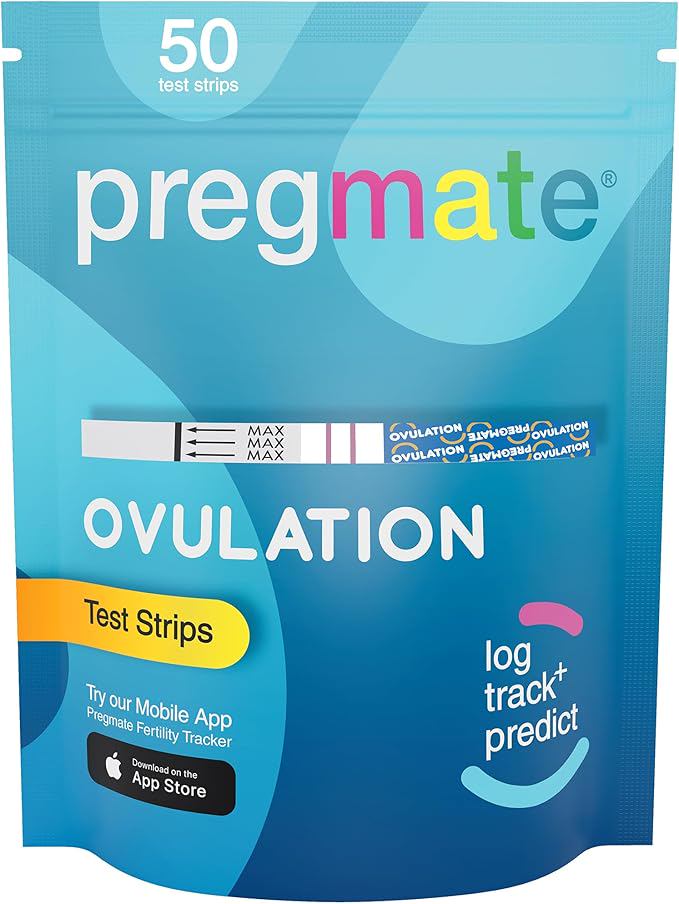
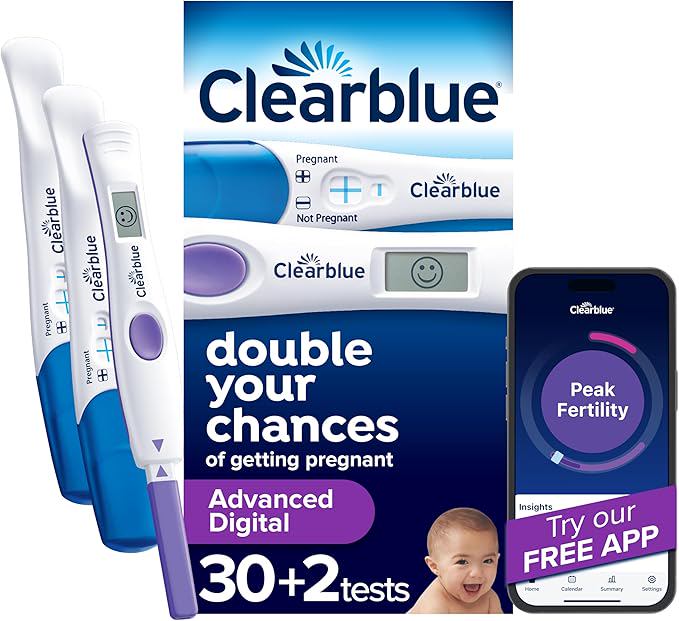
Ovulation predictor kits (OPKs) detect the surge in luteinizing hormone (LH) that happens 24 to 36 hours before ovulation. They are inexpensive, widely available, and easy to use. Start testing a few days after your period ends, once daily. A positive result means you’re likely to ovulate soon, making the next couple of days ideal for trying to conceive.
Tip: Combine OPKs with cervical mucus observation. When both point toward ovulation, you have strong confidence in your fertile window.
Choosing a tracking method that fits your life
There’s no single “best” way to track your cycle. The right method is the one you’ll actually use consistently. Here are three reliable approaches:
- Paper charting — A simple notebook or printable chart lets you record daily observations like mucus type, temperature, and any symptoms. It’s private, free, and helps you spot patterns over time.
- Period tracker apps — Apps like Clue, Flo, or Fertility Friend log your data and can predict your fertile window based on the information you enter. Look for apps that allow you to track multiple signs (temperature, mucus, OPK results) rather than just period dates.
- Fertility monitors — Wearable devices or handheld monitors measure hormone levels or temperature automatically. They remove some of the guesswork but come with a higher cost. If you prefer a tech-forward, hands-off approach, this could be a good fit.
Whichever method you choose, aim to record observations at the same time each day. Consistency improves accuracy, which matters most when you’re actively planning a pregnancy.
How long does it take for cycles to normalize?
Research shows that about 80 percent of people ovulate within the first three cycles after stopping birth control pills. For injectable contraception like Depo-Provera, it may take longer — sometimes up to a year for cycles to fully return. Intrauterine devices (IUDs), especially copper ones, often allow immediate return to fertility. Hormonal IUDs may cause a short delay of a few weeks to a few months.
If your periods don’t return within three months of stopping contraception, or if your cycles remain irregular beyond six months, it’s a good idea to check in with your healthcare provider. They can evaluate whether an underlying condition, such as polycystic ovary syndrome (PCOS) or thyroid dysfunction, is affecting your cycle.
When to seek professional guidance
Tracking your cycle is empowering, but it’s not a substitute for medical advice. Consider scheduling a preconception visit with your OB-GYN or a fertility specialist if:
- You are over 35 and have been trying to conceive for six months without success.
- Your cycles are consistently shorter than 21 days or longer than 35 days.
- You experience severe pain, very heavy bleeding, or bleeding between periods.
- You have a known condition like PCOS, endometriosis, or thyroid disease.
- You’ve had multiple miscarriages.
A healthcare provider can run basic blood work, check your hormone levels, and perform an ultrasound to assess your ovarian reserve and uterine health. This information, combined with your tracking data, gives you a full picture of your fertility status.
Tracking your cycle after birth control is one of the most practical steps you can take for pregnancy planning. It turns uncertainty into information, helps you time intercourse effectively, and gives you confidence in your body’s natural rhythms. Start simple, stay consistent, and remember that every cycle teaches you something new about your fertility. With patience and the right tools, you’ll be well on your way toward your pregnancy goals.