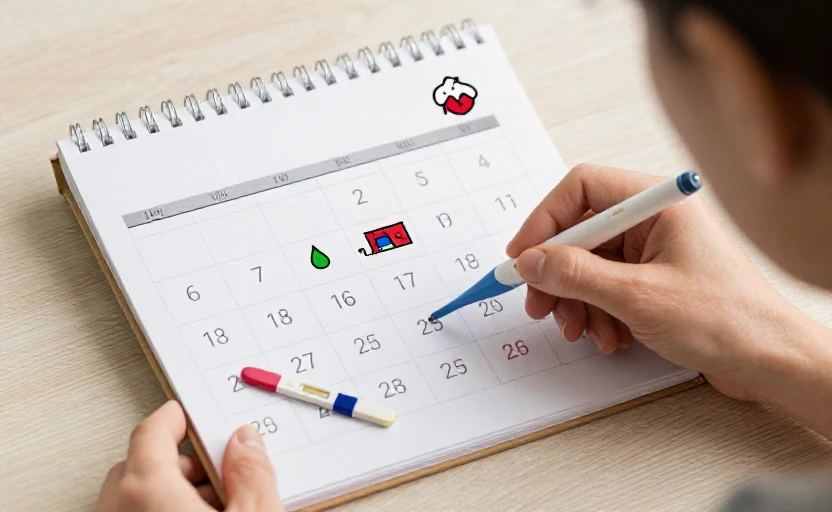
Deciding to stop birth control is a significant step, often filled with a mix of excitement and questions. One of the most common questions is, “When will my cycle return to normal, and how will I know when I’m ovulating?” The transition off hormonal contraception is a unique journey for every person, and understanding your body’s signals is the first step toward feeling empowered and informed.
Your fertility doesn’t always switch back on like a light the day you take your last pill or remove your ring or patch. It can take time for your natural hormonal rhythms to re-establish themselves. This guide is designed to walk you through that process, offering practical, evidence-based methods to help you identify ovulation as your body finds its new normal.
What to expect when you stop hormonal birth control
The first thing to know is that there’s a wide range of normal. For some, a regular menstrual cycle returns within a month. For others, it can take several months for periods and ovulation to become predictable again. This adjustment period depends on the type of birth control you were using, how long you used it, and your individual biology.
Immediately after stopping, you may experience a “withdrawal bleed,” similar to your period week on the pill. Your first true period, triggered by your own ovulation, will come later. During these first few cycles, it’s common to experience irregular timing, variations in flow, or different premenstrual symptoms than you’re used to. This is your hypothalamic-pituitary-ovarian axis—your body’s natural fertility command center—waking back up and recalibrating.
Be patient with your body. It’s not being unpredictable out of spite; it’s relearning a complex hormonal dance it hasn’t performed in a while.
Key signs and symptoms of ovulation
As your cycles regulate, you’ll start to notice physical cues that indicate ovulation is approaching or has occurred. Tuning into these signs is the foundation of fertility awareness.
Cervical mucus changes: This is one of the most reliable natural signs. In the days leading up to ovulation, estrogen rises, causing cervical mucus to become clear, slippery, and stretchy—often compared to raw egg whites. This “fertile-quality” mucus facilitates sperm travel. After ovulation, it typically becomes thicker or dries up.
Basal body temperature (BBT) shift: Your resting body temperature rises slightly (about 0.5 to 1 degree Fahrenheit) after ovulation due to increased progesterone. By tracking your BBT with a sensitive thermometer every morning before getting out of bed, you can confirm that ovulation has happened. You’ll see a sustained temperature shift for the rest of your cycle.
Secondary physical signs: Some people experience mild cramping or a twinge of pain on one side of the lower abdomen (mittelschmerz). Breast tenderness, a heightened sense of smell, or a increased libido can also occur around this time.
Practical tools for tracking ovulation
While symptom observation is powerful, several tools can provide additional clarity, especially in those first irregular post-pill cycles.
Ovulation predictor kits (OPKs)
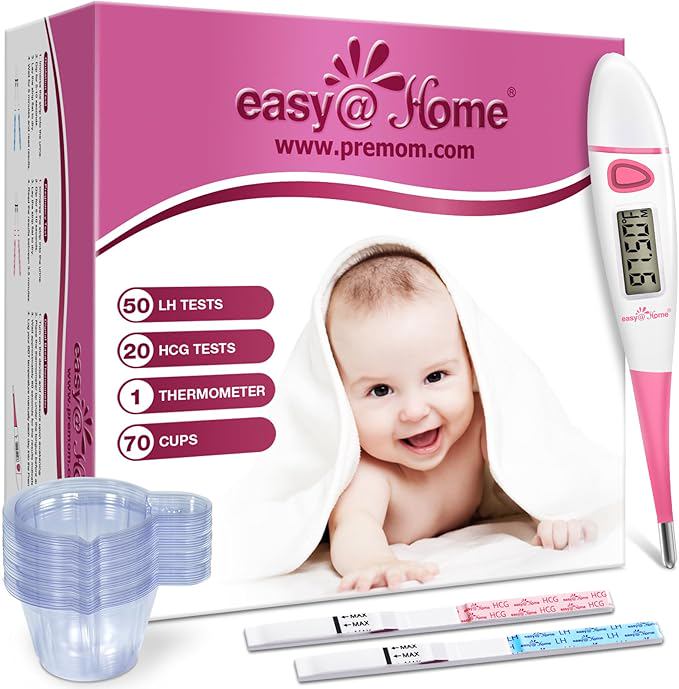
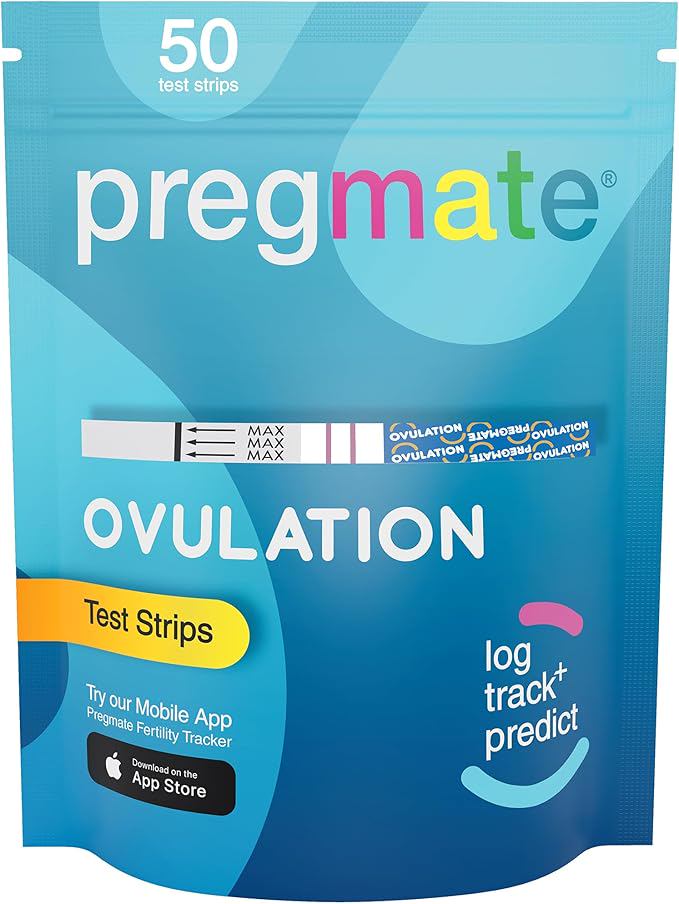
These at-home test strips detect the surge of luteinizing hormone (LH) in your urine, which occurs 24 to 36 hours before ovulation. They can be particularly helpful when your cycles are still irregular, as they give you a heads-up that your body is gearing up to release an egg. Start testing a few days before you expect ovulation based on your shortest recent cycle length.
BBT thermometers and apps
Dedicated basal body thermometers measure to a hundredth of a degree, offering the precision needed for tracking. Pairing your daily temperature reading with a fertility tracking app allows the software to chart your cycle, identify patterns, and predict your fertile window over time. Remember, BBT tells you ovulation *has* occurred; it doesn’t predict it in advance.
Fertility monitors
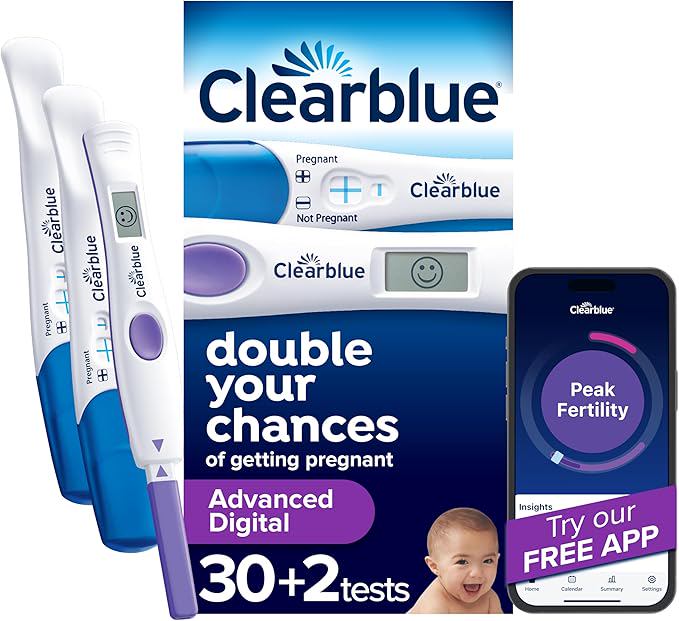
These more advanced devices track multiple hormones (like estrogen and LH) or physiological parameters to pinpoint your fertile window. They can be a more comprehensive—though often more expensive—option for those wanting a high-tech approach to understanding their cycle post-contraception.
Creating your personal tracking routine
The goal isn’t to become obsessed with data, but to build a gentle, consistent habit of observation. Start simple. Choose one or two methods that feel manageable, like checking cervical mucus daily and using OPKs for one cycle. Add BBT tracking if you want more confirmation.
Keep a journal or use your app to note not just physical signs, but also how you feel emotionally and physically throughout the cycle. This holistic picture can be incredibly validating. It’s normal for the first few charts to look confusing. Over two to three cycles, patterns will begin to emerge, giving you a clearer picture of your unique rhythm.
When to seek guidance
If you have gone 90 days or more without a period after stopping birth control (a condition called post-pill amenorrhea), it’s a good idea to check in with a healthcare provider. This is also true if, after 6-9 months of regular cycles and well-timed intercourse, pregnancy has not occurred if that is your goal. They can help rule out other underlying conditions that may have been masked by hormonal birth control and provide supportive guidance.
Tracking ovulation after discontinuing birth control is a practice in patience and self-awareness. It’s about reacquainting yourself with the innate wisdom of your body, cycle by cycle. By observing the signs and using tools wisely, you move from uncertainty to understanding, reclaiming a fundamental connection to your own health and fertility.