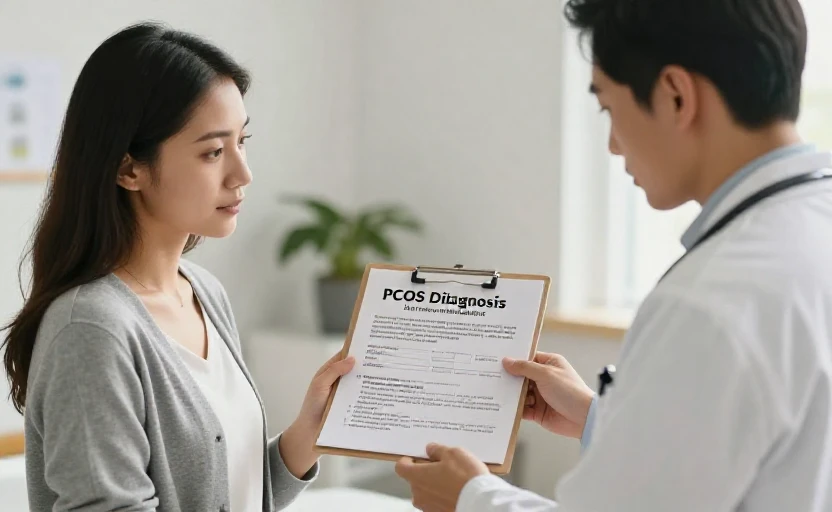
Receiving a PCOS diagnosis can feel like a turning point. For many, it’s the answer to a long, confusing journey of unexplained symptoms. For others, it’s a new and daunting term to understand. The process itself—from initial suspicion to confirmed diagnosis—can be fragmented and emotionally draining. This guide walks you through what that journey typically looks like, demystifies the diagnostic criteria, and outlines the practical, empowering steps you can take once you have a diagnosis in hand.
Polycystic ovary syndrome is a complex hormonal condition, and its diagnosis isn't based on a single, simple test. Instead, doctors use a set of criteria, looking for a pattern across your symptoms, bloodwork, and sometimes imaging. Understanding this process can help you prepare for appointments, ask better questions, and become an active participant in your own care from the very beginning.
What Triggers the PCOS Diagnostic Journey?
Most people begin this path because of noticeable, often disruptive, symptoms. You might schedule that first doctor’s visit due to irregular or absent periods, persistent acne that doesn’t respond to typical treatments, or unexpected hair growth on the face, chest, or back. For others, the trigger is difficulty conceiving after trying to become pregnant. Unexplained weight gain, particularly around the midsection, or mood changes that feel tied to your cycle are also common entry points. It’s important to track these symptoms before your appointment—note their frequency, severity, and how long they’ve been occurring. A detailed history is your most powerful tool.
The Three Pillars of a PCOS Diagnosis
To be diagnosed with PCOS, you typically need to meet at least two of the following three criteria, known as the Rotterdam criteria. Your doctor will work through these systematically.
1. Irregular Ovulation or Periods
This is often the most obvious sign. It means your ovaries aren’t releasing an egg regularly, which leads to infrequent, unpredictable, or absent menstrual cycles. Doctors generally consider cycles shorter than 21 days or longer than 35 days to be irregular. Having fewer than eight periods a year is a strong indicator. They’ll ask detailed questions about your cycle history.
2. Signs of High Androgens
Androgens are often called "male hormones," but everyone has them. In PCOS, levels can be elevated. This can show up in two ways: clinically (visible signs like excess facial or body hair, severe acne, or thinning scalp hair) or biochemically (elevated levels shown on a blood test, such as testosterone). Not everyone with PCOS will have both; some have the blood marker without the visible symptoms, or vice versa.
3. Polycystic Ovaries on Ultrasound
The "cysts" in PCOS are not true cysts but many small, immature follicles that have gathered around the edge of the ovary, often described as looking like a "string of pearls." It’s crucial to know that having polycystic ovaries on an ultrasound alone does not mean you have PCOS. Many people with completely regular cycles and no hormonal symptoms can have this appearance. It only becomes a diagnostic criterion when paired with one of the other two pillars.
Remember: The ultrasound looks for a specific ovarian morphology, not large, painful cysts. The name itself can be misleading.
The Step-by-Step Medical Process
So what actually happens in the doctor’s office? Expect a multi-step approach designed to rule out other conditions that mimic PCOS, such as thyroid disorders or elevated prolactin.
- Comprehensive Health History: Your doctor will ask about your menstrual cycle patterns from your first period onward, symptoms, weight changes, family history (of PCOS, diabetes, or infertility), and any attempts at pregnancy.
- Physical Exam: This includes checking your blood pressure, body mass index (BMI), and looking for physical signs like acne, hair growth pattern, or skin darkening (acanthosis nigricans).
- Blood Tests: These are essential. They typically check androgen levels (like free testosterone), thyroid function, cholesterol, and glucose metabolism. A key test often used is the HbA1c, which gives an average of your blood sugar levels over the past three months.
- Pelvic Ultrasound: A transvaginal ultrasound allows a close look at your ovaries and the uterine lining. The technician will count the number of follicles on each ovary.
The goal is to build a complete picture. It may take more than one appointment and several weeks to get all the results back and confirm the diagnosis.
After the Diagnosis: Your Foundational Next Steps
A PCOS diagnosis isn't an endpoint; it’s the starting line for more targeted management. The initial phase after diagnosis is about building a strong foundation for long-term health.
Metabolic Health Screening
Because PCOS is closely linked to insulin resistance—a condition where your body doesn’t use insulin efficiently—assessing your metabolic health is a critical next step. Your doctor will likely discuss your blood sugar and insulin results in detail. This isn't about causing alarm, but about understanding a core mechanism of PCOS. Addressing insulin resistance is often the most effective lever for improving symptoms and reducing long-term risks like type 2 diabetes.
Building Your Care Team
Your primary care doctor or gynecologist may be your point of entry, but PCOS care often benefits from a team approach. Depending on your symptoms and goals, this team could include:
- An endocrinologist (hormone specialist)
- A registered dietitian (RD) with experience in PCOS and insulin resistance
- A mental health professional to support the emotional aspects
- A dermatologist for persistent acne or hair loss
- A reproductive endocrinologist if fertility is a current goal
You are the captain of this team. Don’t hesitate to seek out providers who listen and specialize in this condition.
Lifestyle as Core Medicine
For most, lifestyle adjustments are the first-line and most powerful strategy. This isn’t about drastic diets or unsustainable exercise routines. It’s about consistent, gentle habits that improve insulin sensitivity and reduce inflammation.
Nutrition: Think balance and blood sugar stability. Pairing carbohydrates with protein, fat, and fiber at every meal can prevent sharp spikes in blood sugar. There’s no single "PCOS diet," but a focus on whole foods—vegetables, lean proteins, healthy fats, and complex carbs—is universally beneficial.
Movement: Regular physical activity helps your muscles use glucose more effectively. A mix of strength training (which builds insulin-sensitive muscle) and moderate cardio (like brisk walking) is often more effective than cardio alone. The best exercise is the one you can enjoy and stick with.
Stress and Sleep: Chronic stress and poor sleep can worsen insulin resistance and hormonal balance. Incorporating stress-reducing practices like mindfulness, yoga, or simply protecting time for rest is not indulgent—it’s therapeutic.
Navigating Treatment and Symptom Management
Treatment is highly individualized, based on your specific symptoms and whether your current goal is regulating cycles, improving fertility, managing skin and hair issues, or simply improving overall wellness.
- For Cycle Regulation & Androgens: Hormonal birth control (pills, patch, ring) is commonly prescribed to induce regular periods and lower androgen levels, which can improve acne and hair growth. For those who cannot or prefer not to use birth control, a medication like metformin may be used to improve insulin sensitivity, which can in turn help regulate cycles.
- For Fertility Goals: If pregnancy is desired, treatments can range from ovulation-inducing medications like letrozole or clomiphene to more advanced reproductive technologies.
- For Skin & Hair: Alongside hormonal treatments, topical prescriptions for acne or anti-androgen medications like spironolactone may be discussed with a dermatologist.
All medication decisions should be made in close consultation with your doctor, weighing the benefits and potential side effects for your unique situation.
Looking at the Long-Term Horizon
Managing PCOS is a lifelong journey, but it’s one that empowers you to take charge of your health proactively. With a clear diagnosis, you can begin regular screenings for conditions associated with PCOS, such as monitoring cholesterol, blood pressure, and blood sugar. This proactive stance is your greatest asset.
The emotional weight of a chronic condition is real. Connecting with supportive communities, whether online or locally, can remind you that you’re not alone. The path after a PCOS diagnosis is one of education, self-advocacy, and building sustainable habits that support not just your hormones, but your overall well-being.