As the days shorten and the light fades, a familiar heaviness can settle in for many. This isn't just the "winter blues"—it's a recognized form of depression with a predictable, seasonal pattern. Known clinically as Seasonal Affective Disorder (SAD), it's more than a mood; it's a condition that can significantly impact daily life. Understanding its rhythms, recognizing its signs, and knowing there are practical, accessible ways to manage it can be the first step toward feeling more like yourself, no matter the season.
This guide walks through the common symptoms, explores the underlying causes linked to our biology and environment, and outlines a range of management strategies. The goal isn't to offer a cure, but to provide a map of options—from light and lifestyle to professional support—that can help you navigate the seasonal shifts with more ease and resilience.
What does seasonal depression feel like?
Seasonal Affective Disorder often mirrors the symptoms of major depression, but with a distinct seasonal onset and remission. It most commonly begins in late fall or early winter and improves during the sunnier days of spring and summer. The key is the pattern: symptoms appear and lift around the same times each year.
You might notice a persistent low mood, a loss of interest in activities you usually enjoy, and a pervasive sense of hopelessness. But SAD also brings some hallmark features tied to the season. Many people experience a pronounced increase in sleep duration yet still feel fatigued and sluggish throughout the day. There's often a craving for carbohydrates—like bread, pasta, and sweets—which can lead to weight gain. You might feel irritable, have difficulty concentrating, and withdraw from social activities, preferring to hibernate. It’s a feeling of wanting to slow down and pull the covers over your head, day after day.
The core marker of SAD is its reliable pattern: symptoms wax and wane with the seasons, year after year.
Why does the change in seasons affect our mood?
The causes of SAD are rooted in how our bodies respond to reduced sunlight. It’s a complex interplay of biological factors thrown off by shorter days and weaker light.
Disrupted Circadian Rhythm: Your body’s internal clock runs on a roughly 24-hour cycle, regulated by light. Diminished morning light in fall and winter can disrupt this rhythm, leading to feelings of being out-of-sync, sleep problems, and mood changes.
Serotonin Levels: Sunlight affects the production of serotonin, a brain chemical (neurotransmitter) that helps regulate mood. Reduced sunlight can lead to a drop in serotonin activity, which is strongly linked to feelings of depression.
Melatonin Balance: This hormone, which influences sleep patterns, is produced in response to darkness. The longer nights of winter may cause an overproduction of melatonin, contributing to that heavy, lethargic feeling common in SAD.
While these biological mechanisms are primary, your location also plays a role. SAD is far more prevalent the farther you live from the equator, where seasonal changes in daylight are most extreme. Personal and family history of depression or bipolar disorder can also increase susceptibility.
Practical strategies for managing symptoms
Managing seasonal depression often involves a combination of approaches that address both the biological triggers and the resulting symptoms. Think of these as tools, not mandates; what works is personal and often benefits from gentle experimentation.
Harness the power of light
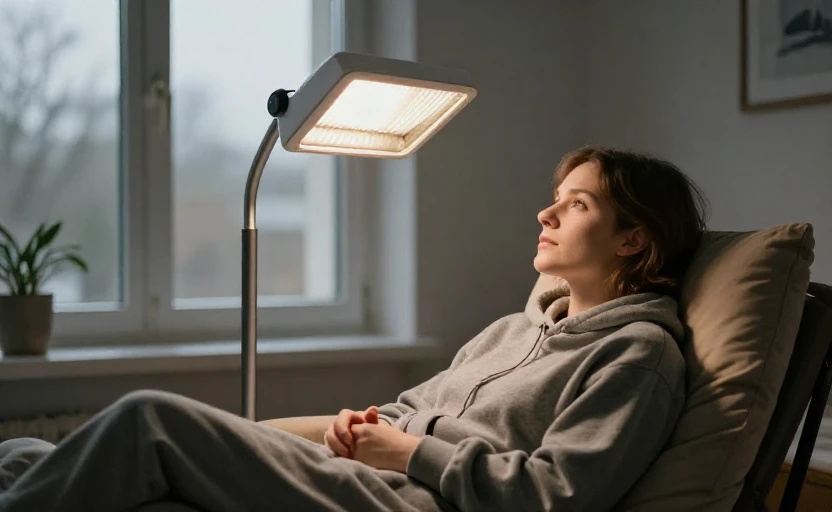
Since reduced light exposure is a key trigger, light therapy is a first-line, well-researched treatment. It involves sitting near a special light therapy box that emits bright, full-spectrum light (mimicking natural outdoor light) for about 20-30 minutes each morning. The goal is to trick your brain into thinking it’s a longer, sunnier day, which can help reset your circadian rhythm and boost serotonin.
Consistency is crucial—daily use from early fall through spring is typically recommended. It’s generally safe, but it’s wise to consult a doctor before starting, especially if you have eye conditions or bipolar disorder.
Move your body, mindfully
Regular physical activity is a potent mood booster. It can increase serotonin and endorphin levels and help regulate sleep. The challenge in winter is motivation. The key is to lower the barrier: a daily 20-minute brisk walk during the brightest part of the day combines exercise with light exposure. Indoor activities like yoga, dancing, or following an online workout can also make a significant difference. The focus is on movement you can sustain, not intensity.
Structure your day and your space
When energy is low, structure provides a supportive framework. Try to maintain consistent sleep and wake times, even on weekends. Make your environment brighter: open blinds, trim tree branches that block light, and sit closer to windows. Social connection, even when you don’t feel like it, can counter the urge to isolate. A regular coffee chat, a phone call, or a small gathering can provide a vital lift.
Mindfulness practices or cognitive-behavioral techniques tailored for SAD can help you notice and adjust the negative thought patterns that often accompany depression.
When to seek professional support
Self-management strategies are powerful, but they have their limits. If your symptoms feel overwhelming, persistently interfere with your work, relationships, or daily functioning, or if you have thoughts of self-harm, it is essential to seek professional help.
Start with your primary care physician or a mental health professional. They can provide an accurate diagnosis, rule out other medical conditions, and discuss a full range of treatment options. This may include:
- Psychotherapy: Particularly Cognitive Behavioral Therapy (CBT), which has a specific variant developed for SAD (CBT-SAD) that is highly effective.
- Medication: Antidepressant medications, such as selective serotonin reuptake inhibitors (SSRIs), may be recommended, often starting before symptoms typically begin each year.
- Combination Therapy: Often, a combination of light therapy, talk therapy, and sometimes medication is the most effective path forward.
Reaching out is a sign of strength and a direct step toward reclaiming your seasons. A professional can help you build a personalized, sustainable plan for resilience.