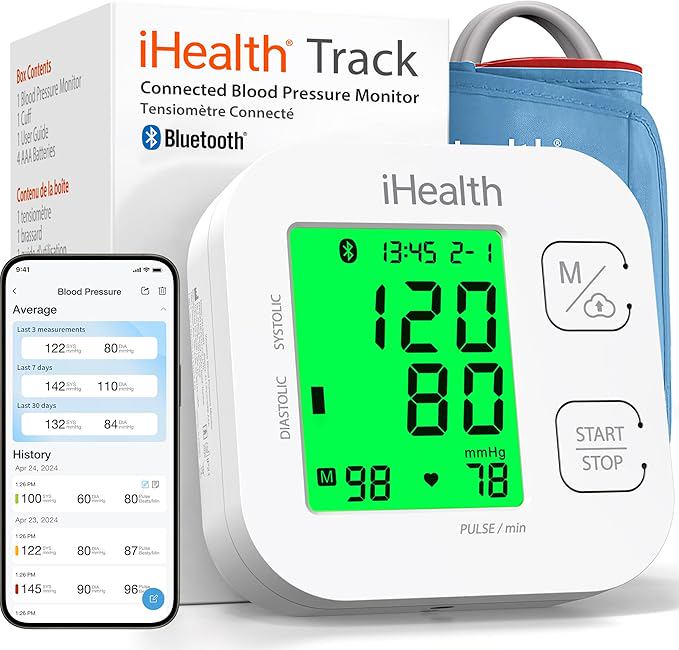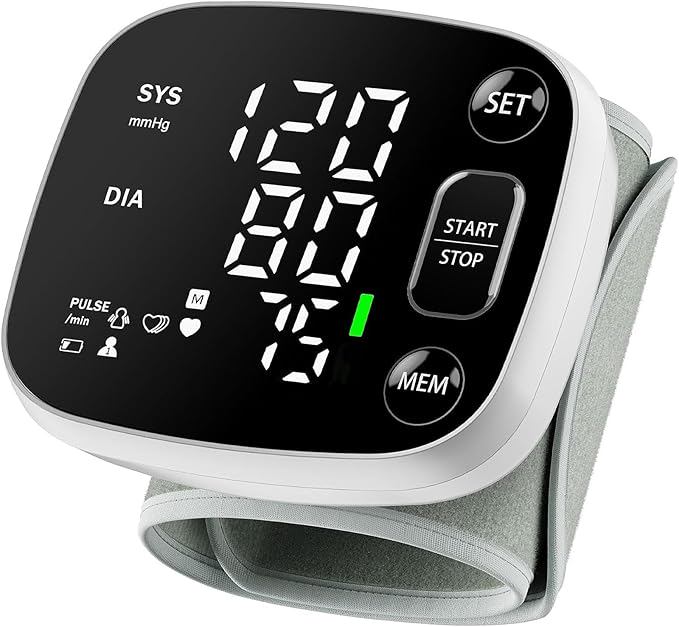
You’ve just had your blood pressure checked. The cuff deflates, and a nurse or a machine gives you two numbers, maybe saying something like “120 over 80.” You nod, but a quiet question lingers: what does that actually mean for me? Understanding those two figures is one of the most direct ways to engage with your cardiovascular health. It’s not about memorizing charts in a panic, but about grasping a vital sign—a snapshot of the force your heart generates with each beat.
This guide walks you through reading those numbers calmly and clearly. We’ll break down what systolic and diastolic pressure represent, how to interpret the standard categories, and what factors might cause a single reading to fluctuate. The goal isn’t self-diagnosis, but empowered awareness, giving you the context to have more informed conversations with your healthcare provider.
Breaking Down the Two Numbers
Every blood pressure reading consists of two numbers, written as one over the other, like a fraction. The top number is the systolic pressure. This measures the pressure in your arteries when your heart muscle contracts and pushes blood out into your body. Think of it as the peak force during a heartbeat.
The bottom number is the diastolic pressure. This measures the pressure in your arteries when your heart is at rest, between beats. It’s the baseline force that remains in your circulatory system.
Both numbers are important. They work together to give a full picture of how hard your heart is working and the state of your arteries.
The measurement is in millimeters of mercury (mm Hg), a standard unit of pressure. So, a reading of “120/80 mm Hg” tells you the systolic pressure is 120 and the diastolic is 80.
The Standard Blood Pressure Categories
Health organizations use established ranges to categorize readings. It’s helpful to view these as general zones rather than fixed labels, as your doctor will consider your overall health.
Normal Blood Pressure: Generally, a reading below 120/80 mm Hg falls into this range. This indicates your heart and arteries are functioning with a healthy level of force.
Elevated Blood Pressure: This is when systolic pressure is consistently between 120-129 mm Hg and diastolic pressure is less than 80 mm Hg. It’s a warning sign that you’re trending out of the normal range. Lifestyle adjustments are often the primary focus here to prevent progression.
Hypertension Stage 1: This is defined by systolic readings of 130-139 mm Hg or diastolic readings of 80-89 mm Hg. At this point, your doctor will likely recommend specific lifestyle changes and may discuss medication based on your risk factors for heart disease or stroke.
Hypertension Stage 2: This indicates systolic pressure of 140 mm Hg or higher, or diastolic pressure of 90 mm Hg or higher. More aggressive management, often including medication alongside lifestyle changes, is typically advised.
Hypertensive Crisis: A reading exceeding 180/120 mm Hg requires immediate medical attention, especially if accompanied by symptoms like chest pain, shortness of breath, or sudden confusion.
What a Single High Reading Doesn't Tell You
It’s crucial to remember that blood pressure is dynamic. A single elevated reading is not a diagnosis of hypertension. Many factors can cause a temporary spike.
- Recent activity: Walking up stairs, rushing to an appointment, or even a brisk conversation right before the test.
- Emotional state: Anxiety, stress, or feeling rushed during the measurement (known as “white coat syndrome”).
- Physical factors: A full bladder, recent caffeine or nicotine use, or talking during the reading.
This is why diagnosis requires multiple readings taken on different days, and often includes home monitoring. The pattern over time is far more significant than any one number.
How to Get an Accurate Reading
Whether at home or in a clinic, proper technique matters. For a reliable snapshot:
- Sit quietly in a chair with back support for at least five minutes before measuring.
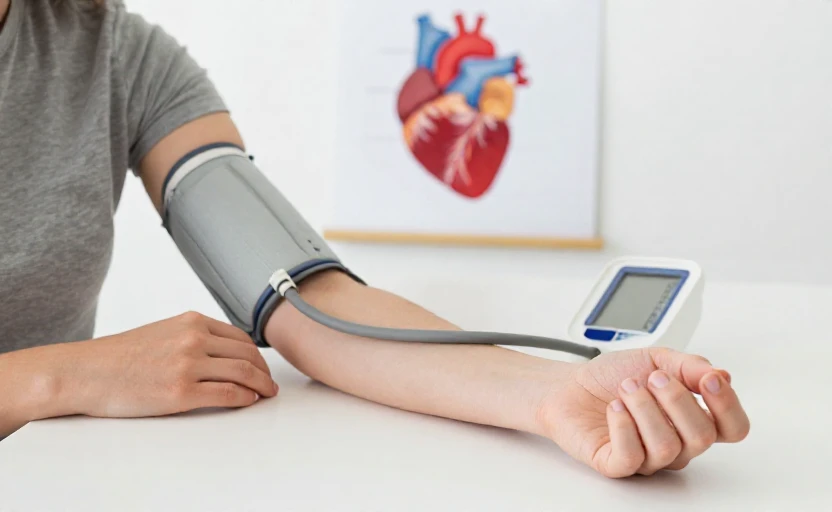
- Keep your feet flat on the floor and your arm supported on a table, with the cuff at heart level.
- Avoid caffeine, exercise, and smoking for at least 30 minutes prior.
- Use a validated, automated upper-arm cuff that fits properly.
- Take two or three readings, a minute apart, and note the average.
When to Talk to Your Doctor
Use your understanding of the numbers as a starting point for dialogue. Schedule a conversation if you notice a consistent pattern of readings in the elevated or hypertension stages. Bring your logged readings with you. Discuss any symptoms like persistent headaches, vision changes, or fatigue. Your doctor will help interpret the numbers in the context of your personal and family health history, cholesterol levels, and other risk factors to create a management plan that’s right for you.
Ultimately, reading your blood pressure numbers is a skill in tuning into your body’s signals. It’s a practical tool for awareness, guiding you toward the lifestyle choices and professional partnerships that support long-term heart health.