
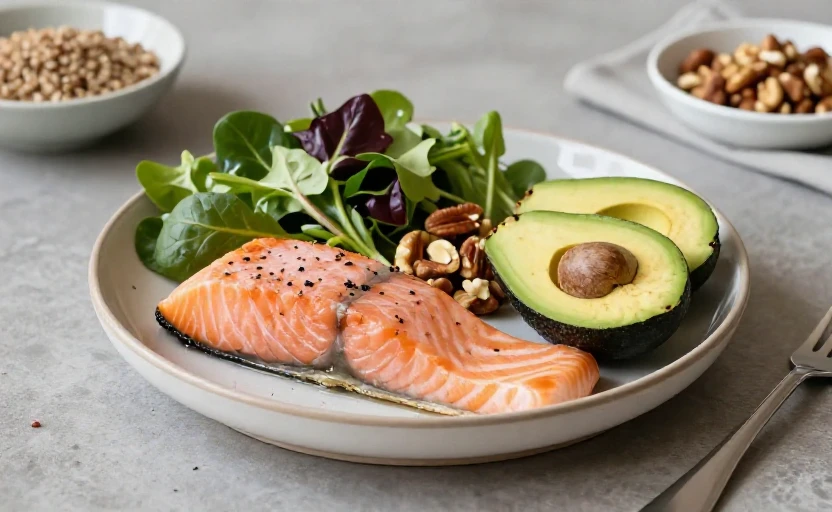
When anxiety feels like a constant hum in the background, it’s natural to look for ways to turn the volume down. While food isn’t a cure, the choices we make at the table can be a powerful form of daily support. What we eat, and when we eat it, can either steady the ship or add to the choppy waters, influencing everything from blood sugar stability to neurotransmitter production.
This guide explores how to build a plate that supports a calmer nervous system and how the rhythm of your meals can create a more resilient foundation for your day.
How Food Influences Anxiety
Think of your brain as the most demanding organ in your body. It requires a constant, high-quality supply of fuel and specific building blocks to manufacture the chemicals that regulate mood, focus, and a sense of calm. When that supply is erratic or lacking in key nutrients, the system can become more reactive to stress.
Two primary pathways connect your plate to your mental state. First, blood sugar swings. A rapid spike and subsequent crash in blood glucose can trigger physical symptoms—jitters, sweating, heart palpitations—that mimic or worsen anxiety. Second, your gut and brain are in constant conversation via the gut-brain axis. The gut produces a significant portion of the body’s serotonin, a key neurotransmitter for mood regulation. An inflamed or imbalanced gut can disrupt this communication, potentially heightening stress responses.
Food works on anxiety not by magic, but by biochemistry—providing the raw materials your nervous system needs to function smoothly.
Key Nutrients for a Calmer System
Focusing on whole, nutrient-dense foods is the cornerstone. Instead of chasing a single “miracle” food, aim for a variety that delivers these supportive compounds.
Magnesium
Often called nature’s relaxant, magnesium plays a role in hundreds of biochemical reactions, including those that regulate the nervous system and the stress response. It helps quiet excitatory neurotransmitters and supports muscle relaxation.
Look for it in: Leafy greens (spinach, Swiss chard), nuts and seeds (almonds, pumpkin seeds), legumes (black beans), avocados, and dark chocolate.
Omega-3 Fatty Acids
These essential fats, particularly EPA and DHA, are crucial for brain health. They have anti-inflammatory properties and help maintain the fluidity of brain cell membranes, which is vital for communication between neurons.
Look for them in: Fatty fish (salmon, mackerel, sardines), walnuts, flaxseeds, and chia seeds.
B Vitamins
The B vitamin family, especially B6, B9 (folate), and B12, are co-factors in the production of mood-regulating neurotransmitters like serotonin, dopamine, and GABA. A deficiency can impair this process.
Look for them in: Whole grains, eggs, leafy greens, legumes, nutritional yeast, and lean poultry.
Zinc
This mineral is involved in neurotransmitter function and the body’s neuroendocrine response to stress. Adequate zinc levels are associated with a balanced mood.
Look for it in: Pumpkin seeds, lentils, chickpeas, cashews, and shellfish.
Probiotics and Fiber
This duo supports the gut-brain axis. Probiotics (beneficial bacteria) help maintain a healthy gut environment, while fiber (especially prebiotic fiber) acts as food for those good bacteria. A thriving gut microbiome is linked to better stress resilience.
Look for probiotics in: Yogurt, kefir, sauerkraut, kimchi, and other fermented foods. Find fiber in: Fruits, vegetables, whole grains, beans, and nuts.
The Power of Meal Timing
When you eat can be just as supportive as what you eat. An erratic eating pattern is a common trigger for blood sugar instability, which can manifest as increased irritability, poor concentration, and anxiety.
The goal isn’t rigid scheduling, but consistent rhythm. Try to eat meals and snacks at roughly the same times each day. This trains your body to expect fuel, helping to prevent drastic dips in blood sugar that can trigger a stress response.
Starting your day with a balanced breakfast that includes protein, healthy fat, and complex carbohydrates is one of the most effective steps. It breaks the overnight fast and sets a stable tone for the hours ahead. Skipping it often leads to mid-morning crashes and cravings.
For many, a large, heavy meal late in the evening can disrupt sleep, and poor sleep is a well-known amplifier of anxiety. If dinner is your largest meal, try to finish it at least two to three hours before bedtime to allow for digestion.
Building an Anxiety-Supportive Plate
You don’t need a complicated recipe. Use this simple framework to assemble meals that provide steady energy and key nutrients.
- Anchor with Complex Carbohydrates: Like oats, quinoa, sweet potato, or whole-grain bread. They provide a slower, more sustained release of glucose.
- Include a Quality Protein: Such as lentils, chickpeas, fish, eggs, or tofu. Protein further slows digestion and provides amino acids, the building blocks for neurotransmitters.
- Add Healthy Fats: Like avocado, olive oil, nuts, or seeds. Fat promotes satiety and is essential for absorbing fat-soluble vitamins and supporting brain structure.
- Fill Half Your Plate with Color: Aim for a variety of vegetables and some fruit. This ensures a broad intake of vitamins, minerals, and antioxidants that combat oxidative stress.
Foods and Habits to Approach with Caution
Mindfulness is key. Some common dietary elements can be subtle anxiety triggers for sensitive individuals.
Caffeine: For some, it can increase heart rate and feelings of nervousness or agitation. Notice how you feel after your morning coffee or tea. If you’re sensitive, try tapering down, switching to half-caff, or avoiding it after midday.
Refined Sugar and Processed Carbs: Found in sugary drinks, pastries, and white bread, these cause rapid blood sugar spikes and crashes, potentially exacerbating anxiety symptoms.
Alcohol: While it may seem relaxing initially, alcohol is a depressant that disrupts sleep architecture and can lead to rebound anxiety as its effects wear off.
The most important tool you have is your own awareness. Keep a simple log for a few days: note what and when you eat, and how you feel an hour or two later. You might discover personal patterns—perhaps that mid-afternoon candy bar leads to a jittery feeling, or that a skipped lunch makes you feel frayed by 3 p.m.
Viewing food as one part of your anxiety-support toolkit can be empowering. It’s a daily practice of nourishing your nervous system, building resilience from the inside out. Pair these nutritional strategies with other supportive habits—like movement, time in nature, and connection—for a holistic approach to finding your calm.