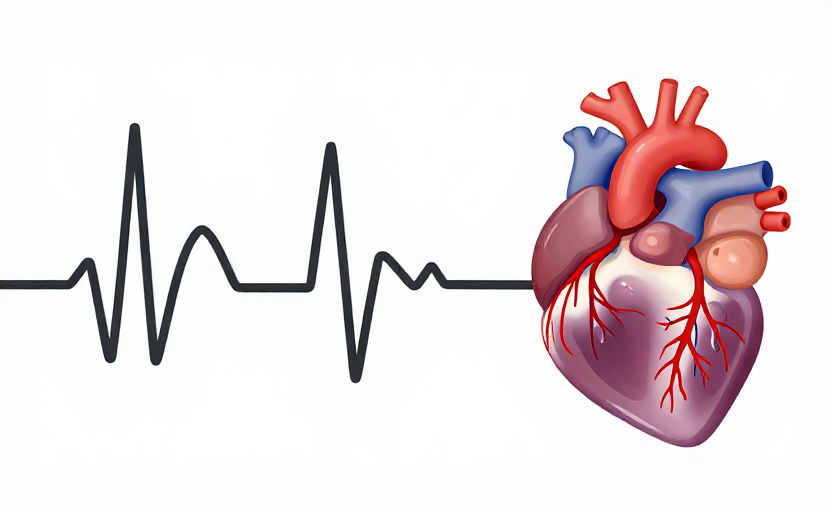
You might think a healthy heart beats with the steady, unwavering rhythm of a metronome. But the opposite is true. A healthy heart is constantly varying the time between beats, speeding up and slowing down in tiny, imperceptible fractions of a second. This phenomenon is called heart rate variability, or HRV, and it’s become a popular metric on fitness trackers and wellness apps. But what does that number actually tell you about your health?
At its core, HRV is a window into your autonomic nervous system—the part of your nervous system that runs on autopilot, controlling things like your heartbeat, digestion, and breathing. It reflects the delicate, moment-to-moment tug-of-war between the “gas pedal” (the sympathetic system, which prepares you for action) and the “brake pedal” (the parasympathetic system, which promotes rest and recovery). A higher HRV generally indicates a more resilient, adaptable system. A lower HRV can suggest your body is under more strain.
HRV Is Not Your Heart Rate
It’s easy to confuse the two, but they measure different things. Your heart rate is the number of times your heart beats per minute. HRV is the variation in the *milliseconds* between each of those beats. Two people could have an identical resting heart rate of 60 beats per minute, but one could have high variability (e.g., intervals of 950ms, 1100ms, 900ms) and the other low variability (e.g., intervals of 1000ms, 1005ms, 995ms). That subtle difference speaks volumes about nervous system balance.
What Does a Higher or Lower HRV Mean?
Think of HRV as a biomarker of your body’s capacity to handle stress and recover. A higher HRV is typically associated with better cardiovascular fitness, greater resilience to stress, and a healthier aging process. It suggests your body can efficiently switch between expending energy and conserving it.
A lower HRV is often a sign that the sympathetic “fight-or-flight” system is more dominant. This can be a normal, temporary response to things like an intense workout, a stressful work deadline, poor sleep, or even dehydration. However, chronically low HRV has been linked in research to a higher risk of future cardiovascular issues and can be a sign of overall system overload.
The trend matters more than any single number. Don’t fixate on a daily reading.
What Influences Your HRV?
Your HRV is influenced by a complex mix of factors, which is why it’s such a personal metric.
- Fitness Level: Regular aerobic exercise like brisk walking, cycling, or swimming generally improves HRV over time by enhancing nervous system efficiency.
- Sleep Quality: Deep, restorative sleep is crucial for recovery and parasympathetic activity. A night of poor sleep often leads to a noticeable dip in next-day HRV.
- Stress and Mental Load: Chronic psychological stress, anxiety, and overwhelm can keep your nervous system in a heightened state, lowering HRV.
- Hydration and Nutrition: Dehydration strains the system. Diets high in processed foods and sugar may negatively impact HRV, while balanced diets rich in omega-3s and antioxidants can support it.
- Alcohol and Stimulants: Alcohol consumption typically lowers HRV for many hours. Caffeine can cause a temporary dip or spike, depending on the individual.
- Illness and Infection: Your body diverts resources to fight off bugs, which usually tanks your HRV. This is why a sudden, sustained drop can be an early sign you’re getting sick.
How to Measure HRV (And How Not To)
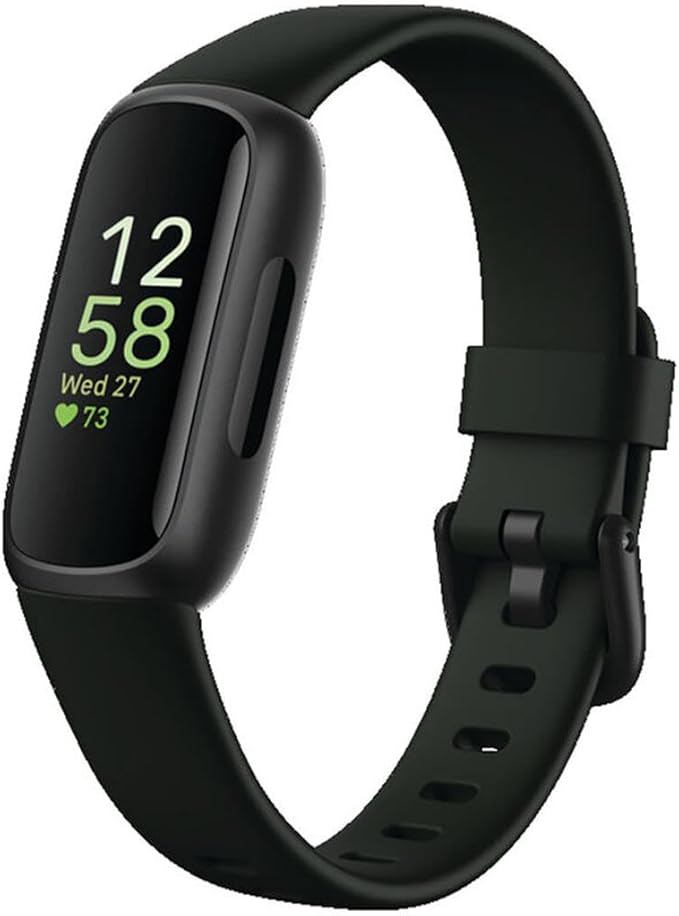
Clinical-grade HRV measurement uses an electrocardiogram (ECG) to precisely capture the timing between R-waves (RR intervals). For everyday wellness tracking, consumer devices use photoplethysmography (PPG)—the green light on the back of a smartwatch or a chest strap that detects blood flow pulses.
Chest straps are generally considered more accurate for HRV as they capture electrical signals similar to an ECG. Wrist-based optical sensors are convenient but can be thrown off by motion, skin temperature, and how tightly the band is worn.
For meaningful data, consistency is key. Most experts recommend taking a reading at the same time each day, typically first thing in the morning after waking up, while still lying in bed. This provides a controlled baseline. Taking a reading while stressed at your desk or after a coffee won’t give you a comparable baseline number.
How to Use Your HRV Data Wisely
HRV is a tool for self-awareness, not self-diagnosis. Here’s how to integrate it into your wellness practice without becoming obsessed.
Focus on Trends, Not Daily Numbers
A single low reading is meaningless. Look at your weekly or monthly average. Is your baseline gradually improving? Did it sharply drop and stay low? The trend tells the real story.
Let It Guide Your Choices
If you see a consistent dip, use it as a prompt to check in with yourself. Ask: Have I been sleeping poorly? Am I overtraining? Is work unusually stressful? It can help you decide whether to push through a hard workout or opt for a gentle walk and an early night.
Know Its Limits
HRV is one data point among many. How you feel—your energy, mood, and overall sense of well-being—is paramount. Never ignore how you feel in favor of what a device says. Furthermore, HRV is highly individual. Comparing your number to someone else’s is pointless.
Ultimately, heart rate variability offers a fascinating, quantifiable glimpse into your body’s internal balance. By paying attention to its trends, you can learn to better recognize your own signs of strain and recovery, fostering a more intuitive and responsive approach to your overall health. It’s not a grade or a judgment, but a conversation with your nervous system.