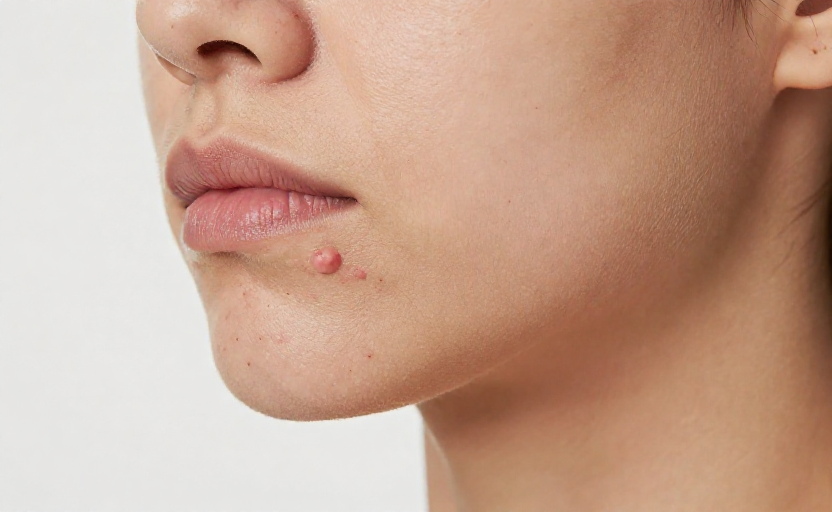
Acne is one of the most visible and frustrating symptoms of polycystic ovary syndrome (PCOS). While breakouts are common enough in general, the acne linked to PCOS has a distinct pattern, a stubborn quality, and a root cause tied directly to hormonal imbalance. Understanding why this happens is the first step toward finding relief that actually works.
For many women, PCOS acne isn't a few pimples before a period. It's a persistent, inflamed breakout that appears along the jawline, chin, and neck—the classic “hormonal” zones. And because it's driven by internal signals rather than surface clogging, standard over-the-counter acne treatments often fall short. Let's break down exactly what's going on and what approaches are worth considering.
What is PCOS and how does it cause acne?
PCOS is a condition that affects how the ovaries function, and it's tied closely to how the body handles insulin and hormones. One of the hallmark features of PCOS is a higher-than-normal level of androgens—sometimes called “male” hormones, though everyone produces them. In PCOS, the ovaries produce excess androgens, particularly testosterone.
This excess testosterone signals the sebaceous glands in your skin to go into overdrive. They produce more sebum, the oily substance that usually keeps skin moisturized. When too much sebum mixes with dead skin cells and bacteria, it clogs pores. That combination creates the perfect environment for inflamed, cystic acne—the deep, painful bumps that don't have a visible head and can take weeks to heal.
Compounding the problem, many people with PCOS also have insulin resistance. High insulin levels can trigger the ovaries to produce even more androgens, creating a feedback loop that fuels breakouts.
Where does PCOS acne usually appear?
Unlike the acne that shows up across the forehead, nose, and cheeks during adolescence, PCOS acne has a signature pattern. The most common locations are:
- Jawline and chin – This is the most telling area. Deep, tender cysts along the lower face are a classic sign of hormonal acne.
- Neck – Breakouts can extend down the jawline onto the neck, sometimes even to the upper back or chest.
- Back and shoulders – Androgen-driven sebum production doesn't stop at the face. Many women with PCOS report persistent back acne that doesn't respond to body washes.
If you notice this pattern, especially if it comes with other PCOS symptoms like irregular periods, excess facial hair, or thinning scalp hair, it's worth discussing with a healthcare provider.
Is it just acne, or is it PCOS acne?
Not every breakout is PCOS-related. But there are clues that point toward a hormonal driver. PCOS acne tends to be:
- Cystic and deep – These are not whiteheads or blackheads; they are large, red, painful bumps under the skin.
- Persistent – It may not respond well to typical acne washes or spot treatments containing salicylic acid or benzoyl peroxide.
- Cyclical but not cleanly cyclical – It might flare before a missed period, but in PCOS, periods are often irregular, so the timing can be unpredictable.
- Associated with other signs of high androgens – Hirsutism (coarse hair on the chin, chest, or back), oily skin, and scalp hair shedding often accompany the acne.
A doctor or dermatologist can confirm whether your acne is linked to PCOS by evaluating your symptom history and running labs for free testosterone, DHEA-S, and insulin markers.
What actually helps with PCOS acne?
Because the root cause is hormonal, treating PCOS acne often requires a two-pronged approach: managing the underlying hormone imbalance and calming the skin directly. No single solution works for everyone, but these categories are backed by solid clinical evidence.
Lifestyle measures that address the root causes
Blood sugar balance. Since high insulin drives androgen production, stabilizing blood sugar can directly reduce breakouts. That means eating regular meals with plenty of fiber, protein, and healthy fats, and limiting refined carbohydrates and sugar.
Anti-inflammatory diet. Some research suggests that a low-glycemic or Mediterranean-style diet can improve both PCOS symptoms and acne. Reducing dairy may help some people, though evidence isn't universal.
Stress management. Cortisol, the stress hormone, can increase androgen levels. Quality sleep, daily movement (not excessive), and practices like yoga or meditation may help lower the hormonal load on your skin.
Topical approaches that make sense
Gentle, non-comedogenic skincare is key. Heavy creams or oils can worsen breakouts.
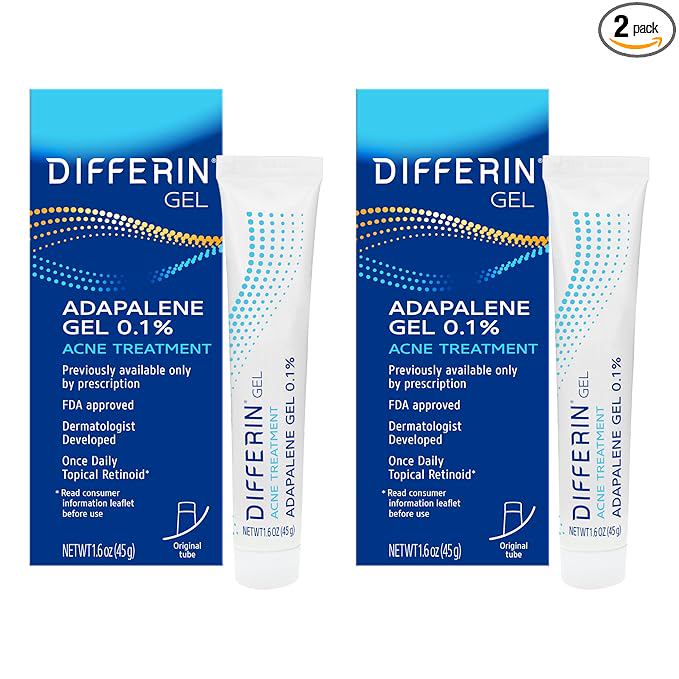
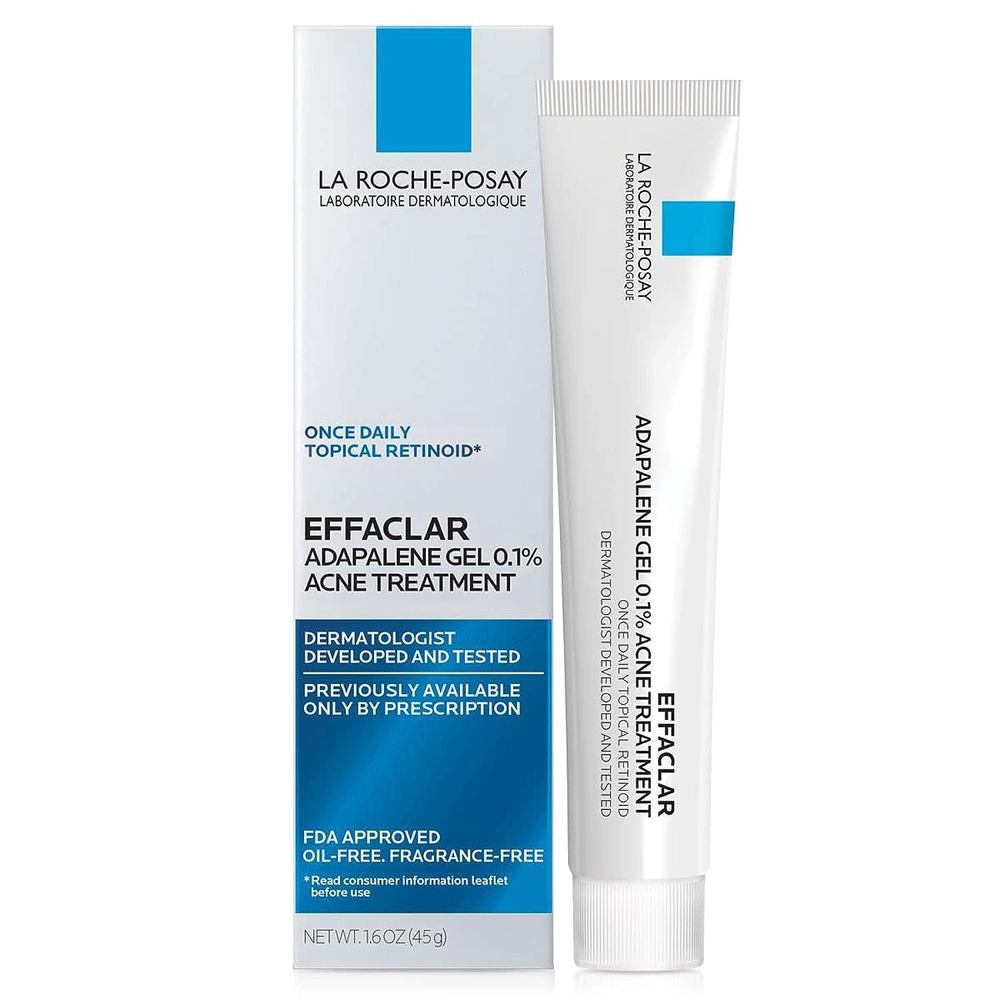
- Retinoids (like adapalene or prescription tretinoin) help speed skin cell turnover and prevent pores from clogging.
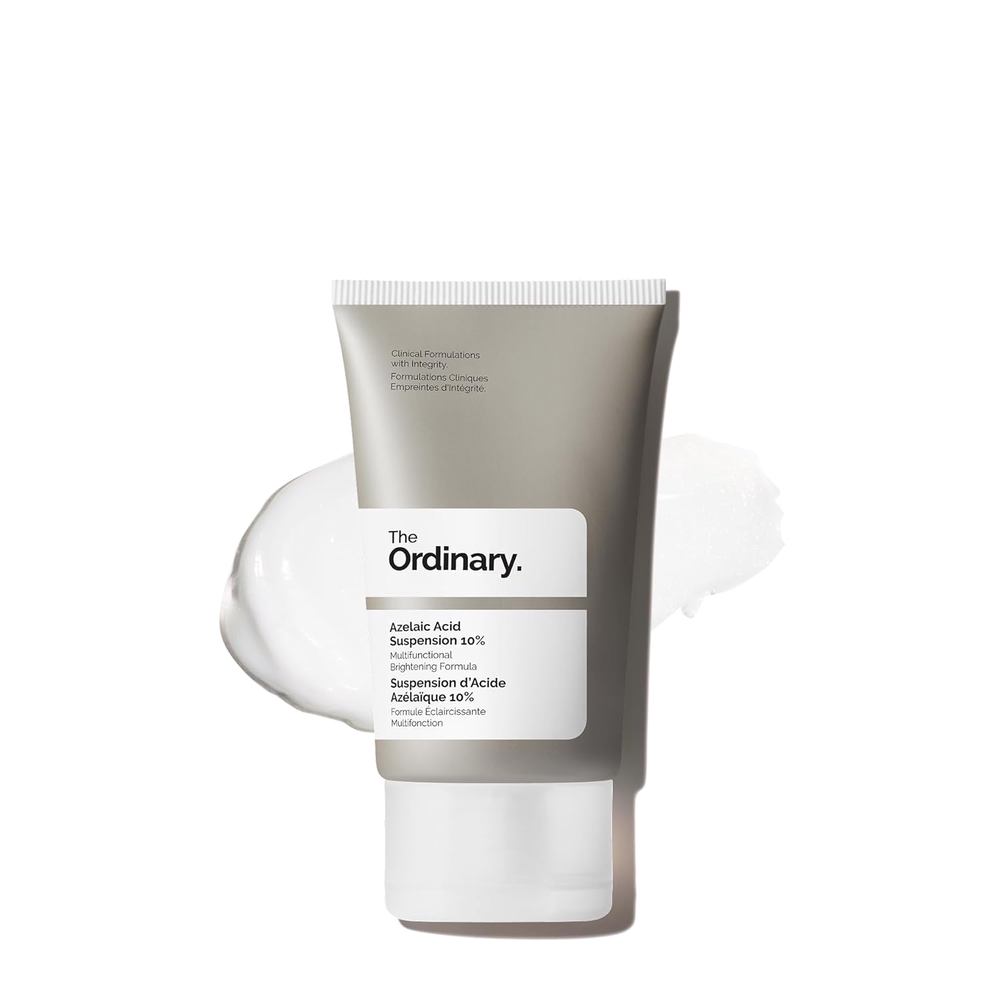
- Azelaic acid is a good option for sensitive skin because it reduces inflammation and helps clear pores without irritation.
- Benzoyl peroxide can be used as a short-contact wash to control bacteria.
Avoid over-scrubbing or using harsh drying agents, which can damage the skin barrier and actually worsen acne.
Medical treatments a doctor might consider
A healthcare provider may suggest:
- Spironolactone, a medication that blocks the effect of androgens on the sebaceous glands. It's not for everyone, but for many women with PCOS acne, it's transformative.
- Combination birth control pills, which lower free testosterone by increasing sex-hormone-binding globulin.
- Metformin, if insulin resistance is a significant driver.
A note: Always consult a healthcare professional before starting any new medication or supplement. The above options are common in PCOS management but require a prescription and proper monitoring.
How long does it take for PCOS acne to improve?
Patience is essential. While some over-the-counter products may show mild improvement in four to six weeks, true hormonal changes take longer. If you start a medication like spironolactone or a birth control pill, you may not see full results for three to six months. Even dietary changes can take several cycles to show a clear effect on the skin.
It's also normal to have breakouts during the process of adjusting a new treatment. The key is consistency and working with a provider to tweak your plan over time.
Can PCOS acne go away completely?
For many women, PCOS acne can be kept under excellent control—sometimes nearly clear—with the right combination of lifestyle habits, skincare, and medical management. However, because PCOS is a chronic condition, acne can return if treatment is stopped or if something triggers a major hormone shift (like rapid weight gain or severe stress). The goal is usually ongoing management rather than a permanent “cure.”
That said, many people with PCOS find that their acne becomes much less severe in their late 20s and 30s, especially if they find an effective maintenance routine. Scarring from cystic acne can also be minimized with early, consistent care.
If your jawline and chin are a constant source of breakouts, and you've tried every cleanser on the drugstore shelf without relief, it's worth looking deeper. PCOS acne is not your fault, and it is not a sign of poor hygiene. It's a symptom of an endocrine condition that deserves a thoughtful, targeted plan—not another harsh scrub.