Panic attacks can arrive without warning, a sudden storm of intense fear that feels both overwhelming and isolating. You’re not losing your mind, and you’re not in physical danger, even though every signal in your body screams otherwise. Understanding what’s happening—the symptoms, the common causes, and the immediate steps you can take—is the first, most powerful move toward regaining your footing.
This guide walks you through the practical reality of panic attacks. We’ll demystify the physical and emotional sensations, explore the underlying triggers, and equip you with grounded, actionable techniques to navigate an attack when it happens and reduce its power over time.
What Does a Panic Attack Actually Feel Like?
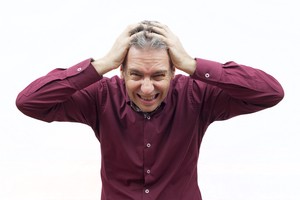
The experience is deeply personal, but it typically involves a rapid, terrifying crescendo of physical and psychological symptoms that peak within minutes. It’s your body’s “fight-or-flight” system firing at full alarm, but in the absence of any real threat.
Physically, you might feel your heart pounding or racing, to the point you fear a heart attack. Chest pain or tightness is common. You may sweat, tremble, feel short of breath or like you’re choking. Dizziness, nausea, and chills or hot flashes can sweep over you. It’s a full-body emergency alert.
The hallmark of a panic attack is the intense fear of losing control, going crazy, or dying, even though you are objectively safe.
Mentally, a sense of unreality or detachment from yourself (derealization or depersonalization) can make the world feel dreamlike or distant. The overwhelming urge is to escape the situation you’re in, whatever it may be.
What Triggers a Panic Attack?
Panic attacks can seem to come “out of the blue,” but they often occur against a backdrop of accumulated stress or specific vulnerabilities. They are not a sign of weakness, but a signal that your nervous system is overloaded.
Common catalysts include major life transitions, chronic work or relationship stress, or a history of traumatic events. For some, specific situations—like crowded spaces, driving, or being far from home—can become triggers. There’s also a biological component; a family history of anxiety or panic can increase susceptibility.
It’s crucial to understand that the fear of having another attack can itself become a potent trigger, creating a cycle of anxiety about anxiety.
Immediate Coping Strategies During an Attack
When panic rises, your goal isn’t to fight it—that often intensifies the feeling—but to gently guide your nervous system back toward safety. These techniques are anchors you can reach for in the moment.
Ground Yourself in Your Senses
This is the most reliable first step. It pulls your focus away from catastrophic thoughts and into the present physical reality. Try the 5-4-3-2-1 method:
- Name five things you can see around you.
- Identify four things you can physically feel (the fabric of your shirt, the floor under your feet).
- Acknowledge three things you can hear.
- Notice two things you can smell.
- Recognize one thing you can taste.
Slow Your Breathing
Rapid, shallow breathing (hyperventilation) worsens symptoms like dizziness and chest tightness. Don’t take deep breaths; instead, focus on making your exhales longer than your inhales. Try breathing in slowly for a count of four, holding gently for two, and exhaling smoothly for a count of six.
Acknowledge and Ride the Wave
Tell yourself, “This is a panic attack. It is frightening, but it is not dangerous. It will pass.” Remind yourself that the sensations, however intense, are temporary. The peak of a panic attack usually subsides within 10 to 15 minutes. Resisting it often prolongs the experience; allowing it to happen, while using your coping tools, can help it move through you more quickly.
Building Long-Term Resilience
Managing panic isn’t just about in-the-moment tactics. It’s about creating a foundation of well-being that makes your nervous system less reactive.
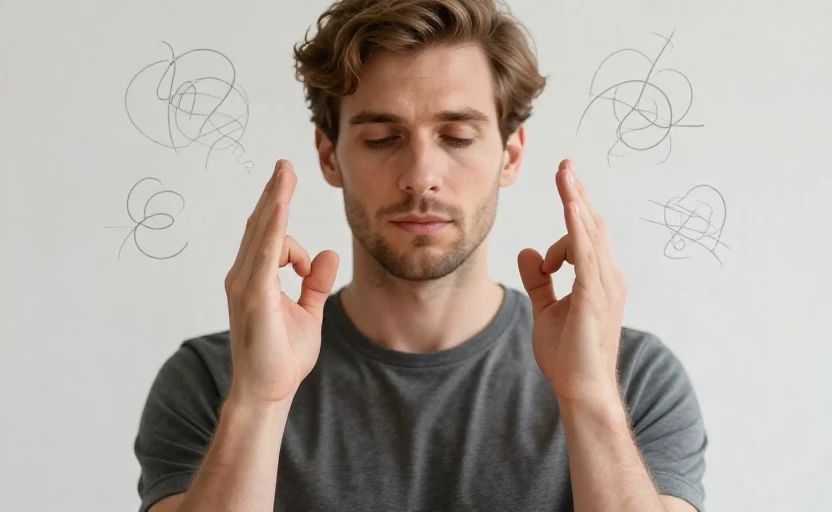
Regular practice of mindfulness or meditation can train your brain to observe anxious thoughts without being hijacked by them. Consistent, moderate physical activity is one of the most effective ways to regulate stress hormones and improve mood. Prioritizing sleep and balanced nutrition also supports a stable emotional baseline.
If panic attacks are recurring and disrupting your life, consulting a mental health professional is a sign of strength, not defeat. Cognitive Behavioral Therapy (CBT) is particularly effective for panic disorder, helping you identify and change the thought patterns that fuel the cycle.
Remember, a panic attack is a misfire of a system designed to protect you. By learning its patterns and having a plan, you reclaim a sense of agency. The goal isn’t a life completely free of anxiety—that’s neither possible nor productive—but the confidence that you can handle the waves when they come.