If your period doesn’t show up on a predictable schedule, you’re far from alone. Many people experience cycles that feel more like a surprise guest than a monthly visitor. While occasional variation is normal, a persistent pattern of irregularity can be a signal from your body—and one of the most common reasons behind it is a condition called Polycystic Ovary Syndrome, or PCOS.
Navigating this can feel confusing and isolating. This guide walks through what irregular periods really mean in the context of PCOS, how doctors connect the dots to reach a diagnosis, and what practical steps come next. It’s not about self-diagnosis, but about understanding the process so you can have more informed conversations about your health.
What does an "irregular period" actually mean?
First, let’s define our terms. A regular menstrual cycle typically falls between 21 and 35 days, counting from the first day of one period to the first day of the next. While the exact length varies from person to person, it’s usually consistent for you, give or take a few days.
Irregularity, in a medical sense, usually refers to one of a few clear patterns:
- Cycles that are consistently shorter than 21 days or longer than 35 days.
- Missing your period for three or more consecutive months (this is called amenorrhea).
- Having fewer than eight periods in a year.
- Extremely unpredictable cycle lengths, with wide variation from month to month.
Occasional stress, travel, or illness can cause a one-off change. The kind of irregularity that points toward something like PCOS is persistent, often starting around puberty and continuing.
How are irregular periods linked to PCOS?
PCOS is a hormonal condition that affects how the ovaries work. The name can be misleading—it’s not primarily about cysts. The core issue is a hormonal imbalance, often involving higher levels of androgens (sometimes called "male hormones," though everyone has them) and insulin resistance.
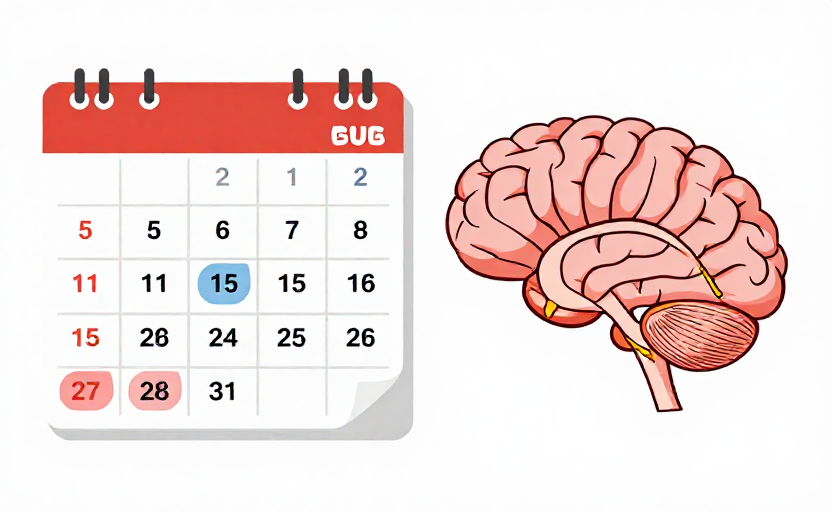
This imbalance disrupts the finely tuned communication between the brain and the ovaries. Normally, the brain signals the ovaries to mature and release an egg each month (ovulation). The period arrives about two weeks after ovulation if pregnancy doesn’t occur.
In PCOS, this ovulation process is often stalled or doesn’t happen at all. Without ovulation, the uterine lining doesn’t get the signal to shed regularly. It may build up for months and then come away in a very heavy, prolonged period, or it may not shed at all, leading to missed periods.
Think of it less as a calendar problem and more as a missed ovulation signal. The irregular bleeding is a symptom of that deeper hormonal process.
The PCOS diagnosis process: Putting the puzzle together
There is no single test for PCOS. Instead, doctors use a set of criteria, often called the Rotterdam criteria. A diagnosis typically requires you to meet at least two of the following three conditions:
1. Irregular or absent ovulation
This is most often evidenced by the history of irregular or absent periods we’ve discussed. Your doctor will ask detailed questions about your cycle history.
2. Signs of elevated androgens
This can be assessed in two ways. Clinically, through symptoms like persistent acne, hirsutism (excess hair growth on the face, chest, or back), or male-pattern hair loss. Biochemically, through a blood test that measures hormone levels like testosterone. It’s crucial to have these tests done at a reliable lab and interpreted by a doctor, as levels can fluctuate.
3. Polycystic ovaries on ultrasound
An ultrasound may show ovaries with many small follicles (often called "cysts," though they are immature egg follicles). It’s important to know that this finding alone doesn’t mean you have PCOS—many people without the condition can have polycystic-appearing ovaries. Conversely, you can have PCOS with normal-looking ovaries on ultrasound. This is why meeting two of the three criteria is key.
The diagnostic process is also one of exclusion. Your doctor will likely run other tests to rule out conditions that can mimic PCOS, such as thyroid disorders or problems with the pituitary or adrenal glands.
What to expect when talking to a doctor
Coming prepared can make this conversation more productive. Consider tracking your cycles for a few months beforehand, noting the start and end dates. Jot down any other symptoms you’ve noticed, even if they seem unrelated—like skin changes, hair growth, mood shifts, or changes in weight. Be ready to discuss your full health history.
A good evaluation will include:
- A thorough discussion of your menstrual and symptom history.
- A physical exam.
- Blood work to check hormones, blood sugar, and cholesterol levels.
- Possibly a pelvic ultrasound.
Don’t hesitate to ask questions. “What else could this be?” “Which of the diagnostic criteria do I meet?” “What are the next steps for management?” are all completely reasonable.
Life after a diagnosis: Management is the focus
A PCOS diagnosis isn’t a life sentence of symptoms; it’s a starting point for management. Since PCOS manifests differently in everyone, management is highly individualized. The core goals are often to address insulin resistance, restore hormonal balance, and manage specific symptoms.
Common foundational approaches include:
Nutrition and movement: There’s no one “PCOS diet,” but many find that a balanced, whole-foods approach that manages blood sugar spikes (often lower in refined carbs and sugars) can significantly improve energy, cravings, and hormonal symptoms. Regular physical activity, even gentle walking, improves insulin sensitivity and mood.
Symptom-specific support: A dermatologist can help with acne. Electrolysis or laser treatment are options for unwanted hair. A mental health professional can provide support for the anxiety or depression that sometimes accompanies chronic conditions.
Medical management: Depending on your goals (like regulating cycles, improving metabolic health, or trying to conceive), a doctor might discuss options like hormonal birth control to regulate periods, or medications like metformin to improve insulin sensitivity.
The path with PCOS is often about steady, sustainable habits rather than quick fixes. It’s about learning what your unique body needs and building a healthcare team that supports you in that process.