Staying hydrated is about more than chugging water. Your body gets a significant portion of its fluids from food, and the right meal plan can make hydration effortless. A 7-day meal plan for better hydration focuses on water-rich fruits, vegetables, and smart pairing strategies that keep your electrolyte balance steady. This approach supports energy levels, digestion, skin health, and even mental clarity without forcing you to track every sip.
The goal isn't to replace water—it's to complement it. By structuring your week around hydrating whole foods, you can meet your fluid needs naturally while enjoying satisfying, flavorful meals. Here’s how to build a practical, flexible plan that works for real life.
Why food-based hydration matters
Solid food can contribute 20-30% of your total daily water intake. Many fruits and vegetables contain over 90% water, plus essential minerals like potassium and magnesium that help your body absorb and use fluids efficiently. A meal plan built around these ingredients supports consistent hydration throughout the day, avoiding the peaks and dips of drinking large volumes at once.
People who struggle to drink enough plain water often find it easier to stay hydrated through meals. Soups, smoothies, salads, and stews are natural delivery systems for fluids and electrolytes. Building your weekly menu around these formats makes hydration a byproduct of eating well, not an extra chore.
The foundation of a hydrating meal plan
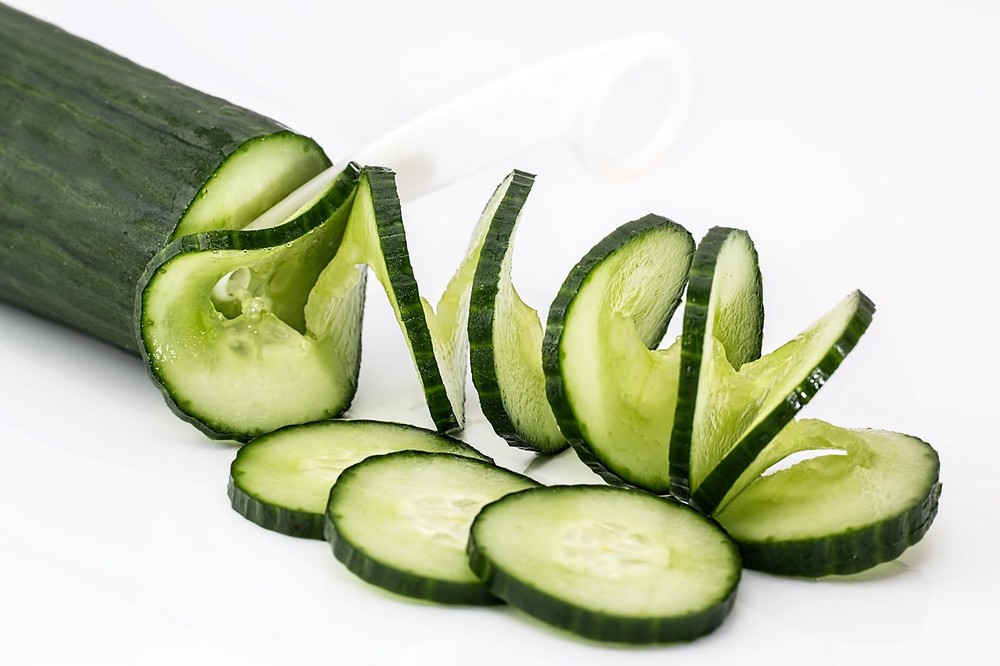
Start with a core list of high-water-content ingredients. Cucumbers, tomatoes, celery, lettuce, zucchini, bell peppers, watermelon, strawberries, cantaloupe, oranges, grapefruit, and leafy greens all have water content above 90%. Add moderate-water foods like apples, pears, carrots, cooked grains, beans, yogurt, and milk. Pair them with lean proteins and healthy fats to create balanced meals that sustain energy and hydration simultaneously.
A well-hydrating plate looks like this: a generous serving of vegetables or fruit, a moderate portion of protein, a whole grain or starchy vegetable, and a source of healthy fat. Include a broth-based soup or a smoothie at least once a day, and aim for at least two servings of fresh fruit daily. The water content in these foods adds up to about 4-6 cups of fluid per day, depending on portion sizes.
Sample 7-day hydration meal plan
These are templates, not rigid prescriptions. Swap similar foods based on what you have available, and adjust portion sizes to suit your hunger and activity level.
Monday
Breakfast: Smoothie with spinach, frozen mango, plain yogurt, and coconut water. Lunch: Chicken and cucumber salad with avocado dressing. Snack: Sliced bell peppers with hummus. Dinner: Vegetable broth soup with white beans, kale, and orzo.
Tuesday
Breakfast: Greek yogurt parfait with watermelon chunks and fresh mint. Lunch: Tom kha gai-style soup (coconut milk, chicken, mushrooms, zucchini) over brown rice. Snack: A pear. Dinner: Grilled fish tacos with cabbage slaw and salsa verde on corn tortillas.
Wednesday
Breakfast: Overnight oats made with milk, chia seeds, and shredded apple. Lunch: Large salad with romaine, cherry tomatoes, cucumber, feta, olives, and grilled shrimp. Snack: Frozen grapes. Dinner: Lentil and vegetable stew with carrots, celery, and spinach.
Thursday
Breakfast: Scrambled eggs with sautéed bell peppers, onion, and a side of melon. Lunch: Chickpea and tomato soup with a whole-grain roll. Snack: Celery sticks with almond butter. Dinner: Stir-fried tofu with bok choy, snap peas, and broccoli in a ginger-soy sauce over quinoa.
Friday
Breakfast: Smoothie bowl with frozen berries, half a banana, kefir, and a tablespoon of flaxseed. Lunch: Turkey and roasted vegetable lettuce wraps with sliced peaches on the side. Snack: A handful of cherry tomatoes. Dinner: Mediterranean baked salmon with zucchini, tomatoes, and red onion over couscous.
Saturday
Breakfast: Two poached eggs on half an avocado with a side of sliced orange. Lunch: Cold soba noodle salad with shredded cucumber, edamame, and sesame ginger dressing. Snack: A cup of cold gazpacho. Dinner: Grilled chicken breast with a large side of roasted eggplant, bell peppers, and fennel.
Sunday
Breakfast: Ricotta toast with sliced strawberries and a drizzle of honey. Lunch: Leftover stew or soup from the week. Snack: Sliced cantaloupe. Dinner: Mason jar salads with arugula, watercress, shredded chicken, mandarin segments, and a lemon-tahini dressing.
Tips to boost hydration without extra effort
- Start meals with a hydrating first course. A small bowl of clear soup, a green salad, or fresh fruit before the main dish adds 1–2 cups of water to your meal.
- Use herbs and citrus to enhance flavor. Mint, basil, cilantro, lemon, lime, and ginger encourage you to eat more vegetables and drink more water alongside them.
- Pair high-sodium meals with potassium-rich sides. Processed foods or heavy restaurant meals can throw off electrolyte balance. Balance them with a baked potato, a banana, or a glass of coconut water.
- Keep prepped hydrating snacks visible. A bowl of washed grapes on the counter or sliced cucumbers in the fridge makes it easy to grab water-rich bites throughout the day.
How to adjust the plan for your needs
If you exercise heavily or live in a hot climate, increase the liquid content of meals—add an extra serving of soup, blend fruit into your oatmeal, or drink a glass of water with every snack. People with certain health conditions, like kidney issues or heart failure, may need to limit fluid intake. Always check with your healthcare provider before making significant changes to your diet if you have a medical condition.
The 7-day plan is a starting point for building lifelong habits. Once you get comfortable with the pattern, you can seasonally swap ingredients—use more citrus and root vegetables in winter, more melons and berries in summer. Pay attention to how your body feels: better energy, fewer headaches, and less dry skin are all signs your hydration strategy is working.
A practical tip: include at least one hydrating food at every meal and snack. Over a week, the cumulative effect is substantial.
Frequently asked questions
Can I still drink coffee or tea on a hydration-focused plan?
Yes. Moderate caffeine intake does not dehydrate you. Coffee and tea count toward your daily fluid total. Just avoid adding too much sugar or cream, which can make them less hydrating.
Are smoothies better than whole fruit for hydration?
Smoothies can be more hydrating because you blend in liquid like milk, yogurt, or coconut water. However, whole fruit preserves more fiber and can be more filling. Both are great options—use whichever fits your routine.
How much water will I actually save with hydrating foods?
A day of eating according to this plan typically provides 4 to 6 cups (32–48 ounces) of water from food alone. That’s roughly half of the recommended total daily fluid intake for many adults.
What if I don't like cooking every day?
Batch-cook soups, stews, and grain salads on weekends. Chill them for quick lunches and dinners. This approach requires minimal daily effort while keeping hydrating foods readily available.