You might not expect your libido to have much to do with your stress levels, but the connection is direct and surprisingly powerful. When you are under pressure—whether from work, finances, or daily life—your body releases hormones that can quietly change how you feel about sex. Understanding this link is the first step toward regaining a balanced, healthy desire.
This explainer looks at the main stress hormones involved, how they affect sexual desire in both men and women, and what you can do to support a healthy libido when life gets hectic.
What happens in your body when you are stressed?
When you sense a threat—even a non-physical one like a looming deadline—your body activates its stress response. The adrenal glands release cortisol and adrenaline. These hormones prepare you to fight or flee. Your heart rate rises, blood flow shifts to large muscles, and non-essential systems, including reproductive functions, are temporarily dialled down.
In small doses, this response is protective. But when stress becomes chronic, cortisol stays elevated for long periods. That’s when it starts to interfere with the hormones that drive desire.
Cortisol and the libido connection
Cortisol is often called the primary stress hormone. Research suggests that chronically high cortisol levels can suppress the body’s production of testosterone, a key hormone for sexual desire in both men and women. When testosterone is low, libido often drops too.
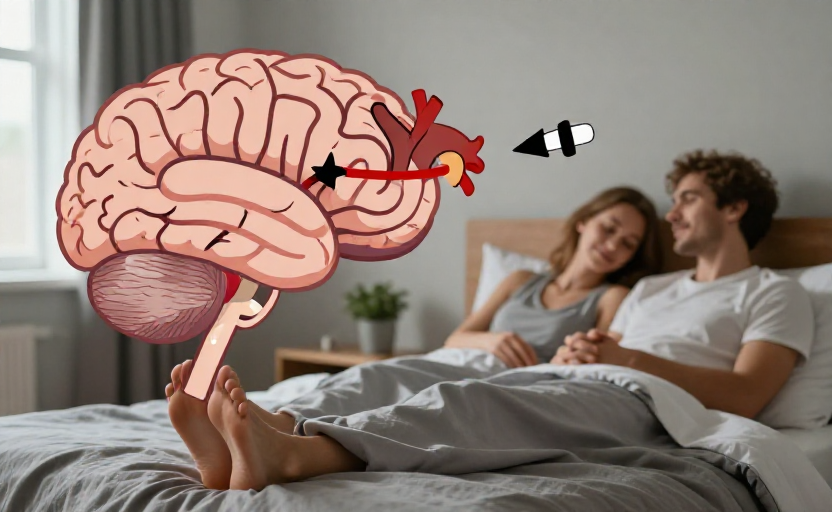
Elevated cortisol also influences your brain’s reward and motivation centers. You may find yourself less interested in intimacy simply because your brain is focused on survival rather than pleasure or connection.
A note on balance: A temporary spike in cortisol from an acute stressor is normal. The problem arises when levels remain high day after day, creating a hormonal environment that works against desire.
Adrenaline’s short-term and long-term effects
Adrenaline gives you a rush of energy in the moment, but it also narrows your focus. During a stressful period, you might notice that sexual thoughts feel distracting or less appealing. Over the long term, if adrenaline and cortisol remain elevated, they can contribute to fatigue and mental exhaustion, both of which are common roadblocks to a healthy sex life.
How stress affects men and women differently
While the basic hormonal mechanisms are similar, the effects can show up differently across genders.
- In men: Chronic stress can lead to lower testosterone, which may reduce desire and make it harder to achieve or maintain an erection. Some studies also link long-term stress to lower sperm quality.
- In women: Stress can disrupt the menstrual cycle and lower estrogen levels, both of which can decrease libido. It can also make lubrication and arousal more difficult.
These differences matter, but for both sexes, the underlying cause is often the same: the stress response is stealing energy away from the reproductive system.
Can reducing stress restore desire?
Yes, in many cases. When you consistently lower your stress levels, cortisol begins to fall. Testosterone can slowly return to healthier levels. Your brain’s reward centers become more responsive again, making intimacy feel more appealing.
Supporting your body’s stress recovery doesn’t require dramatic changes. Small, consistent habits can make a meaningful difference:
- Prioritize sleep: Poor sleep raises cortisol. Aim for seven to nine hours per night.
- Move your body regularly: Moderate exercise lowers stress hormones and boosts mood-supporting endorphins.
- Practice mindful breathing or meditation: Even five minutes a day can lower cortisol levels over time.
- Eat a balanced diet: Blood sugar spikes can trigger cortisol release. Focus on whole foods, protein, and healthy fats.
When to seek help
If you notice a persistent drop in desire that coincides with ongoing stress—or if the issue is affecting your relationship or emotional well-being—it’s worth talking to a professional. A doctor can check hormone levels and rule out other causes such as thyroid problems, depression, or medication side effects.
A therapist with experience in sexual health can also help you address the emotional side of stress and intimacy. Sometimes, the hormonal imbalance is just one part of a larger picture.
Summary points
- Stress hormones like cortisol and adrenaline directly lower libido by suppressing reproductive hormones.
- Chronic stress is the main culprit—short bursts of stress are usually not a problem for desire.
- Men and women can both experience reduced desire, but the specific symptoms may differ.
- Reducing stress through sleep, exercise, mindfulness, and diet can help restore hormonal balance.
- If low desire persists, professional medical or therapeutic support is a good next step.