If you’ve been feeling unusually anxious, losing weight without trying, or noticing your heart racing, you might be wondering about your thyroid. Hyperthyroidism—an overactive thyroid gland—can be a confusing and overwhelming condition to navigate. The path from initial suspicion to a clear diagnosis and ongoing management involves several specific steps, each designed to paint a complete picture of what’s happening in your body.
This guide walks you through that process, explaining the common tests, what they measure, and how your healthcare team uses the results to create a monitoring plan tailored to you. Understanding the ‘why’ behind each step can help you feel more informed and prepared for conversations with your doctor.
What prompts a hyperthyroidism evaluation?
It usually starts with you and your doctor connecting the dots. Hyperthyroidism doesn’t have one single hallmark symptom; instead, it presents a constellation of signs that reflect a sped-up metabolism. You might experience a rapid or irregular heartbeat, unexplained weight loss despite a good appetite, increased sensitivity to heat, sweating, trembling hands, anxiety or irritability, and fatigue. Sometimes, a physical sign like a visibly enlarged thyroid (a goiter) or eye changes associated with Graves’ disease is the first clue.
Your doctor will take a detailed history and perform a physical exam, feeling your neck for thyroid enlargement or nodules and checking your pulse and reflexes. If the clinical picture suggests hyperthyroidism, they will order blood tests to confirm it.
The cornerstone of diagnosis: Thyroid blood tests
Blood tests are the definitive tool for diagnosing thyroid dysfunction. They measure the levels of key hormones and antibodies in your bloodstream.
The primary test is for Thyroid-Stimulating Hormone (TSH). Think of TSH as the pituitary gland’s messenger. If your thyroid is producing too much hormone (T4 and T3), your pituitary gland senses this and drastically reduces its TSH output. Therefore, a very low or undetectable TSH is the most sensitive indicator of hyperthyroidism.
If TSH is low, the next step is to measure the actual thyroid hormones:
- Free T4 (Thyroxine) and Free T3 (Triiodothyronine): “Free” refers to the hormone that is active and available for your body to use. In hyperthyroidism, one or both of these are typically elevated.
This combination—low TSH with high Free T4 and/or Free T3—confirms the diagnosis of hyperthyroidism.
Finding the cause: The role of antibody and imaging tests
Once hyperthyroidism is confirmed, the next question is: Why? The most common causes are Graves’ disease (an autoimmune disorder) and thyroid nodules that produce hormone autonomously. Distinguishing between them is crucial because it guides treatment.
An antibody test looks for Thyroid-Stimulating Immunoglobulins (TSI), the antibodies responsible for Graves’ disease. A positive test points clearly to this autoimmune cause.
If antibodies aren’t present, a thyroid uptake scan is often the next step. For this test, you swallow a tiny, safe amount of radioactive iodine. A special camera later measures how much iodine your thyroid absorbs.
A ‘diffusely increased’ uptake pattern typically indicates Graves’ disease, while a ‘focal’ hot spot points to a hyperfunctioning nodule. Areas of low uptake suggest a different cause, like thyroiditis.
An ultrasound may also be used. It doesn’t measure function but provides a detailed image of the gland’s structure, revealing nodules, inflammation, or changes in blood flow that support the diagnosis.
How is hyperthyroidism monitored over time?
Management of hyperthyroidism is a dynamic process, not a one-time event. Regular monitoring ensures treatment is effective and adjusted as needed.
During initial treatment
If you start on anti-thyroid medications like methimazole, your doctor will check your thyroid hormone levels frequently—often every 4 to 6 weeks initially. The goal is to find the lowest effective dose that brings your Free T4 and Free T3 into the normal range. TSH can remain suppressed for many months and is not the primary target early on.
These visits also monitor for potential medication side effects, including routine blood checks on your white blood cell count and liver function.
Long-term monitoring and remission
For those with Graves’ disease on medication, treatment typically lasts 12 to 18 months. As you near the end of a course, your doctor will watch your levels closely. After stopping medication, you’ll need periodic check-ups (e.g., every 3 months, then gradually less often) to watch for relapse, as remission isn’t always permanent.
If you undergo definitive treatment with radioactive iodine ablation or surgery, the goal shifts from suppressing an overactive gland to replacing a now underactive or absent gland. Monitoring then focuses on ensuring your thyroid hormone replacement dose (like levothyroxine) is correct, using the TSH test as the main guide.
What should you track between appointments?
While lab tests provide the hard data, your personal experience is equally vital. Keeping a simple log can help your doctor fine-tune your care. Note any changes in:
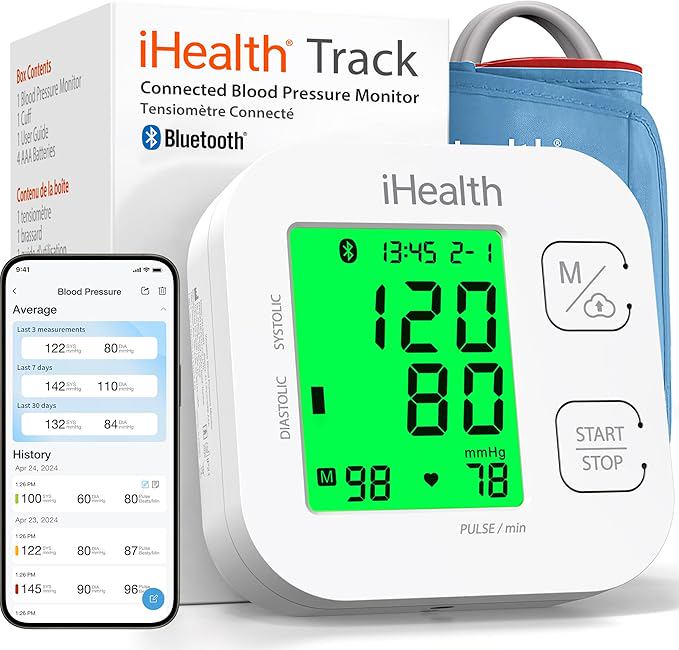
- Resting heart rate or palpitations
- Weight trends
- Energy levels and sleep patterns
- Sense of heat or cold tolerance
- Mood or anxiety levels
- Any new symptoms, like eye discomfort or skin changes
Bringing these observations to your appointment creates a partnership in your care, ensuring your treatment addresses not just the numbers on a lab sheet, but how you feel day to day.