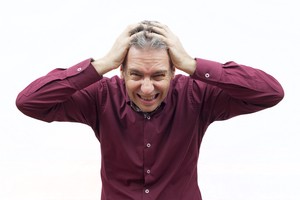

You had a solid morning. Coffee at your desk, your to-do list in check. Then, somewhere between 2 and 4 p.m., your chest tightens, your thoughts race, and suddenly you feel on edge for no obvious reason. If that sounds familiar, your afternoon coffee habit might be the hidden trigger.
Most of us think of caffeine as a harmless productivity tool. But when you look at how caffeine interacts with your body’s natural stress systems, the timing of that second or third cup can turn a calm day into a low-grade panic episode. Let’s break down exactly what happens — and how to adjust your schedule so you stay steady.
Why caffeine hits harder in the afternoon
Caffeine works by blocking adenosine, a chemical that makes you feel sleepy. That’s great in the morning. But adenosine also has a calming effect on the nervous system. When caffeine blocks it later in the day — especially after your body has already processed your morning dose — your nervous system can become over-activated.
At the same time, caffeine triggers the release of adrenaline. Normally, adrenaline helps you handle short-term stress. But when it lingers into the afternoon, your body interprets that surge as a threat. Heart rate goes up, breathing gets shallow, and your brain starts scanning for danger — even if the only thing happening is a slow-loading spreadsheet.
The cortisol connection
Your body naturally produces cortisol, the primary stress hormone, in a daily rhythm. Levels peak around 8 a.m. and gradually decline through the day. Drinking coffee when cortisol is already high — usually between 8 and 9 a.m. — can blunt its effects. But drinking caffeine in the early afternoon, when cortisol is much lower, can cause a sharp spike that mimics an anxiety response.
One 2015 study in Psychopharmacology found that consuming caffeine after a period of low caffeine intake caused a measurable increase in cortisol and adrenaline. For regular coffee drinkers, that spike may be less pronounced — but the afternoon dose can still tip sensitive individuals into a state of physiological arousal that feels like panic.
Signs your afternoon coffee is triggering panic
- Sudden jitters or shakiness within 30–60 minutes of drinking coffee, especially on an empty stomach
- Racing thoughts or feeling “wired but tired” — your mind won’t settle, even though your body is fatigued
- Chest tightness or a pounding heart that isn’t linked to exercise or stress
- A sense of dread or unease that clears up after a few hours, often after the caffeine wears off
- Difficulty falling asleep that makes you reach for more caffeine the next day, creating a cycle
If you already have an anxiety disorder or are prone to panic attacks, caffeine can act as a direct trigger. The American Psychiatric Association notes that caffeine-induced anxiety disorder is a recognized condition, especially at high doses or with irregular consumption.
How long does caffeine stay in your system?
Caffeine has a half-life of roughly 4 to 6 hours for most adults. That means if you drink a cup of coffee at 3 p.m., about half of that caffeine is still circulating at 7 p.m. — and a quarter remains at around 9 p.m. For people who metabolize caffeine slowly (due to genetics or certain medications), that window is even longer.
This lingering presence is why an afternoon latte can cause restless sleep, and restless sleep increases cortisol and anxiety the next day. The cycle feeds itself.
A good rule of thumb: stop all caffeine at least 8 hours before your planned bedtime. For a 10 p.m. bedtime, that means no coffee after 2 p.m.
Practical ways to adjust your caffeine timing
You don’t have to quit coffee entirely. The goal is to match your caffeine intake to your body’s natural rhythm.
Start later, not earlier. If you tend to wake up groggy, wait 90 minutes after waking before your first cup. This lets your natural cortisol rise and fall, so the caffeine hits when your alertness starts to dip — not when it’s already peaking.
Switch to lower-caffeine options in the afternoon. Green tea, matcha, or half-caf coffee can still provide a gentle lift without the adrenaline spike. These options also contain L-theanine, an amino acid that promotes calm focus and can offset some of caffeine’s jittery effects.
Consider a caffeine-free afternoon ritual. Many people mistake thirst or hunger for a caffeine craving. Try sparkling water with lemon, herbal tea (rooibos or peppermint), or a short walk first. If you still feel sluggish after that, the problem may be poor sleep — not a caffeine deficit.
When to talk to a professional
If afternoon anxiety persists even after you adjust your caffeine timing, it’s worth checking in with a healthcare provider. Persistent panic symptoms can also stem from thyroid issues, blood sugar imbalances, or an underlying anxiety disorder that isn’t caused by caffeine alone.
Caffeine is a tool, not a villain. Used well, it sharpens your focus without stealing your calm. The trick is knowing when your system is ready for it — and when it’s better to just let the afternoon pass without a caffeine trigger.