Orgasms are a complex interplay of physical sensation, mental state, and — crucially — blood flow. When sexual arousal begins, the body directs more blood to the genitals, causing tissues to swell and become sensitive. This process, known as vasocongestion, is essential for achieving orgasm in both men and women. Conversely, circulatory issues, stress, or certain medications can hinder this flow, making orgasm harder to reach or less intense.
Understanding this connection can help you identify when a simple lifestyle tweak might improve your sex life and when it might be time to consult a healthcare provider. Below, we break down the vascular mechanics of orgasm and share practical signs that professional guidance could be helpful.
How Blood Flow Powers Orgasmic Response
Blood flow is the primary physical driver of sexual arousal. In people with a penis, increased circulation leads to an erection. In people with a vagina, it causes the clitoris, labia, and vaginal walls to swell and lubricate. This engorgement amplifies nerve sensitivity, laying the groundwork for orgasmic release.
The Role of Nitric Oxide
Your blood vessels rely on a molecule called nitric oxide to relax and expand. When you’re aroused, the brain signals the release of nitric oxide, which widens arteries and boosts blood flow to the genitals. Anything that interferes with nitric oxide production — such as smoking, high blood pressure, or high cholesterol — can dull sensation and delay orgasm.
Lifestyle Factors That Affect Circulation and Orgasm
Several everyday habits can either support or sabotage healthy blood flow. Addressing these can sometimes restore orgasmic function without medical intervention.
- Physical activity: Regular aerobic exercise (brisk walking, cycling, swimming) improves the health of blood vessels and supports better nitric oxide production. Even 20 minutes a day can make a difference.
- Diet: Foods rich in antioxidants and nitrates — like leafy greens, beets, and berries — support blood vessel function. Excessive salt, saturated fat, and sugar can impair circulation over time.
- Smoking and alcohol: Nicotine constricts blood vessels, while heavy alcohol use can depress the nervous system and reduce sensation. Cutting back often leads to noticeable improvement.
- Sleep quality: Poor sleep increases cortisol, a stress hormone that constricts blood vessels and dampens libido. Prioritizing rest can help maintain healthy circulation.
- Stress management: High stress raises blood pressure and narrows vessels. Mindful practices, therapy, or simply scheduling time for intimacy can lower these physical barriers.
Medical Conditions That Impact Blood Flow
When lifestyle changes aren’t enough, an underlying health issue may be at play. Conditions that affect the cardiovascular system often affect sexual response first, because genital blood vessels are smaller and more sensitive.
- High blood pressure damages arterial walls over time, reducing elasticity and blood flow.
- Atherosclerosis (plaque buildup in arteries) can restrict flow to the pelvis.
- Diabetes can damage nerves and small blood vessels, causing numbness or delayed orgasm.
- Hormonal imbalances, especially low testosterone, can reduce the drive for sex and the intensity of orgasm.
When to See a Doctor
Occasional difficulty reaching orgasm is normal — especially during periods of high stress, illness, or relationship tension. However, there are clear signs that warrant a medical checkup.
Consider talking to your primary care provider or a urologist/gynecologist if you experience:
- Difficulty getting or maintaining an erection despite adequate arousal.
- Noticeably less genital sensation during sex or masturbation.
- Orgasms that are much weaker or absent for several weeks without a clear cause.
- Other unexplained symptoms, such as fatigue, cold hands and feet, or changes in urination.
- Sudden onset of orgasm difficulty after starting a new medication (antidepressants, blood pressure drugs, etc.).
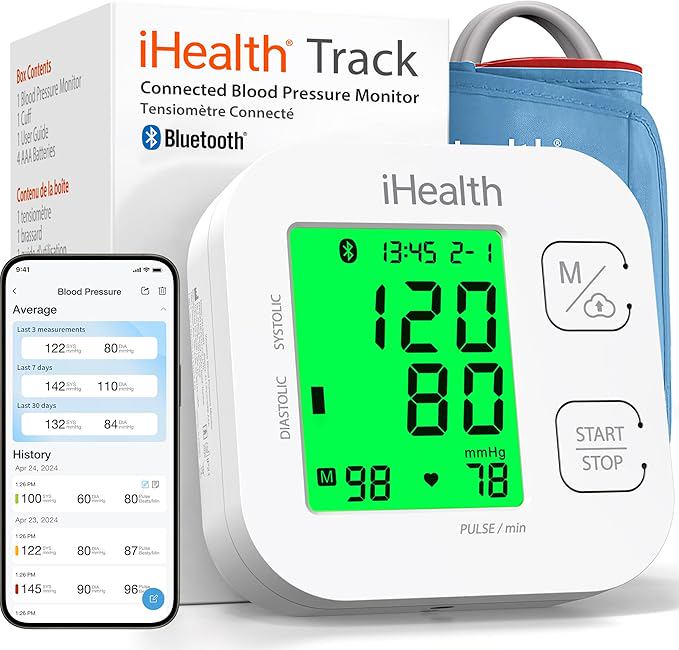
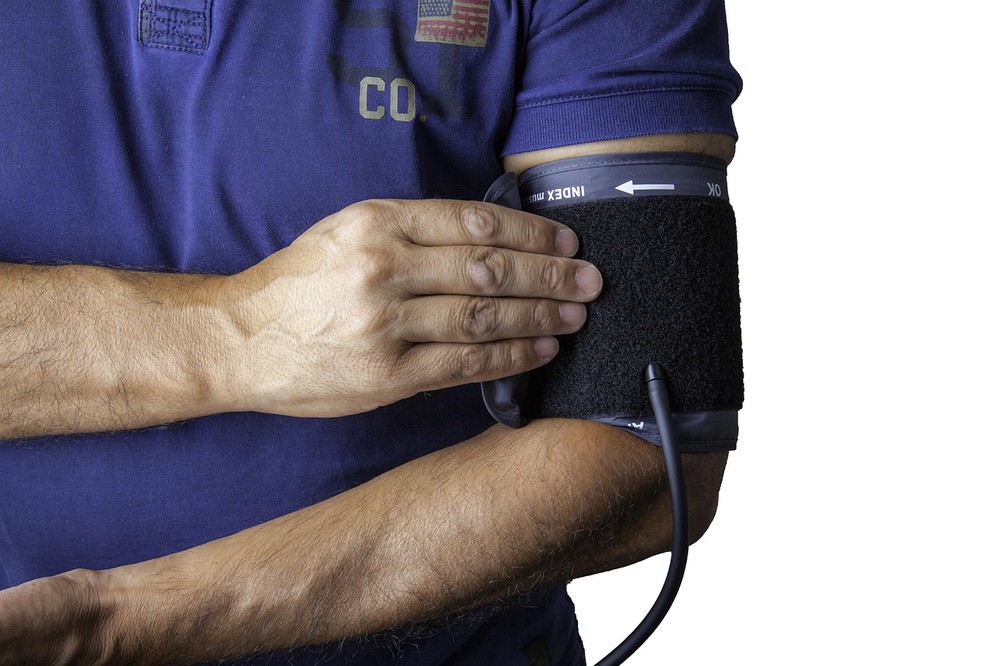
A doctor can run simple tests — blood pressure check, blood sugar test, hormone panel — to identify contributing factors. Often, treating the root cause (e.g., adjusting a medication, managing blood pressure, or improving circulation) restores orgasmic function.
Questions People Often Ask
Can exercise alone fix low blood flow related to orgasm? For mild circulatory sluggishness, yes. Regular moderate exercise can significantly improve vessel function. But if the cause is anatomical (e.g., narrowed artery) or hormonal, exercise may help but not fully resolve it. Combine it with a doctor’s evaluation for best results.
Do vaginal orgasms require different blood flow than clitoral orgasms? Both rely on the same underlying vascular response — increased blood flow to the entire pelvic region. The clitoris and the lower third of the vagina are richly supplied with blood. Orgasm type is more about which areas are stimulated; the physical need for good circulation is the same.
Are there supplements that boost blood flow for orgasm? Some people use L-arginine, citrulline, or beetroot powder to support nitric oxide production. However, supplements are not regulated like medications, and their effects vary. Always check with a doctor before starting any new supplement, especially if you have a medical condition or take prescription drugs.
Can dehydration affect orgasm? Yes. Even mild dehydration thickens the blood slightly, making it harder for the heart to pump efficiently. This can reduce peak blood flow during arousal. Staying well-hydrated throughout the day supports overall circulation and may help maintain stronger responses.
Blood flow is the bedrock of a satisfying orgasm. While many causes of poor circulation are reversible with lifestyle changes, persistent issues deserve professional attention — they could be an early warning signal for your cardiovascular health. The good news is that addressing them often improves both your sex life and your overall well-being.