The postpartum period brings a cascade of physical and emotional changes, and it is common for new parents to wonder how birth recovery affects sexual arousal. After childbirth, the body needs time to heal, and the pelvic floor, hormonal balance, and emotional well-being all play a role in how and when desire returns. Understanding what is normal can help you approach intimacy with patience and self-compassion.
This article walks through the main factors that influence sexual arousal after birth—from pelvic floor recovery to sleep deprivation—and offers clear, realistic guidance for reconnecting with your body and your partner.
Why arousal often feels different after childbirth
During pregnancy and delivery, the pelvic floor muscles stretch significantly. For many women, this leads to reduced tone and sensitivity in the pelvic region, which can dampen the sensations that typically build arousal. In addition, estrogen levels drop sharply after birth, especially if you are breastfeeding. Lower estrogen often causes vaginal dryness and thinning of the vaginal tissues, making intercourse uncomfortable or even painful. These physiological changes are temporary for most people, but they can create a noticeable shift in how arousal feels.
Pain or discomfort during sex after birth is not a personal failure—it is a common, treatable response to physical recovery. Using a lubricant and giving yourself time are the first steps.
Hormones, breastfeeding, and libido
Prolactin, the hormone responsible for milk production, also suppresses ovulation and estrogen. This combination naturally lowers libido in the months after birth. Many women report feeling less spontaneous desire while breastfeeding, and this is biologically normal. The body is prioritizing milk production and energy conservation over reproductive readiness. If you are nursing, your arousal may return more slowly, but that does not mean your sex drive is gone permanently. It often returns gradually as breastfeeding frequency decreases.
Sleep, exhaustion, and mood
Newborn care is exhausting, and chronic sleep deprivation directly affects your mood and your body's ability to feel desire. One study published in the Journal of Sexual Medicine found that just one hour of extra sleep per night increased the likelihood of a woman having sex by 14 percent. When you are running on broken sleep, cortisol levels rise and libido often plummets. Prioritizing rest—even if it means trading off with your partner or enlisting help—can make a real difference in how your body responds to intimacy.
Pelvic floor recovery and arousal
The pelvic floor muscles are central to both urinary control and sexual sensation. After a vaginal birth, these muscles can be weak or, in some cases, overly tight due to guarding or scar tissue. Kegel exercises, when done correctly, can strengthen the pubococcygeus (PC) muscle group and improve blood flow to the pelvis. Stronger pelvic floor muscles are linked to more intense sensation during arousal and orgasm. However, it is important to learn proper technique—many women tense the wrong muscles. Consider seeing a pelvic floor physical therapist for a personalized assessment, especially if you experience pain or incontinence.
Emotional readiness and communication
Sexual arousal is not purely physical. Your emotional state matters just as much. Many new parents feel a sense of disconnect because their body has changed, or because the role of caregiver feels all-consuming. It can help to take the pressure off performance and focus on re-establishing touch for its own sake. Cuddling, kissing, and non-sexual massage rebuild the emotional bridge between partners. Talking openly about your fears and desires—without judgment—makes it easier to find a rhythm that works for both of you.
Expressing affection even when you feel tired or tense helps maintain your bond. Physical touch, even without intercourse, releases oxytocin and can slowly reawaken desire.
When to consider professional support
If you have been trying to reconnect with your body and partner for several months and still experience pain, low desire, or significant emotional distress, it is wise to talk to a healthcare provider. A gynecologist, pelvic floor therapist, or sex therapist can offer targeted strategies. Postpartum sexual challenges are not something you have to solve alone. Many women benefit from a combination of physical therapy, lubricants, and counseling. A thorough evaluation can rule out underlying issues such as thyroid imbalances, postpartum depression, or pelvic floor dysfunction that may require treatment.
Practical steps you can take now
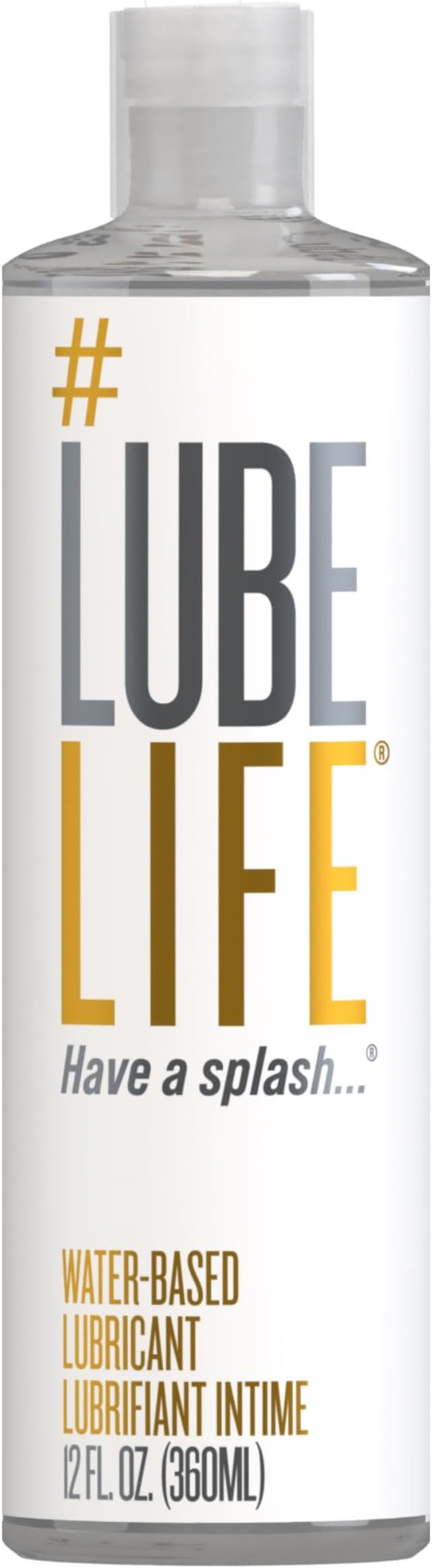
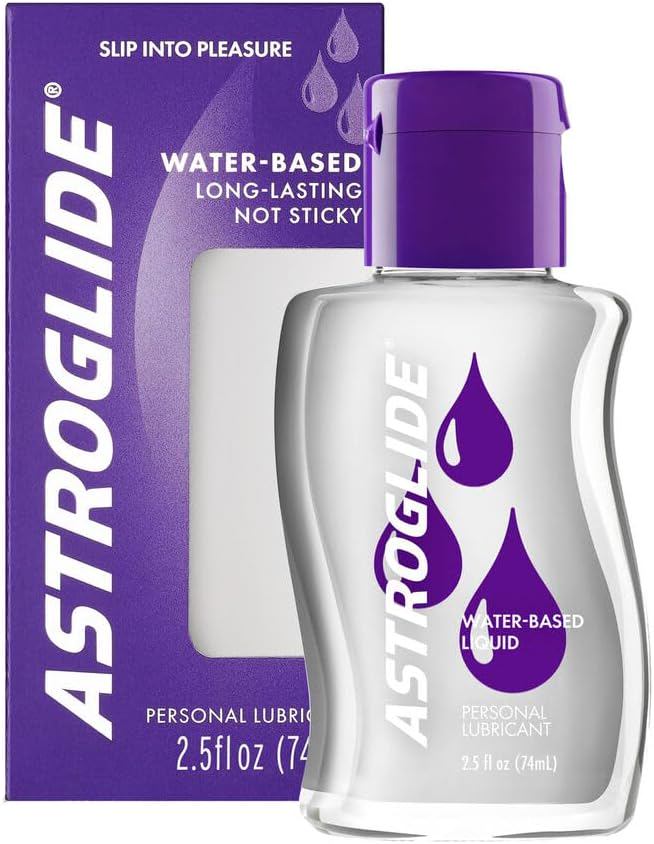
- Use a high-quality lubricant to ease vaginal dryness. Water-based or silicone-based options work well and can make initial attempts at penetration much more comfortable.
- Do not rush the timeline. Most doctors advise waiting until after your six-week checkup for intercourse, but many women need longer. Your body sets the pace.
- Focus on non-goal-oriented touch. Take intercourse off the table temporarily and explore other forms of intimacy like massage, kissing, or slow, sensual touch without pressure.
- Rest whenever possible. Sleep deprivation is a major libido killer. Prioritize rest even over household tasks.
- Communicate openly with your partner. Share what feels good, what hurts, and what you need emotionally. Mutual understanding builds trust and reduces anxiety.
Birth recovery is a season, not a permanent state. Your body is healing, your hormones are recalibrating, and your identity as a parent is settling. Arousal and desire often return gradually, and most couples find a satisfying sexual rhythm within the first year. Being patient with yourself and seeking the right support when needed can make all the difference.