You’ve heard it a thousand times: breakfast is the most important meal of the day. But when you’re staring at the pantry or rushing out the door, that importance can feel more like a burden than a benefit. The goal isn’t to create a perfect, Instagram-worthy plate every morning. It’s about building a simple, satisfying habit that fuels your body and mind without adding stress. As a dietitian, my approach is less about rigid rules and more about flexible frameworks—combining nutrients in a way that keeps you full, focused, and genuinely looking forward to your morning meal.
A truly balanced breakfast does more than just “break the fast.” It stabilizes your energy, curbs mid-morning cravings, and provides a steady stream of nutrients your body needs to function at its best. It’s the foundation that can influence your food choices for the rest of the day. Let’s move beyond cereal and toast and talk about how to assemble a breakfast that works for you.
What Makes a Breakfast “Balanced”?
Think of your plate as a puzzle with three key pieces: protein, fiber, and healthy fats. When these pieces come together, they create a synergistic effect. Protein and fats slow digestion, while fiber adds bulk and supports gut health. This combination leads to a gradual rise in blood sugar, avoiding the spike and crash that can leave you hungry and irritable by 10 a.m.
The magic isn't in any single "superfood," but in how the components on your plate work together to keep you satisfied.
Here’s a closer look at each piece:
- Protein: This is the cornerstone of satiety. It takes more energy to digest and directly signals fullness to your brain. Aim to include a source like eggs, Greek yogurt, cottage cheese, tofu, edamame, or even leftover roasted chicken.
- Fiber: Primarily from fruits, vegetables, and whole grains, fiber adds volume and feeds the beneficial bacteria in your gut. It helps you feel physically full and supports long-term digestive health. Berries, spinach, oats, and chia seeds are all excellent sources.
- Healthy Fats: Fats are not the enemy; they’re essential for absorbing certain vitamins and providing sustained energy. Think avocado, nuts, seeds, nut butter, or olive oil drizzled over your vegetables.
Building Your Breakfast, Step by Step
You don’t need a recipe to start. Use this as a simple mental checklist: choose one component from at least two of the categories above, and ideally all three. Start where you are. If your typical breakfast is a bagel, add a layer of nut butter (fat + a little protein) and some banana slices (fiber). That’s progress.
If You Have 5 Minutes or Less
Speed is often the biggest barrier. Your solution is assembly, not cooking.
- Greek yogurt parfait: Layer yogurt with berries and a sprinkle of walnuts or hemp seeds.
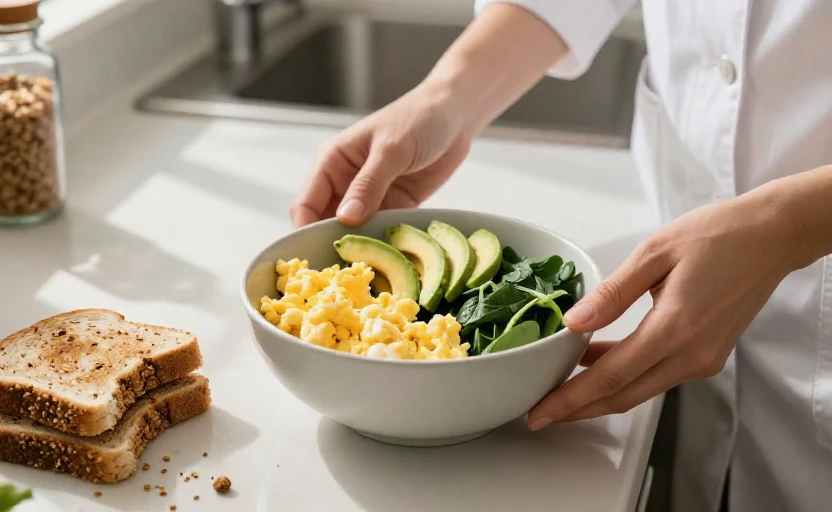
- Toast upgrade: Top whole-grain toast with mashed avocado, a sprinkle of everything bagel seasoning, and a side of cottage cheese.
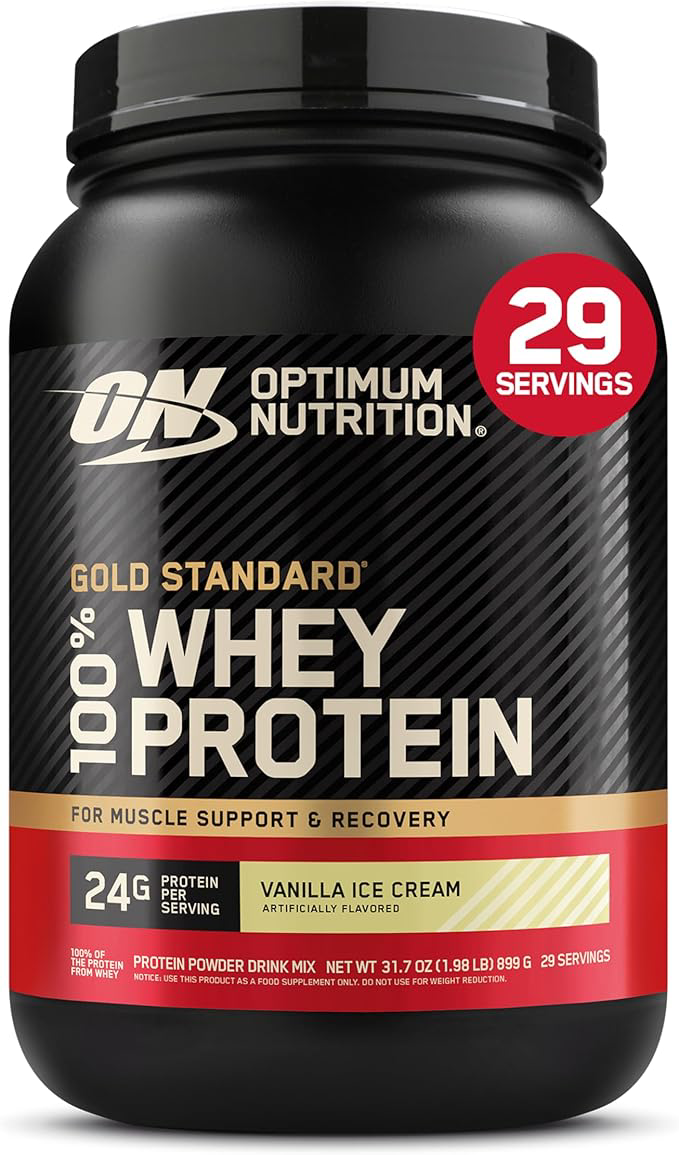
- The smoothie that actually fills you up: Blend spinach, frozen fruit, a scoop of protein powder or Greek yogurt, a tablespoon of chia seeds, and your milk of choice.
If You Have 10-15 Minutes
This window allows for simple cooking, which opens up more warm, comforting options.
- Scrambled tofu or eggs: Sauté with spinach, mushrooms, and peppers. Serve with a slice of whole-grain toast.
- Oatmeal, redefined: Cook old-fashioned oats with milk for extra protein. Top with peanut butter and sliced apple, or with pumpkin seeds and a dash of cinnamon.
- Breakfast bowl: Start with a base of quinoa or leftover roasted sweet potatoes. Add black beans, salsa, avocado, and a fried egg.
Making Breakfast Satisfying, Not Just Nutritious
Nutritional balance is one thing, but if you don’t enjoy the food, the habit won’t stick. Satisfaction comes from flavor, texture, and even temperature. Do you prefer something warm and savory in the morning, or cool and sweet? A crunchy topping on creamy yogurt? A hint of spice or a touch of natural sweetness from fruit?
Honor your cravings by fitting them into the framework. Want something pancake-like? Make a batter with mashed banana, eggs, and oats. Craving pastry? Try a whole-grain English muffin with almond butter and a drizzle of honey. The goal is nourishment, not deprivation.
Common Breakfast Pitfalls and Simple Swaps
Many traditional breakfasts are heavy on refined carbohydrates and sugar but light on protein and fiber, setting you up for a energy crash. Here’s how to pivot:
- Instead of sugary cereal, choose a whole-grain, low-sugar option and add a handful of nuts and berries.
- Instead of a plain bagel with cream cheese, opt for a whole-wheat version, add smoked salmon or turkey, and include cucumber slices.
- Instead of a fruit juice, eat the whole fruit to get the fiber, or blend it into a smoothie.
Listening to Your Body
Finally, the most important tool in a dietitian’s kit is mindfulness. Are you eating because the clock says it’s time, or because you feel genuine hunger? Some people thrive on a substantial breakfast, others prefer something lighter. Both are okay. The best breakfast is one that aligns with your hunger cues, your energy needs for the day ahead, and, of course, your taste. Start with the framework, experiment without pressure, and find what makes your morning feel both balanced and genuinely good.