
That sudden, unsettling flutter in your chest—the skipped beat, the hard thump, the feeling that your heart is racing for no reason. Palpitations are incredibly common, and while often harmless, they can be a source of significant anxiety. The challenge is in the telling. When you finally sit across from your cardiologist, how do you move beyond "my heart feels weird sometimes" to provide the concrete details that lead to clarity?
As a cardiologist, the most helpful patients are not those with a self-diagnosis, but those who come prepared with a clear, descriptive log of their experience. It transforms a vague symptom into a tangible pattern we can investigate. This guide is designed to help you become your own best observer, so you and your doctor can work as an effective team.
Before You Start Tracking: The Safety First Step
Before focusing on logging details, it’s crucial to recognize when palpitations require immediate attention. If your irregular heartbeat is accompanied by chest pain, pressure or tightness, severe shortness of breath, dizziness or lightheadedness, or fainting, seek emergency care. This guide is for tracking non-emergent symptoms to discuss at a scheduled appointment.
Building Your Palpitation Log: The Key Details to Capture
Think of yourself as a detective gathering evidence about your heart’s behavior. The goal is to create a timeline and description that reveals triggers, patterns, and the specific nature of the sensation. You can use a simple notebook, a notes app on your phone, or a printable symptom diary.
1. Describe the Sensation Precisely
Instead of "weird," try to find the most accurate metaphor. This description is often the first clue to the type of rhythm disturbance.
- Flip-flop or skipped beat: Feels like your heart pauses, then gives a hard thump. This often describes a premature beat (PVC or PAC).
- Fluttering or quivering: A rapid, irregular flurry in the chest, like a bird’s wings. This can suggest atrial fibrillation or flutter.
- Pounding or racing: A sensation of your heart beating very hard and fast, but usually still in a regular rhythm, like you just ran upstairs.
- Flip-flopping followed by racing: A skipped beat that then triggers a run of rapid, regular heartbeat may point to a supraventricular tachycardia (SVT).
2. Note the Timing and Duration
When did it start? How long did it last? Be as specific as possible.
- Start time: "3:15 PM while sitting at my desk."
- Duration: "Lasted about 30 seconds," or "Went on for two hours."
- Frequency: "This was the third episode this week."
3. Document the Context: What Were You Doing?
This is where triggers reveal themselves. Note your activity, posture, and emotional state.
- Activity: Were you resting, just after standing up, during exercise, or bending over?
- Consumption: Had you recently consumed caffeine, alcohol, a large meal, or a sugary drink?
- Emotional State: Were you feeling stressed, anxious, or unusually excited?
- Sleep: Were you sleep-deprived?
4. Check Your Pulse (If Possible)
If you feel steady enough, gently place two fingers on the inside of your wrist or the side of your neck. Don’t use your thumb. Try to assess:
- Rate: Is it extremely fast or just a little elevated?
- Rhythm: Does it feel steady and even, or irregular and chaotic?
Don’t worry about getting an exact count. The quality of the rhythm ("fast and regular" vs. "fast and all over the place") is often more useful than a precise number.
5. Record What Made It Stop
Did the palpitations stop on their own when you sat down? Did they cease after you took a few deep breaths, drank some water, or coughed? This information can be diagnostically helpful.
How to Present Your Findings to Your Cardiologist
Bring your log to your appointment. Instead of reading every entry, summarize the patterns you’ve noticed. You might say:
"Doctor, I’ve been logging these for three weeks. I typically get a fluttering sensation that lasts a few minutes, and it almost always happens in the evening when I’m lying on my left side trying to sleep. I don’t drink coffee, but I did notice one episode after a glass of wine."
This kind of summary is invaluable. It tells us when and where to look, and what potential triggers to consider.
Beyond the Log: Modern Tools Can Help
While a descriptive log is the foundation, technology can provide objective data.
- Smartwatch ECG/EKG: Many consumer devices can record a single-lead rhythm strip when you feel symptoms. This is not a full diagnostic EKG, but it can capture episodes of atrial fibrillation or a very fast regular rhythm, providing a crucial piece of evidence.
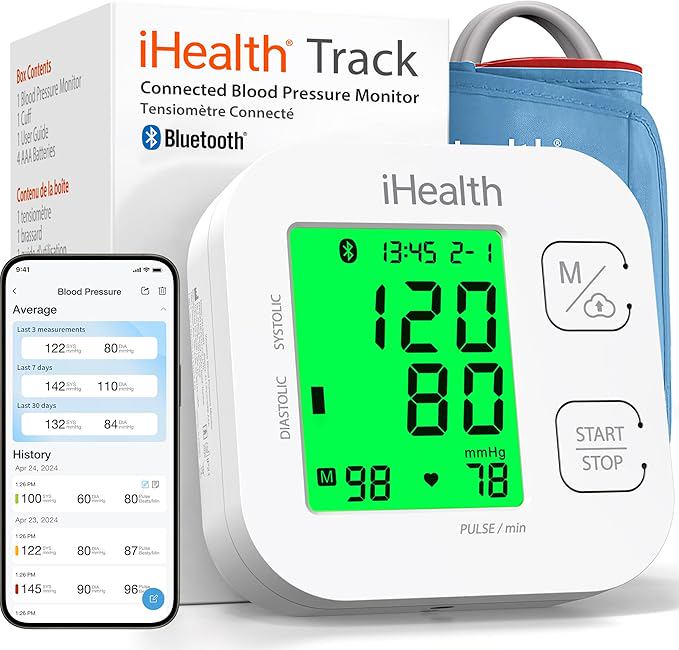
- Blood Pressure Cuff with Irregular Heartbeat Detection: Some home monitors will flag an irregular pulse during a reading.
If your symptoms are infrequent, your doctor may recommend a longer-term monitor you wear for days or weeks to catch an episode.
What Your Cardiologist is Listening For
When you describe your palpitations, we are piecing together a puzzle. We’re assessing the likelihood of a benign rhythm issue versus one that requires further management. We consider your overall heart health, risk factors, and the specific characteristics you provide. Your detailed account directly guides the next steps, which may range from simple reassurance to specific tests.
Tracking your palpitations transforms anxiety into agency. It shifts you from a passive experiencer of symptoms to an active participant in your heart health. By bringing clear, organized observations to your appointment, you empower your cardiologist to provide the most accurate guidance and care for you.