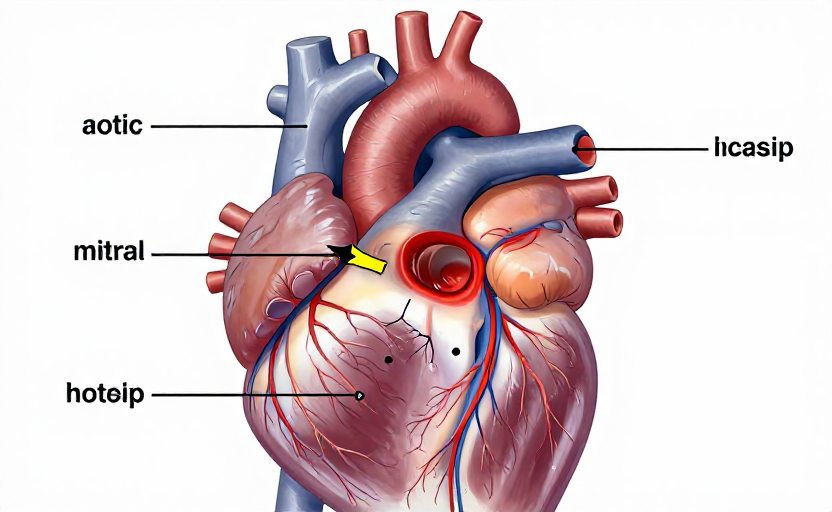
Your heart valves are remarkable structures—four small flaps of tissue that open and close tens of thousands of times each day, directing blood flow in a single, efficient direction. When one of these valves begins to fail, the change is often so gradual that you don't notice it at first. You may feel a little winded climbing stairs, or notice your ankles look puffier than they used to.
Here is the critical distinction that every cardiologist wants you to understand: chronic valve disease moves slowly, but acute valve deterioration can turn dangerous in hours or days. Knowing which symptoms signal an emergency—and which ones warrant a scheduled appointment—could literally save your life.
The difference between "watch and wait" and "call 911"
Many people with mild or moderate valve issues live active, full lives for years under medical supervision. The cardiologist typically monitors these patients with regular echocardiograms and checkups. But certain symptom patterns break that steady timeline and require immediate attention.
The simple rule: If your heart valve symptoms appear suddenly, worsen quickly, or come with any sign of organ distress (chest pressure, fainting, breathing trouble at rest), you are past the point of waiting for a clinic appointment.
Below is a breakdown of the symptoms that should prompt urgent or emergency care, organized by how they feel in your body.
Sudden shortness of breath that changes your daily routine
This is the most common red flag across all types of valve disease—aortic stenosis, mitral regurgitation, and others. The distinction lies in context and trajectory.
Normal progression: You get winded walking uphill but can still do your grocery shopping. You sleep with one pillow and wake up rested.
Emergency signal: You cannot walk from the bedroom to the kitchen without gasping. You wake up suddenly in the middle of the night feeling like you are suffocating—a symptom called paroxysmal nocturnal dyspnea. You need two or three pillows to prop yourself up just to breathe comfortably (orthopnea). These are signs that fluid is backing up into your lungs because your valve can no longer handle the heart's workload.
If breathing difficulty comes on rapidly within hours and is accompanied by frothy or pink-tinged sputum, that can indicate pulmonary edema. This is a life-threatening situation.
Chest pain or tightness
Not all chest discomfort is a heart attack, but when a valve is the culprit, it demands the same urgency. In aortic stenosis, the narrowed valve restricts blood flow out of the heart, and the heart muscle itself can become starved for oxygen. This often shows up as chest pressure, squeezing, or a sense of heaviness during exertion.
Warning bells: Chest pain that happens while you are resting, lasts more than a few minutes, or spreads to your jaw, neck, back, or left arm. This can look exactly like a heart attack. Even if the cause is valve-related, you need emergency evaluation.
Fainting or near-fainting (syncope)
Passing out—especially during or just after physical activity—is a classic harbinger of severe aortic stenosis. When the valve opening becomes critically narrow, blood pressure can drop suddenly because the heart cannot push enough blood to the brain.
Do not brush off a single dizzy spell as "just getting up too fast" if you have known valve disease. One episode of fainting in the setting of a heart valve problem carries a significantly elevated risk of sudden death within the next few months if the valve is not addressed promptly.
Rapid weight gain and swelling that will not go away
Water retention is a slower, more subtle sign, but it can accelerate quickly. Weigh yourself daily if you have a known valve condition. A gain of 2 to 3 pounds in a day—or 5 pounds in a week—may mean your heart is not pumping effectively and fluid is accumulating.
Look for: Pitting edema in your ankles and lower legs (press your finger into the skin and an indentation remains), a bloated or tender abdomen, or a sudden decrease in your urine output. If your prescribed diuretics are no longer controlling these symptoms, call your cardiologist that day—do not wait for a scheduled follow-up.
Heart palpitations with severe symptoms
Many people feel occasional skipped beats or fluttering, and most of those are harmless. But palpitations that arrive with fainting, severe dizziness, chest pain, or shortness of breath are a different story. In mitral valve prolapse or regurgitation, sudden onset of a racing, irregular heartbeat (atrial fibrillation) can destabilize a patient quickly. This combination can cause blood clots, stroke, or rapid heart failure.
If your heart feels like it is "hammering" out of your chest and you cannot catch your breath, seek emergency care.
What to do while you wait for help
While you are calling 911 or heading to the emergency room, here are a few practical actions that may help the medical team treat you faster:
- Sit upright. Do not lie flat if you are struggling to breathe. Gravity helps keep fluid from settling in your lungs.
- Take your current medications with you. Bring a list or the actual bottles—especially blood thinners, blood pressure medications, and diuretics.
- Do not drive yourself if you have chest pain, fainted, or cannot breathe comfortably. An ambulance provides oxygen, monitoring, and early intervention.
- Mention your valve history explicitly. Tell the triage nurse: "I have aortic stenosis" or "I have mitral regurgitation." This changes how quickly they prioritize your evaluation.
When you have more time—but should still act
Some symptoms do not require a 911 call but do need attention within a few days to a week. These include:
- New or worsening fatigue that interferes with daily activities
- Persistent dry cough, especially at night
- Progressive leg swelling that does not improve with elevation
- A heart murmur that your doctor recently noted as "louder" or "different"
Make an appointment with your cardiologist and mention these changes. They may order a repeat echocardiogram or adjust your medication. Do not convince yourself to "wait it out." Valve disease is a mechanical problem, and medicines can only do so much to support a failing valve.
The bottom line
Your body will usually give you a warning before a valve crisis becomes catastrophic. The key is recognizing which warnings are urgent: sudden breathing trouble, resting chest pain, fainting, rapid fluid retention, and destabilizing palpitations. If you have any of these, do not wait for office hours. Go to the emergency department or call 911.
If your symptoms are milder but persistent, schedule a cardiology visit soon. Valve disease is a serious condition, but with timely care—whether that means medication monitoring, catheter-based repair, or surgical replacement—most people return to a very good quality of life.