Congenital heart disease (CHD) is the most common type of birth defect, affecting nearly 1 in every 100 babies born. Yet for many, the condition goes undetected until later in life. Some forms are so mild that they produce no obvious symptoms at birth—instead, they quietly influence how the body works for years.
This reality is why recognizing the early warning signs matters for people of all ages. Dr. [Name], a cardiologist specializing in adult congenital heart disease, says that many patients come in after noticing something that seems minor—but turns out to be a crucial clue. Here are three early warning signs he says everyone should know.
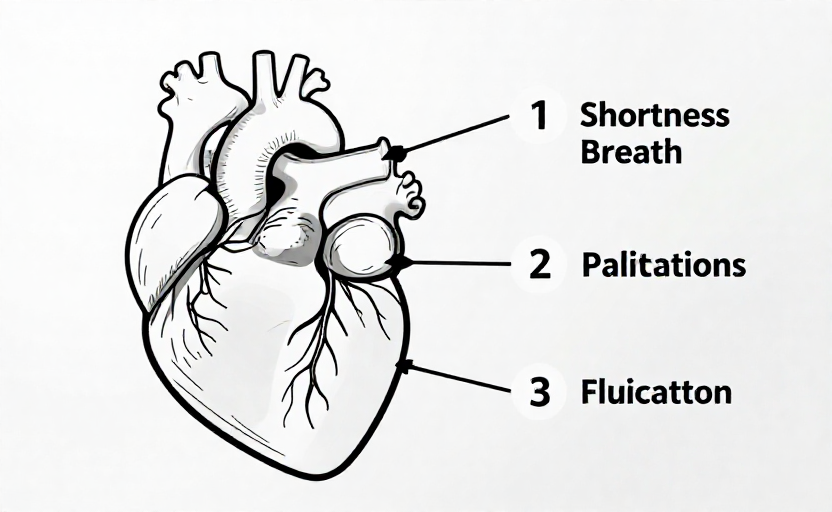
1. Unexplained shortness of breath that feels "off"
Everyone gets winded after climbing stairs or carrying groceries. But with congenital heart disease, shortness of breath tends to follow a different pattern. It might happen during everyday tasks that used to feel easy—like walking to the mailbox, making the bed, or getting dressed. Dr. [Name] explains that when a structural heart defect forces the heart to work harder to pump blood, less oxygen reaches the muscles and organs. That oxygen debt shows up first as breathlessness.
What makes this sign distinct from ordinary fatigue is its consistency. If you notice that simple activities leave you gasping for air on a regular basis—not just when you're out of shape or fighting a cold—it deserves medical attention. The same goes for children who tire much faster than playmates of the same age, or who cannot keep up during physical activity without needing frequent rests.
2. A rapid or irregular heartbeat that won't go away
Feeling your heart race after a scare or during exercise is normal. But an unexpected fluttering, pounding, or feeling like the heart is skipping beats—especially when you are resting or trying to sleep—can be a sign of an underlying structural issue.
Dr. [Name] notes that many congenital heart defects alter the electrical pathways of the heart or create extra stress on certain chambers, leading to arrhythmias. These rhythm disturbances can feel like a mild flutter or a sudden, forceful thump in the chest. For some people, the sensation comes and goes. For others, it becomes a near-daily experience. He cautions that even if an irregular heartbeat is not painful, it can gradually weaken the heart muscle if left unaddressed. Palpitations that occur alongside breathlessness or fainting are especially important to report to a doctor.
3. Swelling in the feet, ankles, or belly that creeps up
Fluid retention is a sign that the heart is struggling to pump blood effectively. When the heart cannot keep up, blood can back up in the veins, causing fluid to leak into surrounding tissues. This often shows up as puffiness in the feet and ankles by the end of the day. Some people also notice their shoes fitting tighter, lingering indentations from socks, or a feeling of heaviness in the legs.
Swelling may not sound alarming at first, but Dr. [Name] sees it as one of the most reliable physical clues for undiagnosed congenital defects. And it does not stop at the ankles. For more advanced cases, fluid can accumulate in the abdomen, causing a bloated or full sensation. Unexplained weight gain over a week or two—especially if it's accompanied by one of the other two signs—should not be ignored.
Why these signs are often missed
One reason CHD evades detection is that these symptoms can mimic common health problems. Shortness of breath gets blamed on asthma. Fatigued legs or swollen feet are chalked up to standing all day. Palpitations are waved off as anxiety or too much coffee. And for some people with mild defects, symptoms worsen so gradually that they never realize how much they have adapted. A person may simply think it is normal to feel winded after a short walk—until the heart finally reaches a limit.
Dr. [Name] emphasizes that awareness matters more than alarm. Most congenital heart defects are manageable, and early diagnosis can make a major difference in quality of life and long-term outcomes. A thorough evaluation—usually starting with an electrocardiogram (EKG) and an echocardiogram—can clarify what is going on.
When to see a doctor
If you notice any of these three signs, especially more than one at the same time, it is reasonable to bring them up with your primary care provider. You do not need to prepare a long list of complaints—just describe what you have felt, how often it happens, and whether it has changed over time.
Quick tip: Try keeping a simple symptom log for a week. Note when you feel breathless, have palpitations, or notice swelling. A pattern on paper can speak louder than a memory.
Dr. [Name] reminds patients that congenital heart disease is not a lifelong verdict of inactivity or fragility. Many people with treated CHD run marathons, work demanding jobs, and enjoy normal lifespans. The key is catching it early—and taking those subtle signals from your body seriously.