Navigating nutrition with Polycystic Ovary Syndrome (PCOS) often feels like decoding a complex puzzle. The right foods can do more than just manage symptoms—they can actively support hormone signaling, improve insulin sensitivity, and create a more fertile environment. While no single meal plan works for everyone, certain foods consistently show up in the research as powerful allies for metabolic and reproductive health. Here are eight evidence-backed foods to consider adding to your plate.
1. Fatty fish like salmon and sardines
Fatty fish are rich in long-chain omega-3 fatty acids, specifically EPA and DHA. These fats help reduce systemic inflammation, a key driver of the hormonal chaos in PCOS. Lower inflammation supports better ovulation and can improve the quality of developing eggs. Fish like wild salmon, mackerel, and sardines also provide vitamin D, which many with PCOS are deficient in and which plays a role in follicle development. Aim for two servings per week, prepared simply with herbs and lemon rather than heavy breading or frying.
2. Leafy greens and cruciferous vegetables
Vegetables such as spinach, kale, broccoli, and Brussels sprouts deliver a one-two punch of fiber and indole-3-carbinol (I3C). Fiber helps blunt blood sugar spikes after meals, keeping insulin in check—crucial because high insulin triggers excess androgen production. I3C, found in cruciferous veggies, supports the liver in metabolizing estrogen more efficiently, which can help correct the estrogen dominance that often accompanies PCOS. A generous serving at lunch and dinner is a practical target. Steaming or roasting gently preserves nutrients better than boiling.
3. Berries and tart cherries
Berries—blueberries, raspberries, strawberries—are low on the glycemic index and packed with anthocyanins, antioxidants that specifically lower oxidative stress in ovarian tissue. Tart cherries contain melatonin and additional anti-inflammatory compounds that may improve sleep quality and reduce cortisol. Better sleep and lower cortisol directly benefit the hypothalamic-pituitary-ovarian (HPO) axis, the communication system controlling your menstrual cycle. A half-cup of fresh or frozen berries makes an excellent topping for yogurt or oatmeal.
4. Legumes and lentils
Beans, chickpeas, and lentils are slow-digesting carbohydrates with a high fiber and protein content. This combination dramatically reduces the glycemic load of a meal, preventing the rapid glucose and insulin surges that worsen PCOS symptoms. Additionally, legumes contain magnesium, a mineral involved in glucose metabolism and often deficient in women with PCOS. Adding half a cup of cooked lentils to soups, salads, or grain bowls is a simple way to stabilize energy and hormone levels.
5. Nuts and seeds, especially flaxseed
Almonds, walnuts, and pumpkin seeds provide healthy fats, zinc, and selenium—all critical for thyroid function and hormone receptor sensitivity. Flaxseed deserves special mention: it is the richest dietary source of lignans, which bind to estrogen receptors and promote a healthier balance between estrogen metabolites. Grinding flaxseed is essential (whole seeds pass through undigested), and just one to two tablespoons daily can support estrogen clearance. Sprinkle ground flaxseed over smoothies or stir it into yogurt.
6. Avocado
Avocado is a concentrated source of monounsaturated fat and potassium. The fat content helps your body absorb fat-soluble vitamins (A, D, E, K) from other vegetables, while potassium supports healthy blood pressure regulation, which can be elevated in PCOS due to insulin resistance. Avocado also provides glutathione, a master antioxidant that protects the mitochondria of egg cells. One-quarter to one-half an avocado per day is a reasonable portion; it pairs well with salads or as a spread on whole-grain toast.
7. Fermented foods like yogurt and kimchi
There is a strong gut-hormone connection. PCOS is associated with a less diverse gut microbiome, which can affect estrogen recycling and systemic inflammation. Fermented foods such as plain kefir, yogurt with live cultures, sauerkraut, and kimchi introduce beneficial bacteria that support a healthier microbiome. A daily serving of unsweetened yogurt or a small side of kimchi with a meal can help maintain microbial diversity. Look for products labeled with "live active cultures" and avoid added sugars, which defeat the purpose.
8. Whole grains like quinoa and steel-cut oats
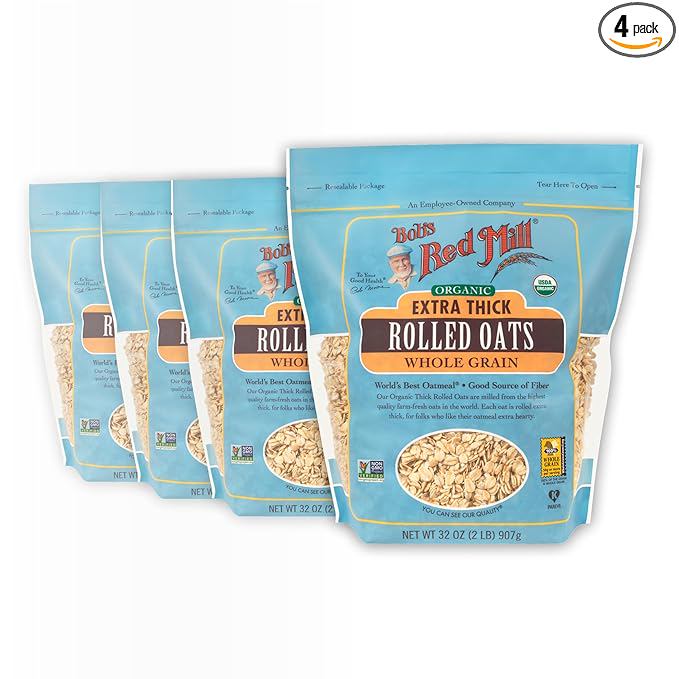
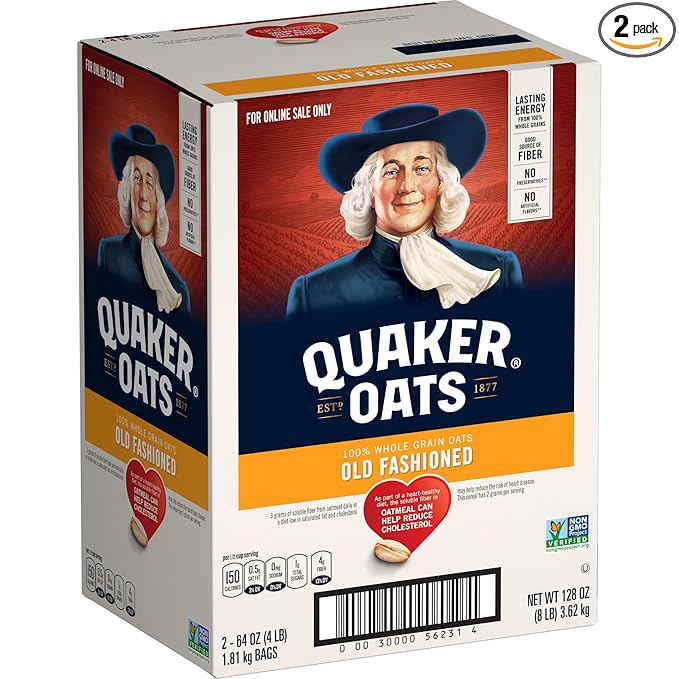
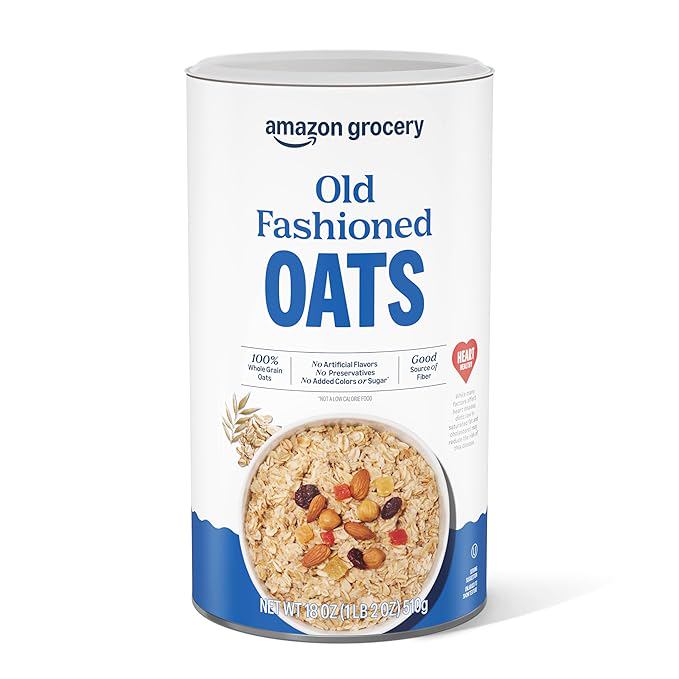
Refined carbs spike blood sugar and insulin. Whole grains do the opposite. Quinoa, steel-cut oats, barley, and brown rice deliver sustained energy plus B vitamins and magnesium. The soluble fiber in oats (beta-glucan) is especially effective at lowering insulin levels over time. Whole grains also support the production of sex hormone-binding globulin (SHBG), a protein that mops up free testosterone in the bloodstream. When testosterone is bound to SHBG, it is less able to contribute to symptoms like hair thinning, acne, and irregular cycles. Swap white rice for quinoa or barley in your next meal.
A note on consistency: Adding these foods gradually, rather than overhauling your entire diet overnight, tends to yield longer-lasting results. Small, sustainable shifts—like swapping one serving of refined carbs for a legume or adding a handful of spinach to your eggs—can cumulatively improve your hormone profile over several months.
While these foods offer targeted benefits, they work best as part of an overall pattern that includes adequate protein at breakfast, regular meal timing, and minimized ultra-processed foods. If you are actively trying to conceive, pairing this nutritional foundation with guidance from a registered dietitian who specializes in reproductive health can help individualize the approach. No food is a magic bullet, but together these eight choices can provide meaningful support for better hormone health and improved fertility outcomes.