

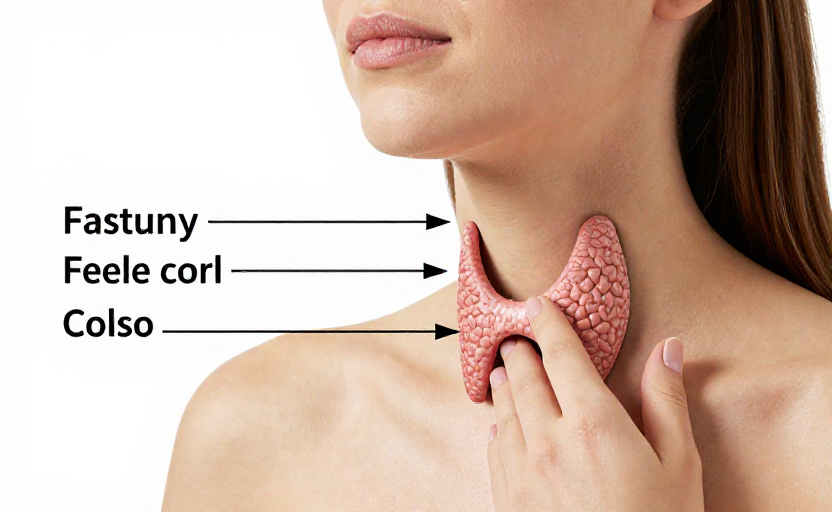
Your thyroid is a small, butterfly-shaped gland in your neck, but its reach is enormous. It produces hormones that regulate your metabolism, heart rate, body temperature, and even your mood. When those hormone levels drift out of their optimal range—whether too high or too low—the effects can ripple through your entire body. Recognizing the early warning signs can help you have a more informed conversation with your healthcare provider.
Here are seven common signals that your thyroid hormone levels may be unbalanced, along with what they might mean and why they matter.
1. Unexplained Fatigue or Persistent Lethargy
Feeling tired after a poor night's sleep is normal, but a deep, bone-weary exhaustion that doesn't improve with rest is a different story. When your thyroid is underactive (hypothyroidism), your metabolism slows down, leaving you feeling sluggish and mentally foggy. On the flip side, an overactive thyroid (hyperthyroidism) can also disrupt sleep and leave you feeling wired but drained.
Pay attention if you find yourself relying on multiple cups of coffee just to get through the day, or if even simple tasks feel exhausting.
2. Sudden, Unintentional Weight Changes
Your metabolism is largely controlled by thyroid hormones. If you're eating the same way but the number on the scale is dropping or climbing quickly, your thyroid may be involved. With hypothyroidism, a slowed metabolism often leads to weight gain that's hard to explain. With hyperthyroidism, your body burns calories faster, sometimes causing unexpected weight loss even when your appetite increases.
3. Feeling Unusually Hot or Cold
Your thyroid helps regulate your internal thermostat. If you're constantly cold when others are comfortable, or if you're sweating when everyone else feels fine, it's worth noting. Hypothyroid individuals often feel chilly, especially in their hands and feet. Hyperthyroid people tend to feel overheated and intolerant of warm environments.
This isn't just a preference—it's your body signaling a shift in metabolic heat production.
4. Changes in Heart Rate or Rhythm
Your heart is highly sensitive to thyroid hormone. An overactive thyroid can make your heart beat faster, harder, or feel like it's skipping a beat (palpitations). An underactive thyroid typically slows the heart rate, which can contribute to fatigue and lightheadedness. If you notice a new sensation of a racing or irregular heartbeat—especially at rest—it's a red flag that deserves medical attention.
5. Mood Swings, Anxiety, or Depression
Thyroid hormones affect brain chemistry and neurotransmitter function. Hyperthyroidism can mimic anxiety: restlessness, irritability, nervousness, and difficulty concentrating. Hypothyroidism often presents as low mood, brain fog, memory lapses, or a flat emotional state that can look like depression. Because these symptoms overlap with mental health conditions, a simple thyroid blood test can rule out a hormonal cause before starting any treatment.
6. Skin, Hair, and Nail Changes
Your hair and skin are rapid-turnover tissues that reflect your internal health. Hypothyroidism can cause dry, rough skin, brittle nails, and hair that thins or falls out more than usual. Your eyebrows may thin noticeably at the outer edges. Hyperthyroidism can lead to thinning hair overall, as well as warm, moist, or flushed skin. If you notice these changes alongside other symptoms, your thyroid could be the underlying factor.
7. Swelling or Discomfort in the Neck
A goiter—an enlarged thyroid gland—can cause a visible swelling at the base of your neck. It may feel like a lump or a feeling of tightness, pressure, or discomfort when swallowing or wearing a tight collar. While not everyone with a thyroid imbalance develops a goiter, its presence strongly suggests that your thyroid is under stress, whether from autoimmune disease, iodine issues, or hormonal dysregulation.
What to Do If You Suspect a Thyroid Imbalance
If several of these signs sound familiar, it's appropriate to mention them to your primary care provider. A standard thyroid panel usually includes TSH (thyroid-stimulating hormone), T4, and sometimes T3 and antibody tests. These labs, combined with your symptoms, paint a clear picture.
Remember that many of these symptoms—fatigue, weight changes, mood shifts—can also stem from stress, poor sleep, nutritional deficiencies, or other medical conditions. Thyroid dysfunction is only one possible cause. However, because untreated thyroid imbalances can affect your heart, bones, and mental health over time, it's worth investigating sooner rather than later.
Your body sends signals every day. Learning to read them—and knowing when to ask for help—is one of the most empowering steps you can take for your long-term health.








