If you’re living with Hashimoto’s thyroiditis, you already know it’s not just about your thyroid. This autoimmune condition often has a deep conversation with your gut. For many people, the same immune system that mistakenly attacks the thyroid also gets tangled up with the lining of the digestive tract, leading to leaky gut, bloating, and inflammation. That’s where food becomes a daily tool, not just fuel.
The idea isn’t to chase a restrictive “perfect” diet. Instead, it’s about consistently choosing foods that calm inflammation, support the gut barrier, and give your thyroid the nutrients it craves. Here are seven thyroid-friendly foods that do exactly that, with a focus on how they help your gut handle Hashimoto’s better.
Why your gut matters in Hashimoto’s
Around 70 percent of your immune system lives in your gut. When the gut lining becomes permeable—commonly called leaky gut—larger food particles and toxins can slip into your bloodstream. Your immune system sees these as invaders and fires up antibodies. In Hashimoto’s, those antibodies can also target your thyroid tissue.
By choosing foods that strengthen the gut lining and feed beneficial bacteria, you’re essentially helping your immune system be less reactive. That can mean fewer flare-ups, better nutrient absorption for thyroid hormone production, and less brain fog or fatigue.
1. Bone broth — collagen for the gut lining
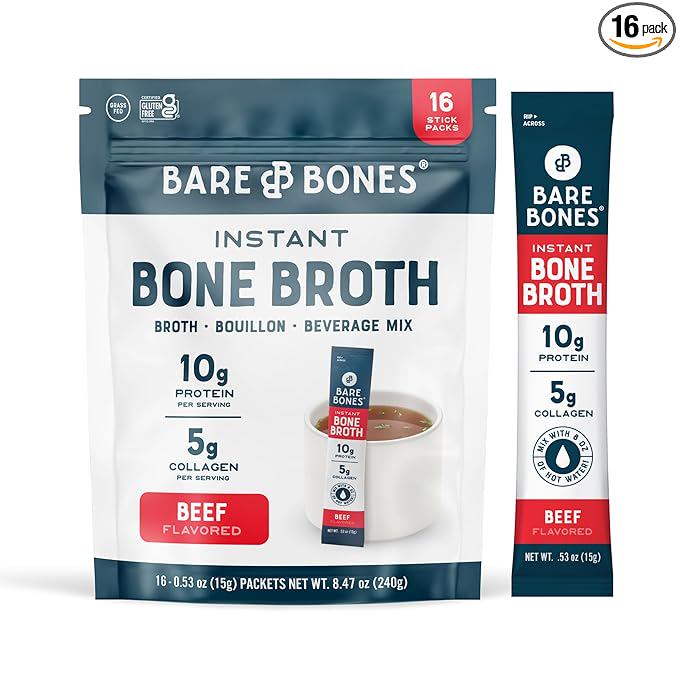
Bone broth is rich in collagen and gelatin, two proteins that support the integrity of your intestinal lining. The amino acid glutamine found in bone broth is particularly helpful for healing the tight junctions between gut cells. Think of it as patching tiny holes in a fence that keeps undigested food out of your bloodstream.
How to use it: Sip a warm cup as a morning beverage, or use it as a base for soups and stews. Look for broth made from organic chicken or grass-fed beef bones, and don’t worry about the gelatinous texture—that’s a sign of good quality.
2. Leafy greens — magnesium and fiber
Spinach, Swiss chard, kale, and arugula provide two things Hashimoto’s guts often lack: magnesium and soluble fiber. Magnesium is a cofactor for thyroid hormone production and also helps relax the digestive muscles, easing constipation. The fiber feeds your gut microbiome, promoting a diverse community of bacteria that keeps inflammation in check.
A note on oxalates: Some people with Hashimoto’s are sensitive to oxalates found in high amounts in spinach and chard. If you notice bloating or joint pain after eating these, try lightly steaming them. Cooking reduces oxalate content and makes the greens easier to digest.
3. Wild-caught salmon — omega-3s to cool inflammation
Salmon and other fatty fish are among the best sources of EPA and DHA, two omega-3 fatty acids that directly lower inflammatory signals in the body. For Hashimoto’s, this means less immune-mediated attack on the thyroid and less gut inflammation overall. Omega-3s also help strengthen the gut barrier by increasing the production of anti-inflammatory compounds called resolvins.
How to use it: Aim for two servings per week. Canned wild salmon works well for salads or patties if fresh is not available. Avoid farmed salmon when possible, as its inflammatory omega-6 profile can be higher.
4. Ginger and turmeric — a gut-healing duo
These two spices are potent anti-inflammatories that have been studied specifically for their effects on the gut. Ginger reduces nausea and gut permeability, while curcumin in turmeric inhibits the NF-kB pathway, a key driver of autoimmune inflammation. Together, they can help calm the immune reaction that triggers Hashimoto’s flares.
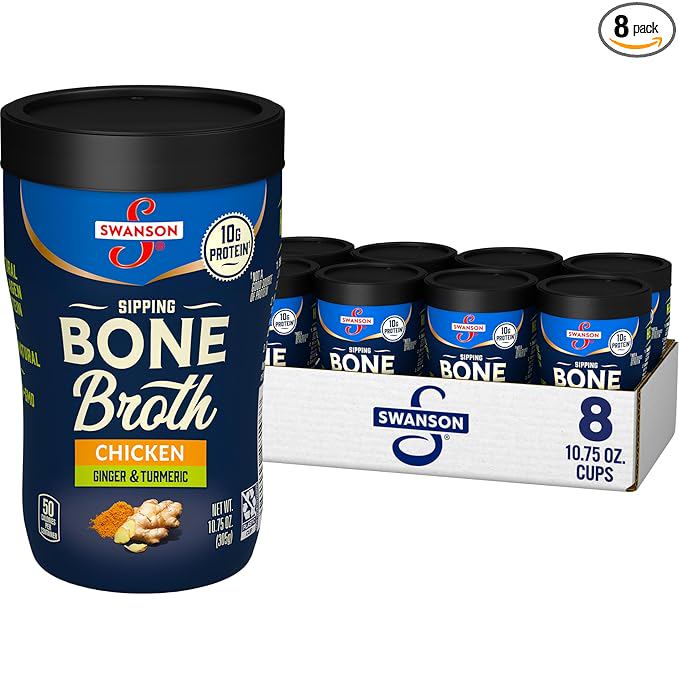
How to use it: Steep fresh ginger slices and turmeric root in hot water for a gentle tea. Add a pinch of black pepper to turmeric, which increases curcumin absorption by up to 2000 percent.
5. Sauerkraut or kimchi — live probiotics
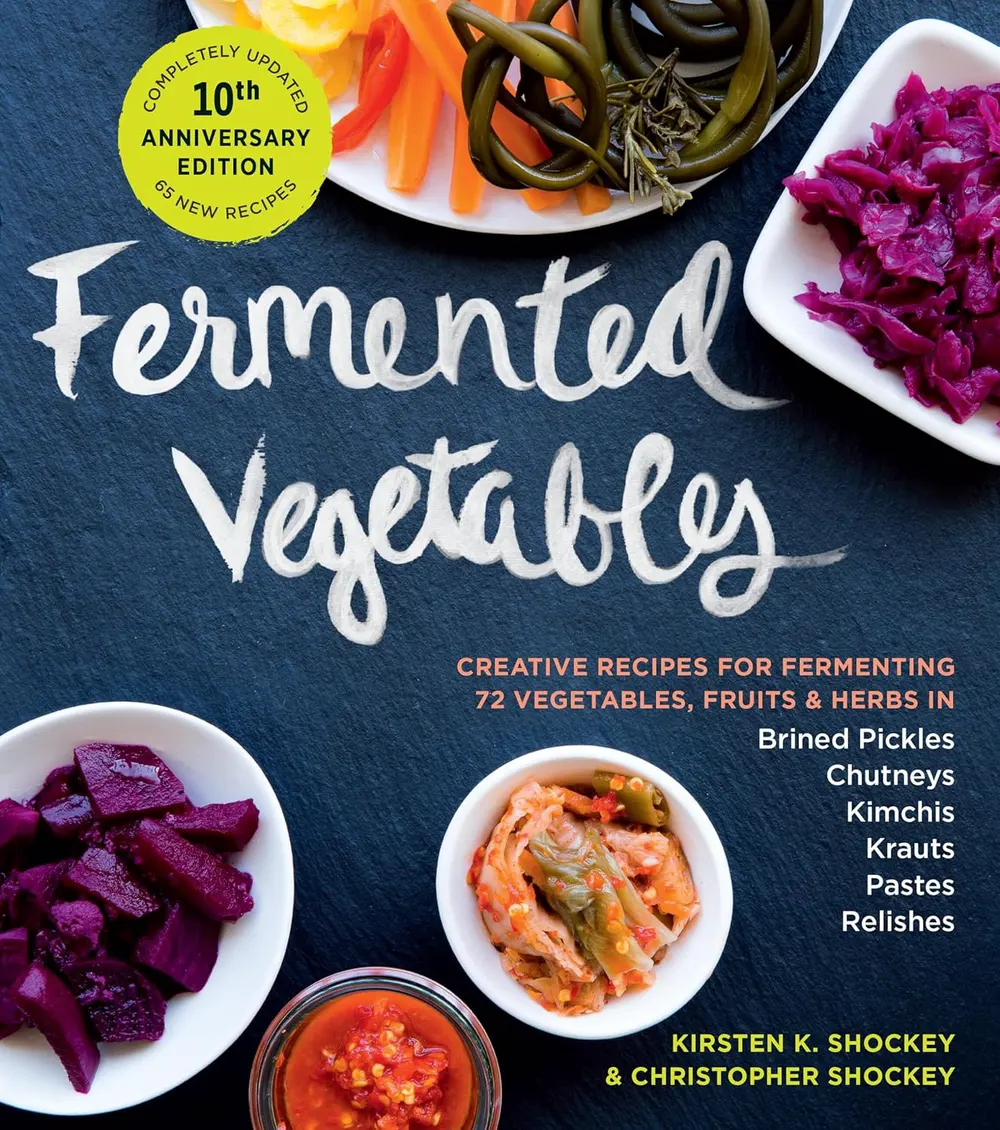
Fermented vegetables deliver live Lactobacillus bacteria that can help rebalance a gut microbiome disrupted by Hashimoto’s. A healthy microbiome helps regulate the immune system and may reduce the production of thyroid antibodies over time. The fermentation process also breaks down antinutrients, making the vegetables themselves easier to digest.
How to use it: A tablespoon of sauerkraut or kimchi as a side dish is enough. Look for unpasteurized brands in the refrigerated section—heat kills the probiotics. If you’re sensitive to histamines, start with a small amount and see how you feel.
6. Cooked sweet potatoes — gentle carbs for thyroid hormones
Thyroid hormones require adequate carbohydrate intake for proper conversion. Sweet potatoes provide complex carbs along with beta-carotene, which the body converts to vitamin A—a nutrient essential for thyroid receptor function. Cooked sweet potatoes are also gentle on the gut because the cooking process neutralizes compounds that might irritate a sensitive digestive tract.
How to use it: Roast cubes of sweet potato with olive oil and rosemary, or mash them as a side dish. Leave the skin on for extra fiber if your gut tolerates it.
7. Brazil nuts — selenium for thyroid conversion
Just one Brazil nut contains more than the daily requirement of selenium, a trace mineral that helps convert T4 (the inactive thyroid hormone) into T3 (the active form). Selenium also reduces thyroid antibodies and protects the thyroid gland from oxidative damage. For the gut, it supports the synthesis of glutathione, which is vital for repairing the gut lining.
Caution: Eat only one to three Brazil nuts per day. Selenium toxicity is real, and these nuts are extremely high in it. Don’t snack on a handful.
Putting it all together: an eating rhythm, not a prescription
These seven foods don’t need to become a rigid checklist. Start by adding one or two that feel doable. Maybe you swap your afternoon snack for a few Brazil nuts and a cup of ginger turmeric tea. Or you begin dinner with a small side of sauerkraut and leafy greens.
The goal is to create a pattern of eating that consistently supports your gut lining, feeds your microbiome, and gives your thyroid the raw materials it needs. Over weeks and months, this can translate to steadier energy, less digestive upset, and fewer Hashimoto’s flares.
Listen to your body. If a food doesn’t agree with you despite being “good for Hashimoto’s,” set it aside. Your gut knows best.