
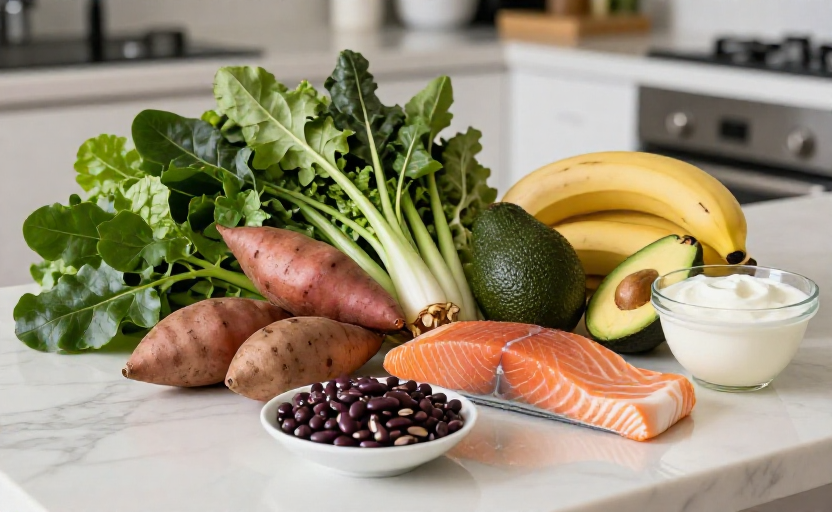
When it comes to managing blood pressure, the conversation often centers on what to limit—sodium, processed foods, alcohol. But there’s another, more nourishing side to the story: what to add to your plate. Potassium plays a crucial, yet frequently overlooked, role in helping your body maintain a healthy fluid balance and easing tension in blood vessel walls. It’s a natural partner to sodium in regulating blood pressure, and many of us simply don’t get enough.
Focusing on whole foods rich in this essential mineral is a supportive, foundational step for heart health. The following foods are not just potassium powerhouses; they come bundled with fiber, antioxidants, and other nutrients that work together. Think of them as delicious building blocks for a heart-friendly pattern of eating.
Why does potassium matter for blood pressure?
Potassium is an electrolyte, a mineral that carries an electrical charge when dissolved in your body’s fluids. Its relationship with sodium is key. Sodium holds onto water outside your cells, which can increase fluid volume in your bloodstream and pressure on vessel walls. Potassium helps counter this by promoting the excretion of sodium through urine and helping to relax blood vessels.
When potassium intake is sufficient, it supports a delicate balance that allows blood vessels to dilate slightly, reducing resistance and, consequently, pressure. The Dietary Approaches to Stop Hypertension (DASH) eating plan, which is specifically designed to support healthy blood pressure, emphasizes fruits, vegetables, and low-fat dairy—all groups naturally high in potassium.
Aim for variety. No single food is a magic bullet, but consistently including potassium-rich choices can be a meaningful part of a heart-healthy lifestyle.
Top food sources of potassium
Incorporating more potassium doesn’t require exotic ingredients or complicated recipes. Some of the best sources are everyday staples. Here are seven excellent choices to consider weaving into your weekly meals.
1. Leafy greens (like spinach and Swiss chard)
Dark leafy greens are nutritional multitaskers. A cup of cooked spinach provides a significant amount of potassium, along with magnesium and blood-pressure-friendly nitrates. Whether sautéed as a side, blended into a smoothie, or folded into an omelet, they add a nutrient-dense boost. Swiss chard, with its colorful stems, offers a similar profile and a slightly earthy, sweet flavor.
2. Sweet potatoes
Swapping a regular potato for a baked sweet potato is a simple swap with a big potassium payoff. The vibrant orange flesh is also rich in beta-carotene and fiber. Enjoy it baked with a sprinkle of cinnamon, mashed, or cubed and roasted with olive oil and herbs for a satisfying side dish.
3. Beans and lentils
From black beans and kidney beans to chickpeas and lentils, this category is a cornerstone of heart-healthy eating. They are exceptional sources of both potassium and fiber, which together support cardiovascular health. Add them to soups, salads, and grain bowls, or blend them into dips like hummus.
4. Avocados
Avocados are famously rich in healthy fats, but they’re also a remarkable source of potassium. Adding a few slices to a sandwich or salad, or mashing some onto whole-grain toast, is an easy way to increase your intake. Their creamy texture and mild flavor make them incredibly versatile.
5. Bananas
The classic potassium reference for good reason, a medium banana offers a convenient, portable package of this mineral. It’s a perfect on-the-go snack, a natural sweetener for oatmeal or yogurt, and a great addition to smoothies for creaminess and nutrition.
6. Salmon and other fatty fish
Wild-caught salmon, mackerel, and halibut are not only excellent sources of omega-3 fatty acids but also provide a good amount of potassium. Aiming for two servings of fatty fish per week supports heart health from multiple angles—managing inflammation, supporting healthy cholesterol levels, and contributing to mineral balance.
7. Plain yogurt
Dairy products like plain, unsweetened yogurt are potent potassium sources. Opt for the plain variety to avoid added sugars, and top it with fresh fruit and a sprinkle of nuts for extra fiber and healthy fats. It makes for a balanced breakfast or snack that supports satiety and nutrient intake.
How to incorporate these foods thoughtfully
Shifting your eating pattern is more sustainable than focusing on individual “superfoods.” Start with one or two changes. Could you add a side salad with leafy greens to dinner a few nights a week? Swap your afternoon snack for a banana with a spoonful of nut butter? Choose a bean-based soup for lunch?
Preparation matters, too. Steaming, roasting, or sautéing vegetables preserves more potassium than boiling, which can leach the mineral into the cooking water. When using canned beans or lentils, rinsing them thoroughly can reduce added sodium by nearly half.
It’s also wise to be mindful of portions and overall balance. While getting potassium from food is generally safe for people with healthy kidney function, those with specific kidney conditions need to monitor potassium intake closely and should consult with a healthcare provider for personalized guidance.
A supportive approach, not a replacement
Increasing dietary potassium is one supportive element within a broader heart-healthy lifestyle that includes regular physical activity, stress management, adequate sleep, and limiting processed foods high in sodium and unhealthy fats. It is not a substitute for prescribed medication or medical advice.
If you have been diagnosed with high blood pressure or have concerns about your heart health, have a conversation with your doctor or a registered dietitian. They can help you create an eating plan that’s right for you, considering your overall health, medications, and personal preferences. Nourishing your body with these whole foods is a positive, proactive step you can take, building a solid foundation for long-term wellness.