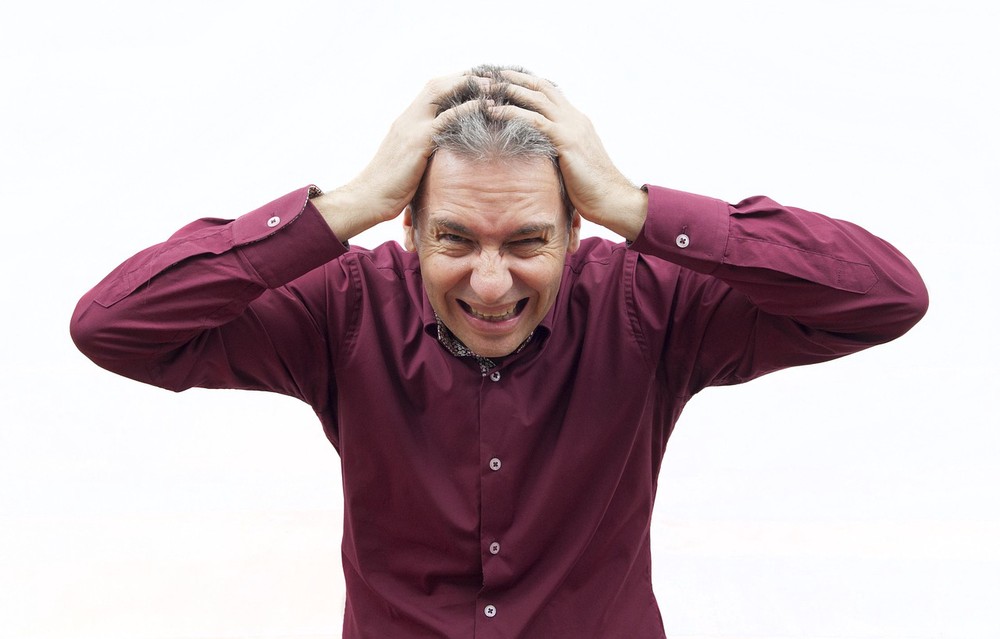
Stress doesn’t just live in your head. It settles into your shoulders, clamps down on your jaw, and knots up the space between your shoulder blades. If you have been waking up with a sore neck, grinding your teeth at night, or feeling a dull ache across your lower back for no clear reason, your nervous system is likely holding onto tension that your body can no longer brush off.
Chronic muscle tension from stress is your body’s way of staying on alert. The problem is that when the stressor passes but the tension remains, those tight muscles can trigger headaches, restrict movement, and even disrupt sleep. Below are seven physical signs that stress-related muscle tension has moved from annoying to worth paying attention to.
1. Persistent neck and shoulder stiffness
This is the classic stress posture. When you are anxious or overwhelmed, your shoulders tend to creep up toward your ears. Over hours and days, the trapezius muscles stay partially contracted, leading to a sensation of heavy, tight shoulders and a stiff neck that makes turning your head uncomfortable. If the tightness persists, it can compress nerves and lead to tingling down the arm.
2. Tension headaches that start at the back of the head
Unlike migraine, a tension-type headache feels like a band of pressure squeezing around your head, often starting at the base of the skull. This happens when tight suboccipital muscles irritate the nerves that run up into the scalp. If you notice that these headaches come on during stressful afternoons or after sitting hunched at a desk, muscle tension is likely the driver.
3. Jaw clenching or tooth grinding (bruxism)
Many people clench their jaw during the day or grind their teeth at night without realizing it. The masseter and temporalis muscles become overworked, leading to sore jaws, sensitive teeth, and even ear pain. Over time, chronic clenching can lead to dental damage and temporomandibular joint (TMJ) dysfunction. A common clue: waking up with your teeth pressed tightly together or your jaw feeling tired.
4. Lower back pain with no physical injury
Your back muscles react to emotional stress just as they do to physical threat — by bracing for impact. The erector spinae and quadratus lumborum muscles in the lower back can stay partially contracted for hours, leading to a deep ache that doesn't improve with stretching. If your lower back hurts more during periods of high stress and less during vacations or weekends, tension is the likely culprit.
5. Tight chest or shallow breathing
Anxiety triggers the accessory breathing muscles in your neck and chest, encouraging short, shallow breaths. Over time, the intercostal muscles between the ribs and the pectoral muscles can become chronically tight, creating a sensation of pressure or tightness in the chest. This is often mistaken for heart issues, but a physical exam can usually differentiate benign muscle tension from cardiac problems.
6. Frequent eye strain or brow tension
When you are stressed, you may unconsciously squint or furrow your brows, creating tension in the frontalis and corrugator muscles around the forehead and eyes. This can lead to eye fatigue, brow ache, and a feeling of heaviness above the eyes — especially after long periods of screen time or concentration.
7. Unexplained muscle twitching or trembling
Low-level, persistent muscle tension can cause fasciculations — small, involuntary twitches in muscles like the eyelids, calves, or hands. These are generally harmless but can be unnerving. They occur when overworked motor units fire randomly due to fatigue and electrolyte imbalances from stress-induced hyperventilation or poor sleep.
What to do about it
If any of these symptoms sound familiar, the first step is acknowledging that your body is carrying a load your mind has been trying to manage alone. Simple interventions can help: heat packs for tight shoulders, jaw massage, diaphragmatic breathing, and scheduled posture breaks. Gentle stretching of the neck, chest, and lower back can also release accumulated tension.
However, if muscle tension is interfering with sleep, causing daily pain, or not improving with self-care, it is reasonable to check in with a healthcare provider. Physical therapy, massage therapy, or stress-management counseling can address both the muscular and emotional sides of the loop. You do not need to live with chronic tension — but you also cannot ignore the signals your body is sending.