What you choose for breakfast can set the tone for your entire day, and for your heart health, that first meal carries particular weight. Cardiologists often point to the morning as a critical window for making choices that support cardiovascular function, manage blood pressure, and provide sustained energy without spiking blood sugar. The goal isn't a restrictive diet, but rather a pattern of eating that nourishes and protects your heart over the long term.
Building a heart-smart breakfast doesn't require exotic ingredients. It's about leaning into whole, minimally processed foods that deliver a powerful combination of fiber, healthy fats, vitamins, and antioxidants. These are the everyday foods that consistently appear on the plates of those who prioritize cardiovascular wellness.
What makes a food "heart-healthy"?
Before we look at specific foods, it helps to understand what cardiologists are looking for. Heart-supportive foods typically share a few key traits. They are often rich in fiber, which helps manage cholesterol levels and blood sugar. They provide healthy fats like monounsaturated and omega-3 fatty acids, which can reduce inflammation and support healthy blood vessels. They are also packed with antioxidants and minerals like potassium and magnesium, which help regulate blood pressure. Finally, they tend to be low in added sugars, sodium, and saturated fats—the elements that can work against heart health when consumed in excess.
Foods to start your day with
With those principles in mind, here are seven morning staples that align with cardiologists' advice for a healthier heart.
Oats and whole grains
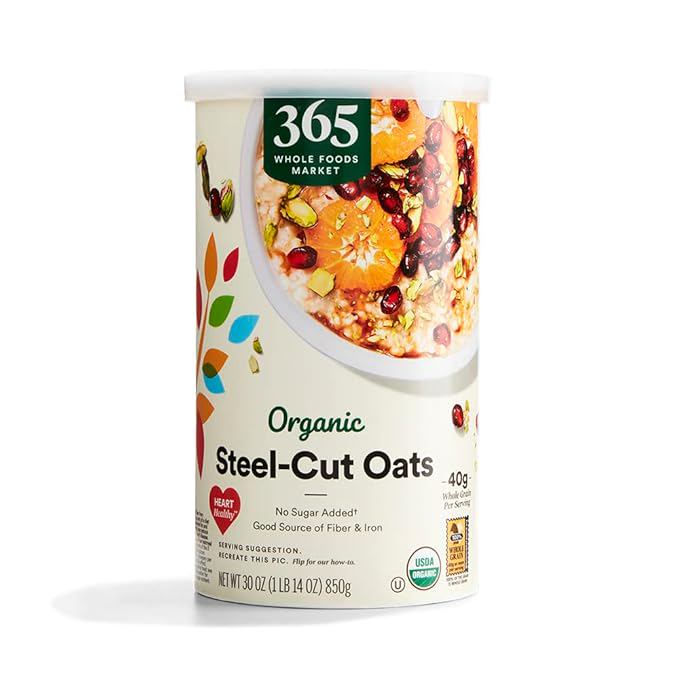
A bowl of oatmeal is a classic for good reason. Oats are an excellent source of soluble fiber, specifically a type called beta-glucan. This fiber acts like a sponge in your digestive tract, binding to cholesterol and helping to remove it from your body. Starting your day with oats can contribute to lower LDL (often called "bad") cholesterol levels. The key is to choose old-fashioned or steel-cut oats over instant varieties, which often have added sugar. You can extend this principle to other whole grains like quinoa or barley for a savory breakfast bowl.
Tip: Prepare a large batch of steel-cut oats on Sunday for quick reheating throughout the week. Top with berries and a sprinkle of nuts for added benefits.
Berries
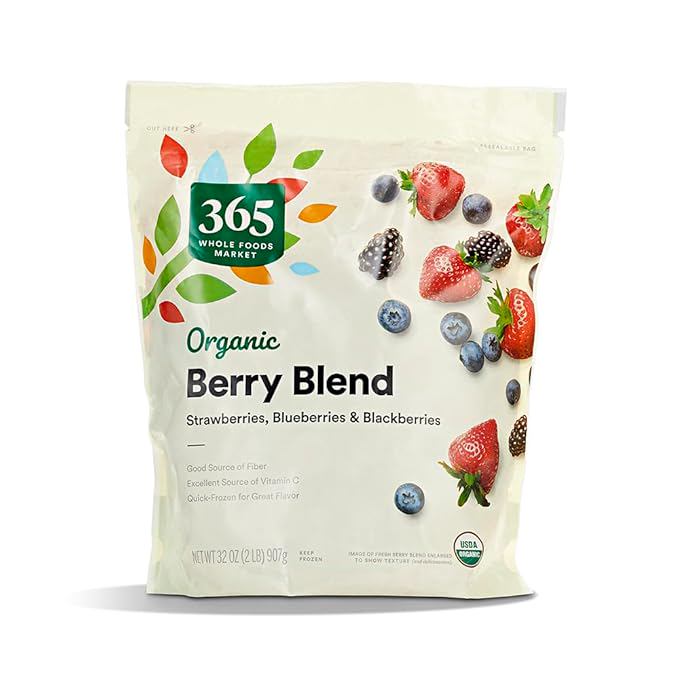
Blueberries, strawberries, raspberries, and blackberries are little powerhouses of heart protection. They are loaded with antioxidants like anthocyanins, which give them their vibrant colors. These compounds help reduce oxidative stress and inflammation, two key players in the development of heart disease. Berries are also high in fiber and vitamin C while being relatively low in sugar compared to other fruits. Tossing a handful into your yogurt, oatmeal, or smoothie is an easy win for your cardiovascular system.
Nuts and seeds
A small handful of walnuts, almonds, flaxseeds, or chia seeds can significantly boost the heart-health profile of your breakfast. Walnuts are uniquely high in plant-based omega-3 fatty acids (ALA). Almonds provide vitamin E and healthy fats. Chia and flax seeds are rich in both soluble fiber and omega-3s.
Because nuts and seeds are calorie-dense, a little goes a long way. Think of them as a garnish or a mix-in rather than a main portion.
- Walnuts: Support healthy cholesterol and reduce inflammation.
- Almonds: Provide magnesium for blood pressure regulation.
- Chia/Flax: Offer fiber for satiety and cholesterol management.
Greek yogurt
Opting for plain, unsweetened Greek yogurt provides a double benefit: high-quality protein and probiotics. The protein helps you feel full and can prevent mid-morning cravings for less healthy options. The probiotics support a healthy gut microbiome, which emerging research suggests is linked to reduced inflammation and better heart health. Be sure to choose plain varieties and sweeten them yourself with fruit or a drizzle of honey to avoid the high sugar content of flavored yogurts.
Avocado
Avocado toast has become a modern breakfast staple, and cardiologists often approve. Avocados are rich in monounsaturated fats, which can help lower LDL cholesterol while raising HDL ("good") cholesterol. They're also a great source of potassium, a mineral essential for managing blood pressure. Spread it on whole-grain toast instead of butter or cream cheese for a heart-smart swap that provides healthy fats and fiber.
Leafy greens
It might seem unusual, but adding spinach, kale, or Swiss chard to your morning is a brilliant move. These greens are packed with potassium, magnesium, folate, and nitrates—all nutrients that help relax blood vessels, lower blood pressure, and improve arterial function. They're easy to blend into a smoothie, wilt into scrambled eggs, or add to an omelet.
Green tea
While not a food, your morning beverage choice matters. Swapping a sugary juice or a cream-heavy coffee for a cup of green tea provides catechins, a type of antioxidant. These compounds may help improve the function of the lining of your blood vessels and have been associated with modest improvements in cholesterol levels. It’s a simple, calming ritual that supports cardiovascular health.
Building your heart-healthy plate
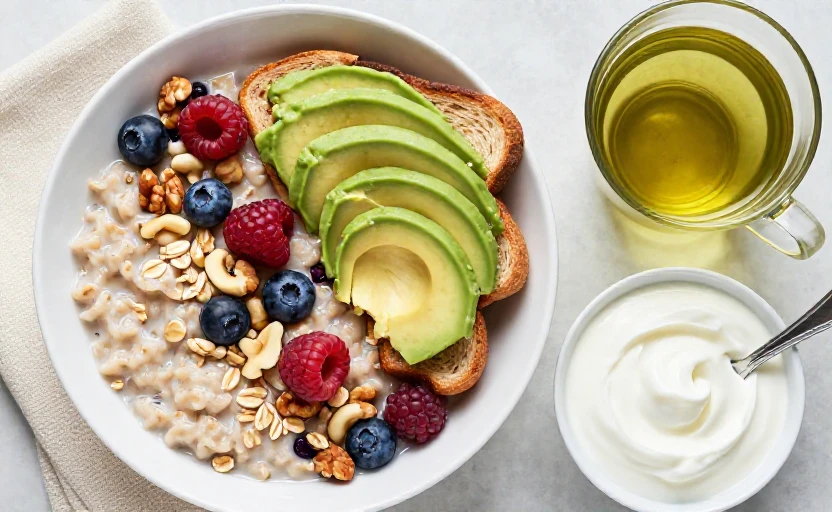
The magic often happens in combination. A breakfast that pairs several of these elements creates a synergistic effect for your heart. Imagine a bowl of steel-cut oats topped with blueberries and walnuts. Or two scrambled eggs with spinach and avocado on whole-grain toast, followed by a cup of green tea. These meals balance macronutrients, flood your system with protective compounds, and provide steady energy.
The consistent theme is whole, minimally processed foods. By making these foods the foundation of your morning routine, you’re taking a proactive, positive step in caring for your heart—one delicious breakfast at a time.
Remember, dietary changes are one part of a holistic approach to heart health, which also includes regular physical activity, stress management, and not smoking. If you have specific cardiovascular concerns, a conversation with your doctor or a registered dietitian can help you tailor these general principles to your personal needs.