For many people with PCOS, the idea of intense exercise can feel overwhelming or even counterproductive. Between fatigue, inflammation, and the stress that elevated cortisol can bring, pushing yourself into a high-intensity interval training (HIIT) session might actually work against your hormonal goals. The good news is that a growing body of evidence suggests that low-impact, steady-state movement can be exceptionally effective at improving insulin sensitivity, reducing stress hormones, and supporting better cycle regulation.
What makes low-impact exercise so powerful for PCOS is that it strikes at two key drivers of the condition: insulin resistance and chronic low-grade inflammation. By moving your body without spiking cortisol, you give your system a chance to restore communication between your brain, ovaries, and metabolism. Here are seven exercises that are gentle on your joints and nervous system but serious about helping restore hormonal balance.
1. Brisk walking with a purpose
Walking is far from a "beginner" exercise — it is arguably one of the most therapeutic movements for PCOS. A consistent 30- to 45-minute walk can reduce blood glucose spikes after meals and lower circulating insulin levels. To get hormonal benefits, focus on a pace that allows you to hold a conversation but still feel slightly challenged. Morning walks, in particular, can help regulate your circadian rhythm, which plays a direct role in hormone production. If you are just starting, even 15 minutes after dinner can make a measurable difference in next-day fasting glucose.
2. Slow, controlled strength training
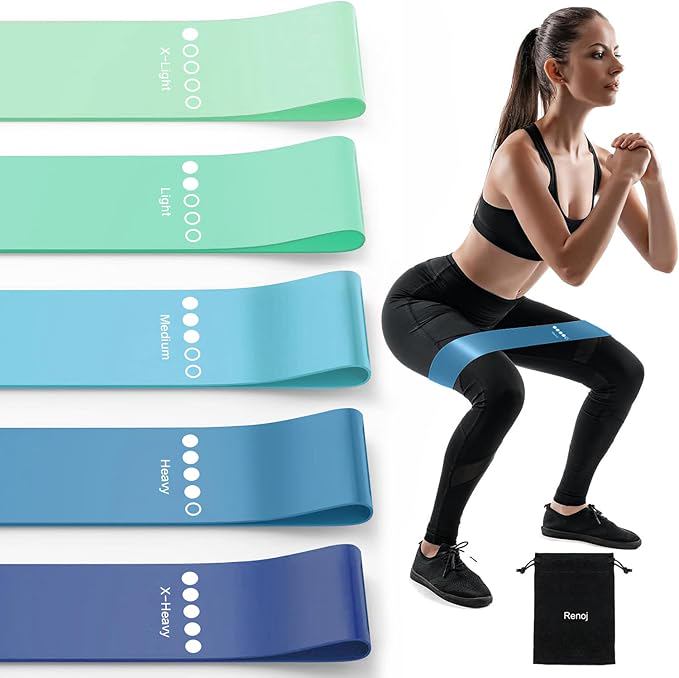
Building lean muscle is one of the best ways to improve insulin sensitivity because muscle tissue acts like a sponge for glucose. But the key word here is "slow." Heavy explosive lifting can spike cortisol, while controlled resistance work — think bodyweight squats, dumbbell rows, or glute bridges done with a 3- to 4-second eccentric phase — signals your body to build strength without triggering a stress response. Aim for two full-body sessions per week, focusing on compound movements that recruit multiple joints. You do not need to go to failure; stopping one or two reps before failure keeps the hormonal environment calm.
3. Pilates (mat or reformer)
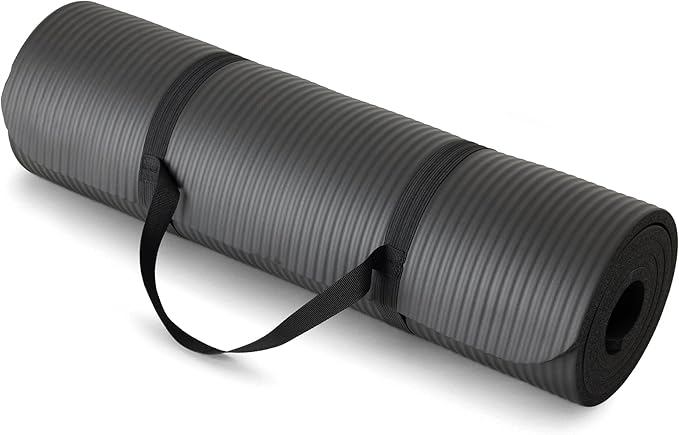
Pilates is uniquely suited for PCOS because it combines core stability, breath control, and low-impact strength. The emphasis on pelvic floor and deep abdominal engagement can improve circulation to the reproductive organs. Many women with PCOS also carry tension in their hips and lower back due to chronic stress, and Pilates helps release that holding pattern. A 45-minute mat session or a gentle reformer class can lower cortisol while improving body awareness — both critical for hormone signaling.
A note on breathing: In any exercise, prioritize exhaling fully. Shallow breathing keeps your nervous system in a sympathetic (fight-or-flight) state. Long exhales activate the vagus nerve and signal safety to your endocrine system.
4. Yoga with a focus on the parasympathetic system
Not all yoga is equal for PCOS. Vigorous vinyasa or hot power yoga can raise cortisol and body temperature, which may not be ideal if you are already dealing with adrenal fatigue. Instead, look for styles like Hatha, Yin, or Restorative yoga. Poses that open the hips, such as pigeon pose and bound angle pose, are thought to stimulate the pelvic parasympathetic nerves, which can support ovarian function. Incorporating moon salutations (Chandra Namaskar) instead of sun salutations can also align with the cooling, grounding energy that many PCOS bodies need.
5. Stationary cycling at moderate intensity
Cycling on a stationary bike is a superb way to improve cardiovascular fitness without the joint impact of running. For PCOS, the benefit lies in maintaining a steady heart rate in zone 2 — roughly 60 to 70 percent of your maximum heart rate, where the body primarily burns fat for fuel and improves mitochondrial function. A 30-minute session at a moderate resistance, keeping your cadence around 70 to 90 rpm, can enhance insulin sensitivity without exhausting your adrenal glands. If you are prone to overtraining, set a timer and stop at exactly 30 minutes.
6. Swimming or water aerobics
Water-based exercise provides natural resistance while taking all weight off your joints, making it excellent if you have PCOS-related joint pain or excess body weight. The hydrostatic pressure of water also supports circulation and can reduce the low-grade inflammation common in PCOS. Laps of freestyle or backstroke at a comfortable pace for 20 to 30 minutes can lower fasting insulin levels. For a gentler option, water walking or aqua aerobics classes offer similar hormonal benefits without needing to know proper swimming strokes.
7. Walking lunges and step-ups (bodyweight)
This is a sneaky way to build lower-body strength while keeping your heart rate in a low-impact zone. Walking lunges and step-ups target the glutes, hamstrings, and quadriceps — the largest muscles in the body — which means they have a significant impact on how your body processes glucose. Perform them slowly, holding onto a wall or railing for balance if needed. A set of 10 lunges per leg or 12 step-ups on a low step (6 to 8 inches) will stimulate muscle growth without the destructive inflammation that can come from heavy weightlifting. Do this as a standalone 10-minute circuit twice a week.
The theme across all these exercises is sustainability. The hormonal benefits of exercise do not come from intensity alone; they come from consistency. A moderate walk you do three times a week for the next year will do far more for your PCOS than a brutal workout you quit after three weeks. Listen to your body, work with your menstrual cycle when possible, and consider pairing your movement with adequate protein intake and quality sleep to maximize the hormonal return on your effort.