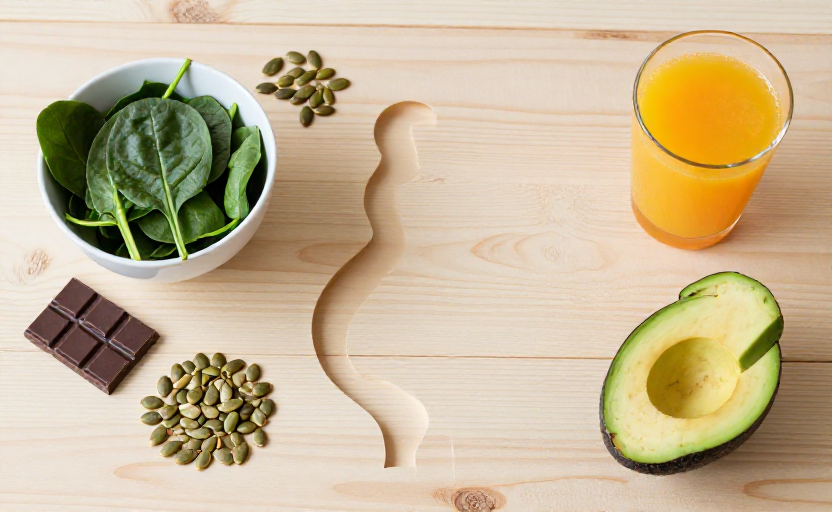
Back pain and low energy are two of the most common complaints during pregnancy, and they often share a surprising root cause: low iron. When you're pregnant, your blood volume nearly doubles to support your growing baby, which means your body needs more iron to produce enough healthy red blood cells. Without it, you can feel sluggish, weak, and even experience muscle aches that make that nagging back pain worse.
Getting more iron through your diet is one of the most straightforward things you can do. The good news is that the right snacks can deliver a meaningful dose of iron while also being gentle on a sensitive stomach. Here are seven iron-rich snacks that target both your energy levels and pregnancy-related back pain, along with a few practical tips for making the iron you eat actually work for your body.
Why Iron Matters for Pregnancy Back Pain and Energy
Iron is the mineral that helps your blood carry oxygen to every cell in your body, including your muscles and tissues. When iron stores drop—which is very common in pregnancy—your muscles don't get enough oxygen. This leads to fatigue and can make ordinary muscle tension feel much sharper, especially in the lower back, which is already strained by your changing center of gravity.
Addressing low iron won't fix structural back pain, but it can resolve the muscle fatigue and poor circulation that amplify discomfort. Pairing iron-rich snacks with regular stretching and proper posture is a practical, low-risk strategy that many women find helpful.
1. Red Meat in Small Portions: Beef or Bison Jerky
Lean beef and bison are packed with heme iron, the type your body absorbs most efficiently. A single ounce of beef jerky provides about 1.5 to 2 milligrams of iron, plus protein to stabilize your blood sugar and keep you full between meals.
Try this: Keep a pack of low-sodium, minimally processed beef or bison jerky in your bag. Pair it with a handful of walnuts or an apple for extra fiber and vitamin C, which boosts iron absorption.
2. Dark Leafy Greens: Spinach and Kale Chips
Spinach and kale are rich in non-heme iron, and one cup of cooked spinach delivers around 6 milligrams. While plant-based iron is less absorbable, you can easily improve uptake by adding vitamin C. Baked kale chips seasoned with lemon juice or a sprinkle of nutritional yeast make a crunchy, satisfying snack.
Tip: Avoid drinking tea or coffee within an hour of eating these greens, as tannins can block iron absorption. Instead, have a small glass of orange juice or a slice of citrus fruit alongside your snack.
Pairing plant iron with vitamin C can increase absorption by as much as six times. Think berries, citrus, bell peppers, or tomatoes.
3. Legume-Based Dips: Lentil or Bean Hummus
Lentils and chickpeas are excellent sources of iron. Half a cup of cooked lentils contains about 3.3 milligrams. Blending them into a smooth dip with lemon juice (more vitamin C!) and tahini makes a creamy snack that feels indulgent without being heavy.
Serving idea: Use bell pepper strips or cucumber slices for dipping instead of pita chips. This keeps the snack hydrating and reduces the risk of heartburn, which is common in later pregnancy.
4. Iron-Fortified Whole Grain Crackers with Pumpkin Seeds
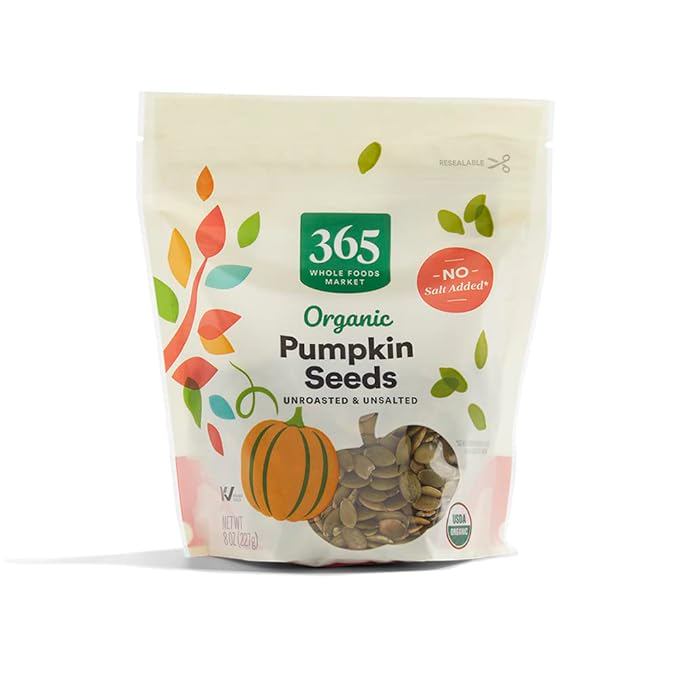
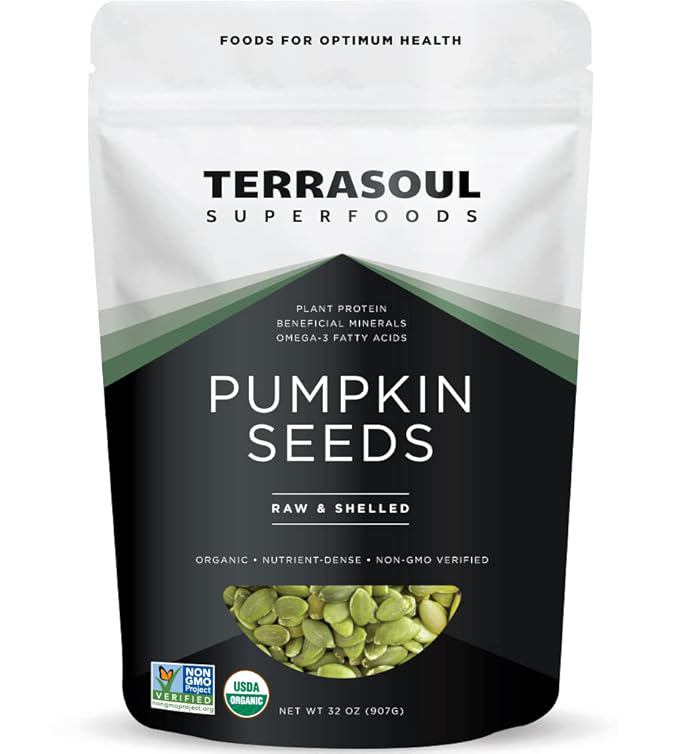
Many whole grain crackers are fortified with iron, offering 2 to 4 milligrams per serving. Top them with a smear of almond butter or a sprinkle of pumpkin seeds, which themselves provide about 2.5 milligrams of iron per quarter-cup.
This combination gives you both quick and sustained energy. The complex carbs support your blood sugar, while the healthy fats in the seeds support joint and muscle comfort.
5. Oatmeal with Dried Apricots and Hemp Seeds
A warm bowl of oatmeal made with rolled oats provides around 2 milligrams of iron per cup. Stir in chopped dried apricots (another 2 milligrams per half-cup) and a tablespoon of hemp seeds for an extra 1 milligram. The fiber helps prevent constipation, a common pregnancy issue that can worsen back and pelvic pain.
Make it portable: Prep overnight oats in small jars. Use oat milk (often fortified with iron), and top with dried fruit and seeds in the morning for a grab-and-go snack.
6. Sardines or Canned Salmon on an Avocado Half
Sardines and salmon are among the few seafood options that are both low in mercury and high in heme iron. Three ounces of canned sardines offer about 2.5 milligrams of iron, plus omega-3 fatty acids that help reduce inflammation and may ease joint and muscle stiffness.
Mash a few sardines onto half an avocado with a squeeze of lime. The healthy fats from the avocado help your body absorb fat-soluble vitamins, and the lime provides vitamin C—a perfect pairing for iron uptake.
7. Dark Chocolate and Black Bean Energy Bites
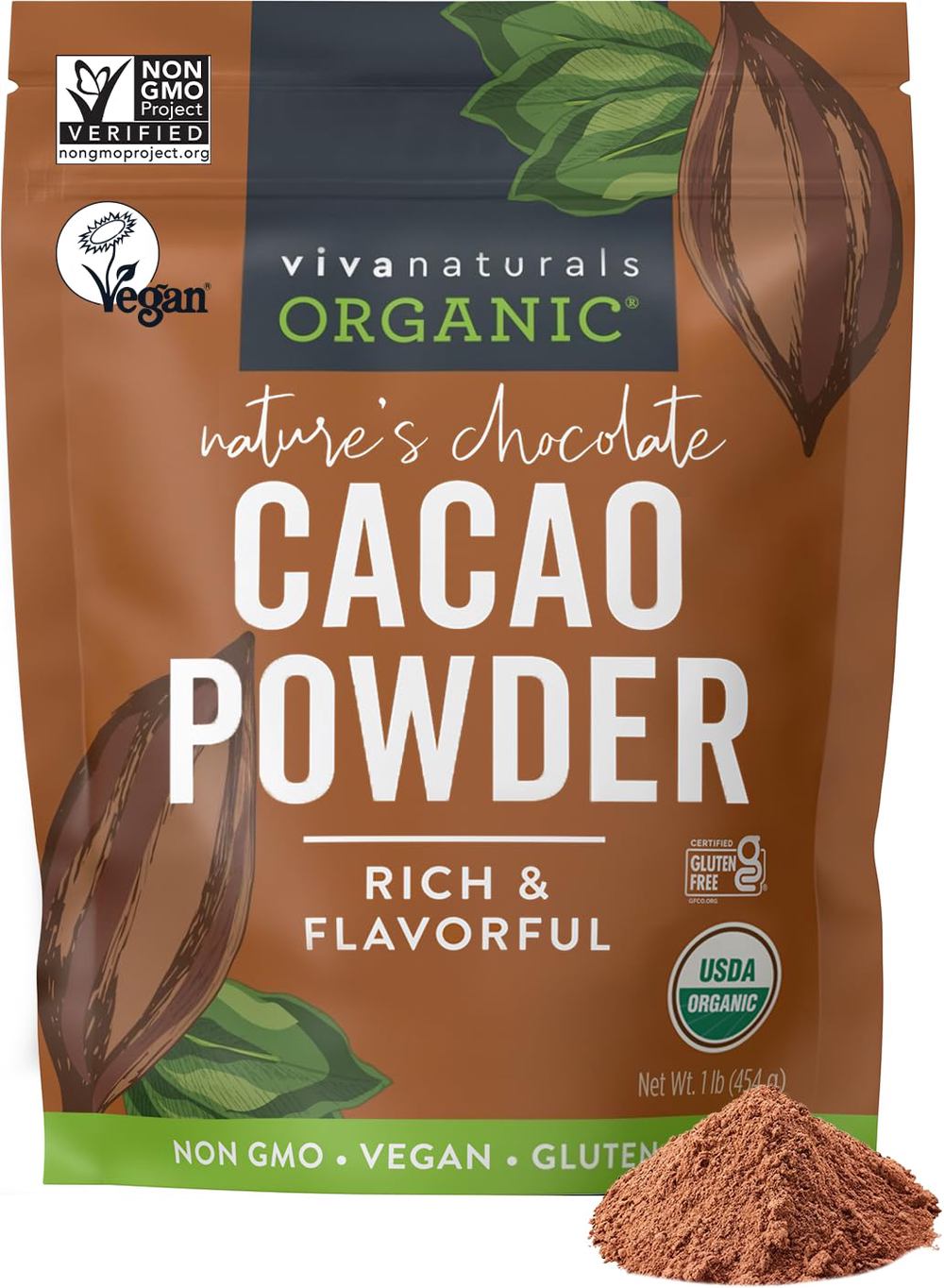
Dark chocolate (70% cacao or higher) contains about 2 to 3 milligrams of iron per ounce. Blend cocoa powder with cooked black beans, dates, and a pinch of sea salt to make no-bake energy balls. The black beans add another 2 milligrams per quarter-cup, plus fiber and protein.
This snack satisfies a sweet tooth while delivering a real mineral boost. Just keep portions small since the calorie and sugar content can add up quickly.
Tips for Making Iron Work Harder
Iron absorption isn't automatic. A few small habits can make a big difference:
- Eat vitamin C alongside iron. Strawberries, citrus, bell peppers, broccoli, and tomatoes all help your body absorb non-heme iron.
- Separate calcium-rich foods. Calcium competes with iron for absorption. If you take a calcium supplement or eat dairy, try to have it at least two hours before or after your iron-rich snack.
- Avoid coffee and tea near meals. The tannins in these drinks can cut iron absorption by up to 80 percent. Wait at least an hour after your snack before drinking them.
- Cook with cast iron. Using a cast iron skillet can add trace amounts of iron to your food, especially when cooking acidic foods like tomato sauce.
When to Talk to Your Provider
Snacking strategically can help, but some women need more support. If you are persistently exhausted, feel short of breath during light activity, or have severe back pain that does not improve with rest and gentle movement, check in with your midwife or obstetrician. A simple blood test can confirm whether you have iron-deficiency anemia, and many women benefit from supplements during the second and third trimesters. Never start supplements without having your iron levels tested first, because excess iron can also be harmful.
Supporting your energy and comfort during pregnancy is a slow, steady process—but choosing the right snacks is one part you can control today. These seven options are simple, accessible, and backed by solid nutrition science that aligns with your body's increased needs.