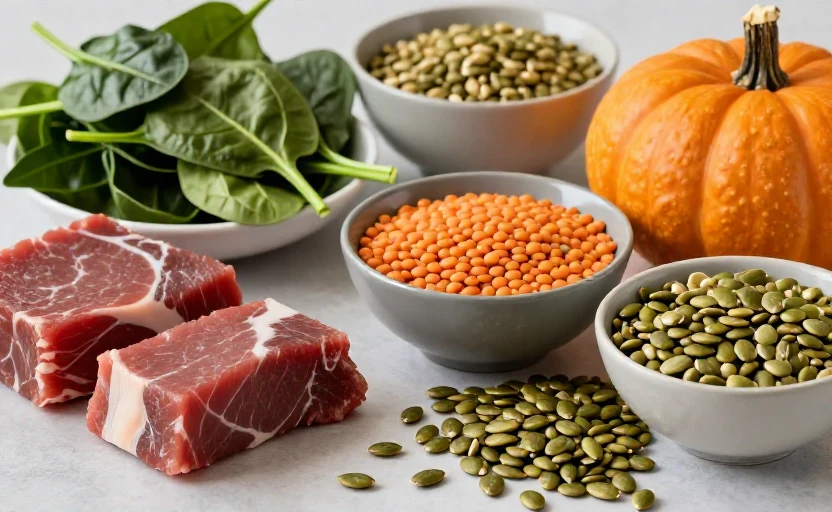
Feeling utterly drained after a heavy period is a common, yet often unspoken, experience. That profound fatigue isn't just in your head—it's a direct signal from your body. During menstruation, you lose blood, and with it, iron. Since iron is essential for producing hemoglobin, the protein that carries oxygen in your red blood cells, a dip can leave you feeling sluggish, foggy, and short of breath. The good news is that you can actively support your body's recovery by refueling with the right nutrients.
Focusing on iron-rich foods is one of the most effective ways to help rebuild your iron stores and restore your energy levels. Not all iron is created equal, however. There are two main types: heme iron, found in animal products, which is more easily absorbed by the body; and non-heme iron, found in plant sources, which is still valuable but benefits from being paired with vitamin C to boost absorption. Here are seven excellent foods to incorporate into your meals to help you bounce back.
1. Lean Red Meat
Beef, lamb, and venison are among the richest sources of heme iron. A modest serving of lean sirloin or ground beef can provide a significant portion of your daily iron needs. Opting for lean cuts helps you get the benefit of the iron while managing saturated fat intake.
Pair your steak or burger with a side of bell peppers or a glass of orange juice. The vitamin C can enhance the absorption of the iron, making your meal even more effective.
2. Lentils and Legumes
For a powerful plant-based option, lentils are a standout. A single cooked cup packs a substantial amount of non-heme iron, along with protein and fiber. Chickpeas, black beans, and kidney beans are also excellent choices. They're versatile, affordable, and form a hearty base for soups, stews, salads, and curries.
3. Spinach and Dark Leafy Greens
Popeye was onto something. Dark leafy greens like spinach, kale, and Swiss chard are nutrient powerhouses. While the iron in spinach is non-heme, cooking it can help make more of that iron available for your body to use. Try sautéing a large handful as a simple side, or blending it into a smoothie with strawberries for a vitamin C boost.
4. Shellfish
Clams, oysters, and mussels are exceptionally rich in heme iron. In fact, a small serving of clams can provide more than your entire daily requirement. They also offer other key nutrients like vitamin B12 and zinc. Enjoy them steamed, in a pasta, or in a flavorful broth.
5. Pumpkin Seeds
These tiny green seeds are a convenient and crunchy source of iron. A quarter-cup serving makes for a satisfying snack and contributes a meaningful amount of non-heme iron, as well as magnesium and zinc. Sprinkle them on yogurt, oatmeal, or salads for an easy nutritional upgrade.
6. Tofu and Tempeh
Made from soybeans, tofu and tempeh are staple protein sources that also deliver a good dose of non-heme iron. Firm tofu, in particular, is often processed with calcium sulfate, which can fortify its iron content. Marinate and bake, stir-fry, or scramble it for a satisfying meal.
7. Fortified Cereals and Grains
Many breakfast cereals, oatmeal, and even some types of pasta and bread are fortified with iron, meaning the nutrient is added during processing. This can be a helpful way to increase your intake, especially first thing in the morning. Check the nutrition label to find options that provide a good percentage of your daily value.
Tips for Maximizing Iron Absorption
Getting iron into your diet is one step; helping your body use it effectively is another. A few simple strategies can make a big difference.
- Combine with Vitamin C: Eat iron-rich foods alongside foods high in vitamin C. Think citrus fruits, strawberries, kiwi, tomatoes, bell peppers, or broccoli. A squeeze of lemon juice on your lentils or spinach salad works perfectly.
- Be Mindful of Inhibitors: Compounds like tannins (in tea and coffee) and calcium can temporarily inhibit non-heme iron absorption. Try to have your tea or coffee between meals rather than with your main iron-rich meal.
- Cook in a Cast-Iron Skillet: Especially when cooking acidic foods like tomato sauce, using a cast-iron pan can transfer a small amount of iron into your food.
When to Consider a Broader View
While dietary changes are a foundational way to support your body, consistently heavy periods that leave you severely fatigued warrant a conversation with a healthcare provider. They can check for conditions like iron-deficiency anemia and ensure you have a personalized plan. Food is fantastic fuel, but it's part of a larger picture of listening to and caring for your body.