When you or a loved one is navigating heart failure recovery, dinner isn't just another meal—it's a chance to actively support the heart's workload. The right combination of nutrients can help manage fluid balance, ease pressure on the cardiovascular system, and keep blood pressure in a healthy range. These seven dinner ideas are designed with those goals in mind, focusing on low sodium, healthy fats, lean protein, and potassium-rich vegetables.
Each of these meals is built around whole ingredients and simple cooking methods. They are not intended as a prescriptive diet plan, but as practical, flavorful templates you can adapt to your tastes and dietary needs. Always consult your cardiologist or a registered dietitian before making significant changes, especially when managing a condition like heart failure.
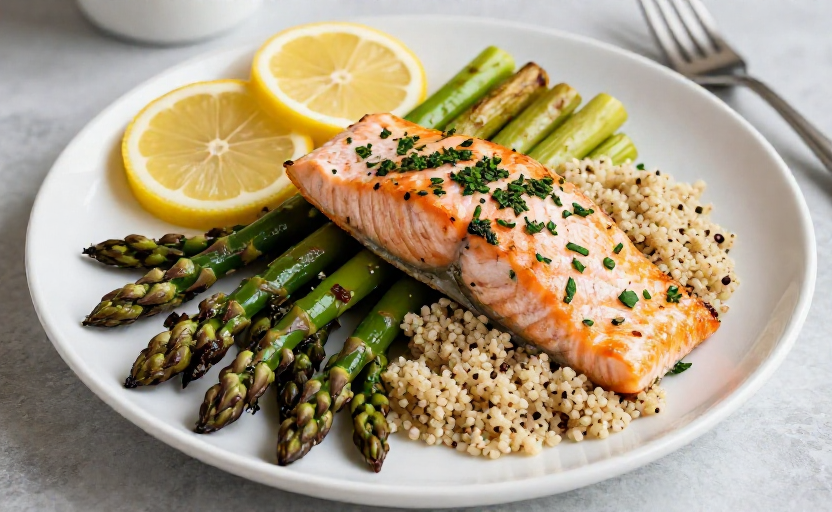
1. Lemon-Herb Salmon with Roasted Asparagus and Quinoa
Salmon is a powerhouse of omega-3 fatty acids, which are widely studied for their anti-inflammatory effects and potential to support heart function. Pair it with asparagus, a natural diuretic that can help with fluid management, and quinoa, a complete protein that is gentler on the kidneys than red meat.
To keep this dish truly heart-healthy, season the salmon with fresh lemon juice, dill, and a touch of black pepper instead of salt. Roast the asparagus in a little olive oil until tender. Serve over a bed of fluffy quinoa cooked in water or a low-sodium vegetable broth. A squeeze of lemon over the finished plate brightens the flavors without adding sodium.
2. White Bean and Kale Stew with Garlic and Rosemary
Beans are an excellent source of soluble fiber, which can help lower LDL cholesterol. When combined with kale—a leafy green rich in potassium, magnesium, and calcium—this stew becomes a mineral-rich meal that supports healthy blood pressure regulation. The key is to use dried beans or no-salt-added canned beans to keep sodium in check.
Start by sweating garlic and onion in olive oil. Add rinsed white beans, chopped kale, a sprig of fresh rosemary, and low-sodium vegetable broth. Simmer until the kale is tender and the flavors meld. A splash of apple cider vinegar at the end adds acidity without salt. Serve with a slice of whole-grain bread for a complete, satisfying dinner.
A helpful tip: Canned beans can contain a surprising amount of sodium. Rinsing them under cold water for 30 seconds can remove up to 40% of the added salt.
3. Turkey and Mushroom Lettuce Wraps
These wraps are a lighter alternative to tacos or sandwiches, reducing carbohydrate load while maximizing vegetable intake. Lean ground turkey provides high-quality protein without the saturated fat of red meat, and mushrooms add an earthy umami flavor that makes the dish feel richly satisfying.
Brown the turkey in a skillet with finely chopped mushrooms, water chestnuts, and a little ginger. Use tamari or coconut aminos (which are naturally lower in sodium than soy sauce) for seasoning. Spoon the mixture into large butter lettuce or romaine leaves and top with shredded carrots and a squeeze of lime. These wraps are quick to make and easy to portion for smaller appetites.
4. Roasted Chicken Breast with Sweet Potato and Broccoli
A classic plate that checks all the right boxes. Chicken breast is a lean protein source, sweet potatoes provide potassium and complex carbohydrates for steady energy, and broccoli offers a dose of vitamin K and fiber. The cooking method matters: roasting allows you to use minimal oil while developing deep, caramelized flavor.
Cut sweet potatoes into wedges and toss with olive oil, smoked paprika, and a pinch of cayenne. Roast alongside broccoli florets and boneless, skinless chicken breasts. Everything cooks on one sheet pan, making cleanup easy. Avoid basting with butter or salty marinades; instead, finish the chicken with fresh thyme or a sprinkle of dried herbs.
5. Shrimp and Zucchini Noodles with Pesto
For those looking to reduce carbohydrate intake or simply enjoy more vegetables, zucchini noodles (or "zoodles") are a refreshing base. Shrimp is a low-fat protein that cooks in minutes, and a homemade pesto lets you control the sodium and oil content completely.
Spiralize two medium zucchinis into noodles. Sauté briefly in a hot pan to remove excess water. Separately, cook shrimp in a little olive oil until pink. Toss both with a pesto made from fresh basil, garlic, pine nuts (or walnuts), nutritional yeast (instead of Parmesan, which is high in sodium), and extra-virgin olive oil. This meal feels light but is surprisingly filling.
6. Lentil and Vegetable Curry with Brown Rice
Lentils are a legume superstar for heart health: they are rich in folate, magnesium, and fiber, and they have a very low glycemic index. Combined with anti-inflammatory spices like turmeric, cumin, and ginger, this curry is deeply warming and supportive of vascular health.
Use light coconut milk or unsweetened coconut cream to keep saturated fat moderate. Add cauliflower, carrots, and spinach for extra nutrients. Simmer until the lentils are tender. Serve over a small portion of brown rice. The spice blend provides plenty of flavor, so you won't miss the salt. If you tolerate heat, a pinch of chili flakes adds a nice kick.
7. Grilled Portobello Mushrooms with Polenta and Arugula Salad
A vegetarian option that even meat-eaters will enjoy. Portobello mushrooms have a meaty texture and are a good source of selenium and B vitamins. Polenta, made from cornmeal, is naturally gluten-free and provides comforting, creamy carbs. When made with water or low-sodium broth instead of milk and butter, it becomes a heart-friendly base.
Marinate portobello caps in balsamic vinegar, garlic, and a little olive oil, then grill or pan-sear until tender. Prepare polenta according to package directions, using low-sodium broth for flavor. Serve the mushroom over the polenta, with a side of arugula tossed in lemon juice and fresh pepper. The peppery arugula and tangy balsamic create a flavorful meal without added sodium.
Building a heart-supportive dinner routine doesn't require exotic ingredients or complicated techniques. It is largely about swapping high-sodium processed items for whole foods, choosing lean proteins, and embracing vegetables as the star of the plate. Small, consistent changes in cooking habits can have a meaningful impact on blood pressure and overall heart function over time.