Finding delicious, satisfying dinners that also support your cardiovascular well-being can feel like a puzzle. The good news is that a heart-healthy plate is far from bland or restrictive. It’s a vibrant, flavorful approach to eating that focuses on whole foods, smart seasoning, and balanced nutrition—all of which can play a supportive role in managing blood pressure. The following recipes are designed to be your weeknight allies, turning intention into easy, enjoyable meals.
These dinners aren't about deprivation; they're about abundance. They emphasize vegetables, lean proteins, whole grains, and healthy fats, while being mindful of sodium. By building your meals around these principles, you're not just eating for tonight—you're nourishing your body for the long term.
What makes a dinner heart-healthy?
Before we dive into the recipes, let's look at the building blocks. A dinner that supports blood pressure control typically leans into a few key areas. It's rich in potassium, a mineral that helps balance sodium's effects in the body. It includes magnesium, which supports blood vessel function. It favors fiber from vegetables, fruits, and whole grains, which contributes to overall cardiovascular health. And crucially, it finds flavor beyond the salt shaker, using herbs, spices, citrus, and aromatics to create depth without excess sodium.
Seven Dinners for Your Weekly Rotation
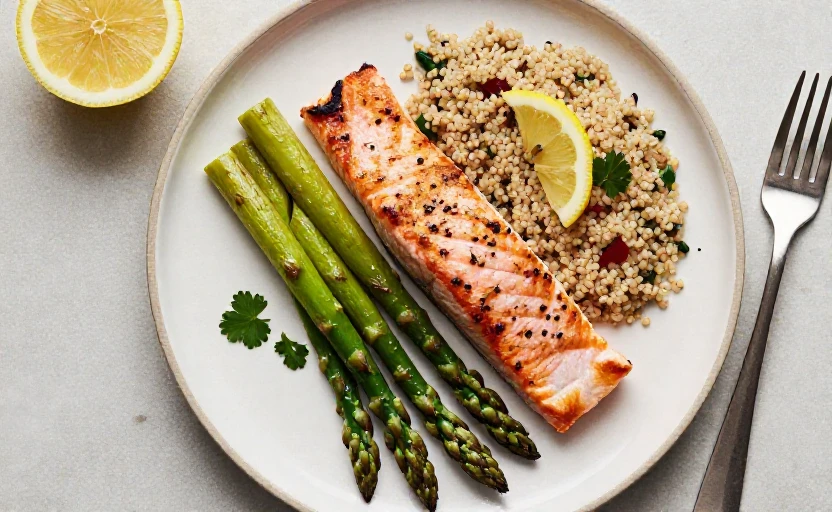
1. Lemon-Herb Baked Salmon with Roasted Asparagus and Quinoa
Fatty fish like salmon are a cornerstone of heart-healthy eating, thanks to their omega-3 fatty acids. This recipe keeps it simple to let the natural flavors shine. Season a salmon fillet with fresh dill, parsley, a generous amount of lemon zest, and a crack of black pepper. Bake until flaky. Serve alongside a mound of fluffy quinoa and asparagus spears roasted with a touch of olive oil and garlic. The quinoa provides magnesium and fiber, while the asparagus adds potassium and folate.
Tip: Use fresh lemon juice as a finishing brightener—it enhances flavor so effectively, you won't miss added salt.
2. Lentil and Vegetable Shepherd’s Pie
A comforting classic, reimagined. Brown lentils create a hearty, savory filling with carrots, celery, mushrooms, and onions, all simmered in a low-sodium vegetable broth with rosemary and thyme. The magic is in the topping: a creamy mash made from cauliflower and a small potato, blended with a splash of olive oil and a pinch of nutmeg. This swap increases your vegetable intake and provides a lighter, yet still satisfying, finish packed with potassium.
3. Black Bean and Sweet Potato Tacos with Avocado Crema
Who says tacos can’t be part of a heart-smart plan? Roast cubes of sweet potato—a potassium powerhouse—with cumin and smoked paprika. Warm black beans with garlic and a dash of lime. Serve on whole-grain corn tortillas and top with a vibrant slaw of shredded red cabbage and a creamy sauce made from blended avocado, lime juice, and cilantro. The combination offers a fantastic mix of fiber, healthy fats, and plant-based protein.
4. Mediterranean Chicken with Olive Tapenade and Greek Salad
This dish brings the vibrant flavors of the Mediterranean to your table. Grill or bake a skinless chicken breast and top it with a simple tapenade made from chopped kalamata olives, capers, lemon juice, and fresh oregano. The salty, briny flavor of the olives and capers means you need no added salt. Serve with a classic Greek salad of cucumber, tomato, red onion, and a sprinkle of feta cheese, dressed lightly with olive oil and red wine vinegar. It’s a meal rich in monounsaturated fats and antioxidants.
5. One-Pan Turmeric Chickpeas and Spinach over Brown Rice
For a quick, plant-based option, this one-pan wonder is perfect. Sauté onion and garlic, then add turmeric, cumin, and chickpeas to toast the spices. Add a can of diced tomatoes (no salt added) and let it simmer into a thick sauce. In the last few minutes, fold in several large handfuls of fresh spinach until wilted. The turmeric offers anti-inflammatory properties, while the chickpeas and spinach provide fiber, magnesium, and potassium. Serve over nutty brown rice.
Remember: When using canned beans or tomatoes, rinsing them can reduce sodium content by up to 40%.
6. Herb-Crusted Pork Tenderloin with Apple-Onion Compote and Roasted Brussels Sprouts
Lean pork tenderloin is an excellent source of protein. Coat it in a crust of whole-grain breadcrumbs, chopped fresh sage, and a little Dijon mustard before roasting. While it cooks, slowly caramelize sliced onions and apples in a pan with a touch of apple cider vinegar until sweet and tender—a perfect, potassium-rich condiment. Roast halved Brussels sprouts alongside the pork with a drizzle of olive oil. The result is a balanced, autumn-inspired plate.
7. Zucchini Noodles with Turkey Meatballs and Marinara
Enjoy the feel of a pasta night with a vegetable-forward twist. Use a spiralizer or julienne peeler to create "zoodles" from fresh zucchini. For the meatballs, use lean ground turkey mixed with whole-grain breadcrumbs, an egg, and plenty of garlic and Italian herbs. Bake them until golden. Choose a marinara sauce labeled "no salt added" or make your own with crushed tomatoes, basil, and oregano. The zucchini provides potassium and volume with very few calories, making the meal satisfying and light.
Building Your Plate for Success
These recipes share a common visual blueprint you can apply to any meal. Aim to fill half your plate with non-starchy vegetables (like asparagus, spinach, or Brussels sprouts). Reserve a quarter for a lean protein (salmon, chicken, lentils, turkey). The final quarter can be a whole grain or starchy vegetable (quinoa, sweet potato, brown rice). This balance naturally promotes a nutrient intake that supports cardiovascular wellness.
Adopting a heart-healthy eating pattern is a journey, not a single meal. These seven dinners are meant to inspire that journey, showing how flavorful and varied supportive eating can be. Listen to your body, enjoy the process of cooking, and know that each colorful, well-balanced meal is a positive step.