Living with polycystic ovary syndrome (PCOS) often feels like a constant battle with your own hormones. Between insulin resistance, elevated androgens, and irregular cycles, it's easy to feel like your body is working against you. But what you eat each day can be a powerful tool to help tilt the scales back in your favor. While no single food is a cure, the right dietary choices can help stabilize blood sugar, reduce inflammation, and support healthier hormone signaling.
We've looked at the evidence and practical nutrition strategies to bring you seven foods that deserve a regular spot on your plate. These aren't trendy superfoods or restrictive meal plans—they're accessible, nourishing options that address the underlying metabolic and hormonal challenges of PCOS.
1. Leafy Greens (Spinach, Kale, Swiss Chard)
Dark, leafy greens are a cornerstone of any anti-inflammatory diet, and they're particularly beneficial for PCOS. They're packed with magnesium, a mineral that plays a direct role in improving insulin sensitivity and reducing cortisol—the stress hormone that can worsen PCOS symptoms. A 2019 study found that women with PCOS who had higher magnesium intakes showed better markers of metabolic health.
Try adding a handful of spinach to your morning smoothie or sautéing Swiss chard with garlic as a side dish. The goal is to include these greens in at least one meal per day.
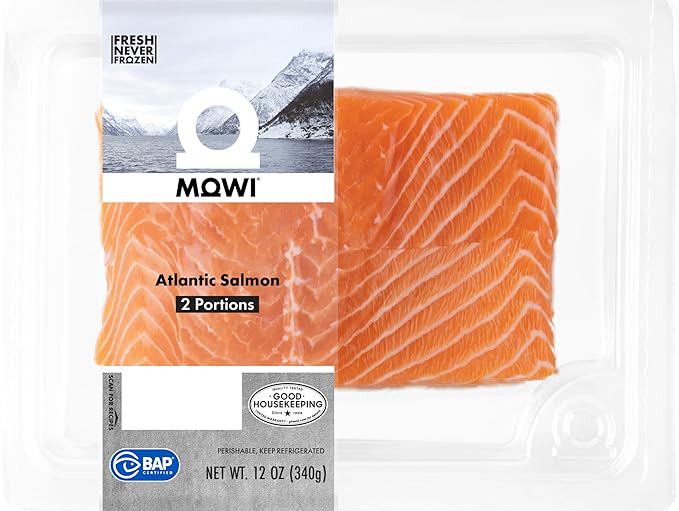
2. Fatty Fish (Salmon, Mackerel, Sardines)
Omega-3 fatty acids found in fatty fish are potent anti-inflammatory agents. Since PCOS is considered a state of chronic low-grade inflammation, getting enough omega-3s can help lower triglycerides, reduce liver fat, and even improve menstrual regularity. Wild-caught salmon is an excellent source, but canned sardines and mackerel are budget-friendly alternatives that pack the same punch.
Aim for two 3-ounce servings of fatty fish per week. If you don't eat fish, consider a high-quality algae-based omega-3 supplement after talking with your healthcare provider.
3. Berries (Blueberries, Raspberries, Strawberries)
Berries are low on the glycemic index and rich in antioxidants called anthocyanins. These compounds help reduce oxidative stress, which is often elevated in PCOS. Unlike a sugary snack that spikes blood glucose and insulin, berries provide sweetness with fiber that slows digestion. This steady energy release is crucial because managing insulin is the single most important dietary goal for many women with PCOS.
Use berries as a dessert replacement, mix them into plain Greek yogurt, or add them to overnight oats.
4. Legumes (Lentils, Chickpeas, Black Beans)
Beans and lentils are a powerhouse combination of plant-based protein and soluble fiber. The fiber forms a gel-like substance in your gut that traps carbohydrates and slows their absorption, leading to more stable blood sugar levels and lower insulin spikes. A 2023 review in the journal Nutrients highlighted that a high-fiber legume intake is associated with lower testosterone levels in women with PCOS.
Start your prep by adding red lentils to soups or blending chickpeas into hummus. Swap half the meat in a chili for black beans to boost fiber intake easily.
5. Avocado
Avocados are rich in monounsaturated fats and vitamin E, both of which support hormone production and cell membrane health. Healthy fats are necessary for your body to produce steroid hormones, including estrogen and progesterone. A diet lacking in good fats can actually impair ovulation. Additionally, the fat content of avocados helps you absorb fat-soluble vitamins (A, D, E, K) from other vegetables you eat.
Half an avocado with eggs at breakfast or sliced onto a salad at lunch provides sustained energy and satiety—key for managing cravings that often come with insulin resistance.
6. Cinnamon
This common spice may be more than just a flavor enhancer. Multiple small studies suggest that cinnamon can improve insulin sensitivity and lower fasting blood glucose in women with PCOS. The active compound, cinnamaldehyde, appears to mimic insulin and increase glucose uptake into cells. While results aren't dramatic, adding cinnamon to your diet is a low-risk, tasty way to support metabolic health.
Sprinkle it on oatmeal, stir it into coffee, or add it to roasted sweet potatoes. One teaspoon per day is a reasonable amount.
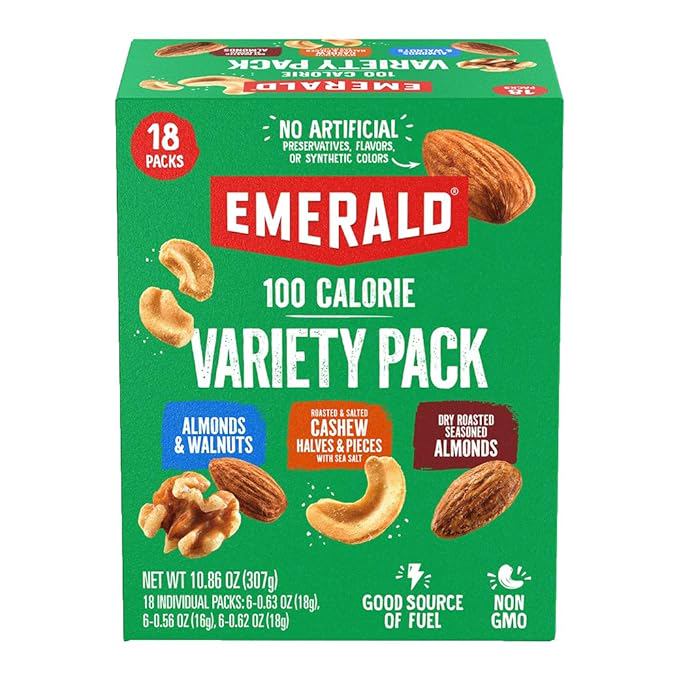
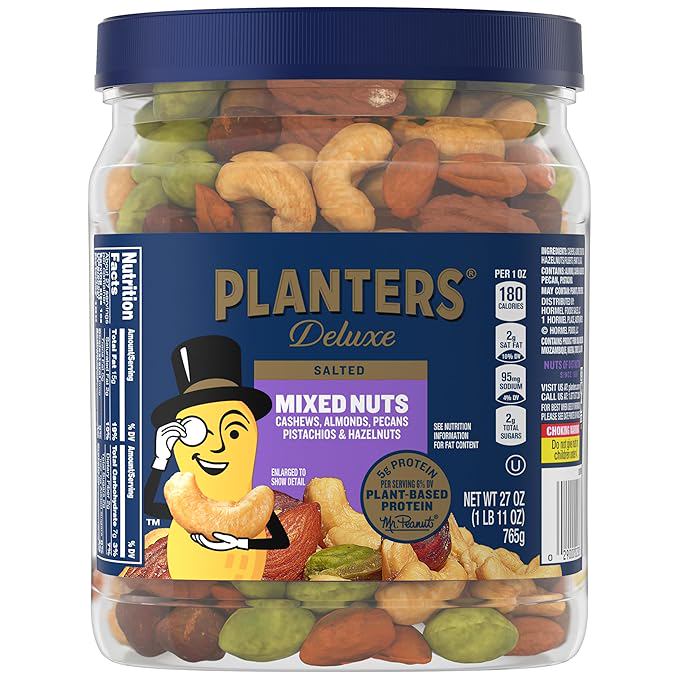
7. Walnuts
Walnuts are one of best plant sources of alpha-lipoic acid (ALA), a type of omega-3 fatty acid, plus they contain high levels of polyphenols. A study from 2021 found that women with PCOS who ate walnuts daily for six weeks showed improvements in their lipid profiles and reductions in inflammatory markers like C-reactive protein. The combination of healthy fat, fiber, and protein makes walnuts an ideal hormone-balancing snack.
Stick to a small handful—about 1 ounce or 14 halves—to avoid excess calories. Pair them with an apple for a balanced mini-meal.
Building a PCOS-friendly diet doesn't mean you need to be perfect. Start by adding one or two of these foods to your weekly routine. Over time, small changes in the foods you choose can lead to meaningful shifts in how you feel, your menstrual regularity, and your long-term metabolic health. Always talk to your doctor or a registered dietitian before making major dietary changes, especially if you are on medications like metformin.