

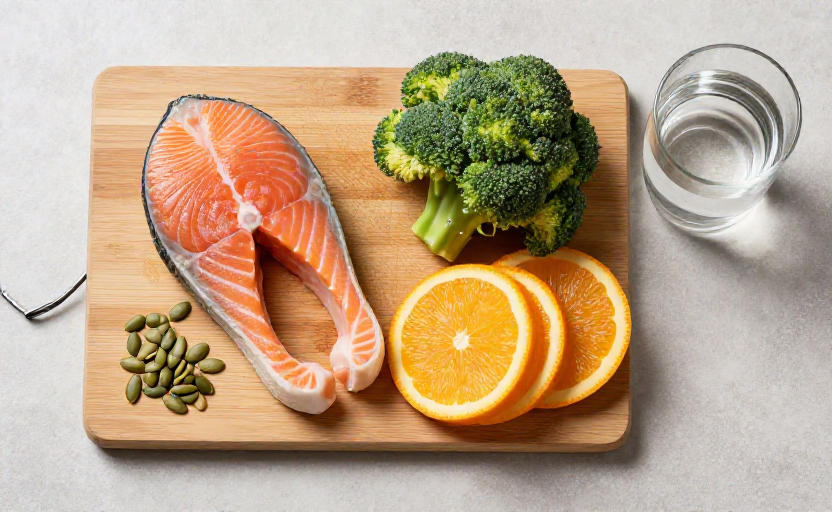
Preparing for thyroid surgery involves more than just checking in at the hospital. What you eat in the days before the procedure can give your body the nutritional edge it needs to heal faster, reduce inflammation, and maintain stable energy levels. While your surgeon will give you specific pre-op instructions about fasting and medication, adding certain nutrient-dense foods to your pre-surgery meals can support tissue repair and help your immune system stay resilient.
These seven foods are backed by nutritional science to support recovery before and after thyroid surgery. Think of them as your pre-surgery toolkit—each one plays a role in healing, from collagen production to blood sugar regulation.
1. Lean Protein: The Building Block of Tissue Repair
After surgery, your body needs amino acids to rebuild tissues and heal the incision site. Lean sources like skinless chicken breast, turkey, fish, or plant-based options such as lentils and tofu provide the raw materials for collagen synthesis and wound healing. A 2021 review in Nutrients highlighted that adequate protein intake before surgery reduces muscle loss and supports immune function. Aim for a serving of lean protein at each meal in the days leading up to your procedure.
2. Vitamin C-Rich Foods: Collagen’s Best Friend
Vitamin C is essential for producing collagen, the protein that knits skin and connective tissues back together after an incision. Citrus fruits like oranges and grapefruits are well-known sources, but kiwi, bell peppers, strawberries, and broccoli pack even more vitamin C per gram. A 2020 study in Advances in Wound Care found that vitamin C supplementation prior to surgery improved wound healing outcomes. Add a handful of berries to your oatmeal or snack on red bell pepper strips with hummus.
3. Zinc-Rich Foods: Immune Support and Skin Healing
Zinc helps your immune system fight off infections and speeds up wound closure. Oysters are the richest source, but pumpkin seeds, chickpeas, beef, and fortified cereals provide reliable amounts. A 2019 paper in Nutrients noted that zinc deficiency is common in surgical patients and can delay healing. A small handful of pumpkin seeds or a lentil soup a few days before surgery can bolster your zinc levels naturally.
4. Leafy Greens and Cruciferous Vegetables: Anti-Inflammatory Power
Dark, leafy greens like spinach, kale, and Swiss chard are high in vitamin K, which supports proper blood clotting—important during and after surgery. Cruciferous vegetables like broccoli, Brussels sprouts, and cabbage contain sulforaphane, a compound that may reduce oxidative stress and inflammation. Just be mindful if you take blood thinners; ask your doctor about vitamin K intake. A simple sautéed side of spinach with garlic or roasted broccoli can be an easy addition to your plate.
5. Healthy Fats: Fighting Inflammation
Inflammation is a natural part of healing, but keeping it in check supports faster recovery. Omega-3 fatty acids, found in salmon, sardines, walnuts, and flaxseeds, have potent anti-inflammatory effects. A 2018 study in Journal of Surgical Research linked higher omega-3 intake with lower post-surgical inflammation markers. Add ground flaxseed to your smoothie or enjoy a salmon fillet two to three days before surgery.
6. Whole Grains and Complex Carbohydrates: Steady Energy
Surgery puts stress on your body, which can spike cortisol and disrupt blood sugar. Complex carbs like oatmeal, quinoa, brown rice, and sweet potatoes provide a slow release of glucose, preventing energy crashes and keeping you stable. They also feed your gut microbiome, which influences immune function. A bowl of oatmeal with cinnamon and berries is a gentle pre-surgery breakfast option.
7. Hydration-Rich Foods: Water Isn’t Just for Drinking
Staying hydrated before surgery helps maintain blood volume and supports kidney function during the procedure. While you’ll likely be instructed to fast from liquids at some point, in the days beforehand, water-rich foods like cucumbers, watermelon, celery, and broth-based soups can help. A 2020 study in Anesthesia & Analgesia found that preoperative hydration reduced the risk of nausea and dizziness after surgery. Sip on clear broth or eat a hydrating cucumber and tomato salad.
Quick tip: Stick to whole foods and avoid processed items high in sodium, added sugar, or unhealthy fats. They can promote inflammation and water retention, which may complicate recovery.
Every person’s health status is different, so always run specific dietary changes by your surgeon or a registered dietitian, especially if you have conditions like diabetes, kidney disease, or take blood thinners. The goal here is not to self-treat but to eat in a way that gives your body the best possible starting line before surgery.








