If you’ve ever felt the sudden, overwhelming surge of a panic attack, you know it’s more than just feeling stressed. It’s a physical event—heart racing, breath shortening, a sense of impending doom. While therapy, breathing techniques, and medication are foundational treatments, what you eat plays a subtle but significant supporting role. Food can’t cure panic disorder, but it can help create a more stable internal environment, making your nervous system less reactive and more resilient.
Think of your diet as one piece of the foundation for mental well-being. Certain foods provide the raw materials your brain needs to regulate mood and stress response, while others can act as hidden triggers, destabilizing blood sugar or mimicking anxiety symptoms. We spoke with dietitians to understand which foods to embrace and which to approach with caution, not as a rigid prescription, but as a way of nurturing calm from the inside out.
Foods to Embrace for a Calmer Foundation
These choices focus on providing steady energy, key nutrients for neurotransmitter function, and reducing overall inflammation—all of which support a more balanced nervous system.
Complex Carbohydrates
Whole grains like oats, quinoa, brown rice, and starchy vegetables like sweet potatoes are your allies. They are digested slowly, providing a gradual release of glucose into your bloodstream. This steady fuel supply helps prevent blood sugar crashes, which can manifest as shakiness, irritability, and anxiety—feelings that can mimic or trigger panic.
A stable blood sugar is a cornerstone of a stable mood.
Omega-3 Rich Foods
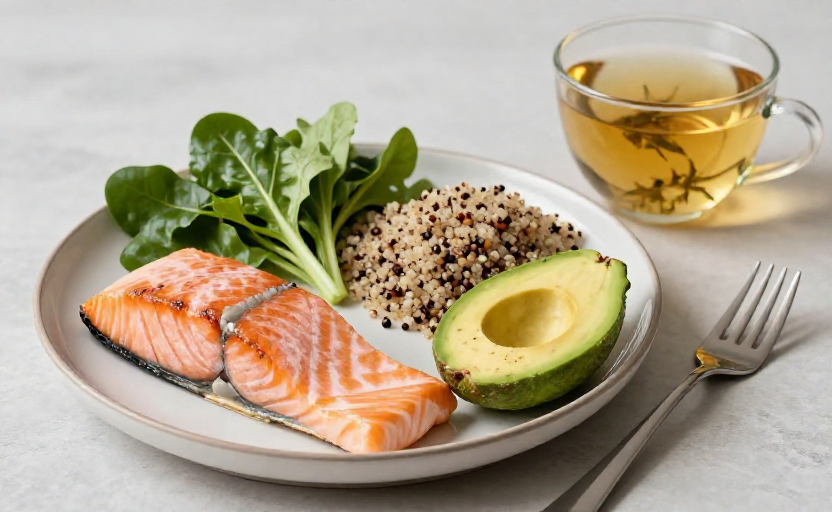
Fatty fish (salmon, mackerel, sardines), walnuts, flaxseeds, and chia seeds are packed with EPA and DHA, types of omega-3 fatty acids with potent anti-inflammatory properties. Chronic, low-grade inflammation is increasingly linked to mood disorders, including anxiety. By incorporating these foods regularly, you help support brain cell membrane health and modulate the body’s stress response.
Magnesium-Rich Foods
Often called nature’s relaxant, magnesium plays a crucial role in regulating the nervous system and the stress-response pathway. It helps muscles relax and can support better sleep. Good sources include:
- Leafy greens (spinach, Swiss chard)
- Legumes (black beans, edamame)
- Nuts and seeds (almonds, pumpkin seeds)
- Avocados
- Dark chocolate (70% cocoa or higher)
Probiotic and Fermented Foods
The gut-brain connection is real. Your digestive system and brain communicate via the vagus nerve and neurotransmitters. A healthy gut microbiome, supported by foods like yogurt, kefir, sauerkraut, kimchi, and miso, may positively influence this communication, potentially reducing anxiety and improving stress resilience.
Foods to Be Mindful Of
This isn’t about creating fear around food, but about awareness. For some individuals, these items can exacerbate underlying physiological states that prime the body for anxiety.
High-Sugar Foods and Refined Carbs
Pastries, sugary drinks, white bread, and candy cause a rapid spike and subsequent crash in blood sugar. The crash can trigger the release of stress hormones like adrenaline and cortisol, leading to feelings of nervousness, dizziness, and panic. This rollercoaster is best avoided.
Caffeine
This is a major one for many people. Caffeine is a stimulant. It increases heart rate, can cause jitteriness, and even induce feelings of dread in sensitive individuals—all sensations that mirror a panic attack. It’s not just coffee; be mindful of energy drinks, strong tea, soda, and even some medications.
If you’re prone to panic, consider caffeine a potential trigger, not a harmless pick-me-up.
Alcohol
While it might seem relaxing initially, alcohol is a depressant that disrupts sleep architecture and depletes nutrients like B vitamins, which are vital for nervous system function. The rebound effect as it leaves your system can increase anxiety and heart rate, sometimes severely, leading to what’s often called “hangxiety.”
Putting It Into Practice
You don’t need a complete dietary overhaul overnight. Start with one or two supportive swaps. Try having oatmeal with berries for breakfast instead of a sugary cereal. Swap an afternoon soda for sparkling water with a splash of juice. Notice how you feel two to three hours after a meal—are you calm and sustained, or jittery and hungry?
Equally important is how you eat. Eating regular meals prevents blood sugar dips. Eating mindfully, without distraction, can improve digestion and signal safety to your nervous system. Hydration is also key; even mild dehydration can increase cortisol levels.
Remember, this is about building a nurturing plate, not a perfect one. The goal is to use food to support your overall treatment plan, giving your body and mind the best possible foundation to find calm.