
When we talk about heart health, the conversation tends to focus on the heart muscle itself or the major coronary arteries. But your body's network of blood vessels extends far beyond the chest. Peripheral artery disease (PAD) is a stark reminder that your entire circulatory system needs attention. PAD occurs when plaque builds up in the arteries outside the heart and brain—most often in the legs—narrowing those vessels and reducing blood flow. The result can be cramping, numbness, and a heaviness in the limbs that makes walking a chore.
The encouraging news is that the same dietary patterns that protect your heart also appear to support the health of your peripheral arteries. While no single food is a cure, consistently eating a pattern rich in anti-inflammatory, vasodilating, and cholesterol-lowering nutrients can help maintain arterial flexibility and reduce the progression of atherosclerosis. Here are seven foods with solid research behind them for supporting arterial health and potentially lowering PAD risk.
1. Fatty Fish (Salmon, Mackerel, Sardines)
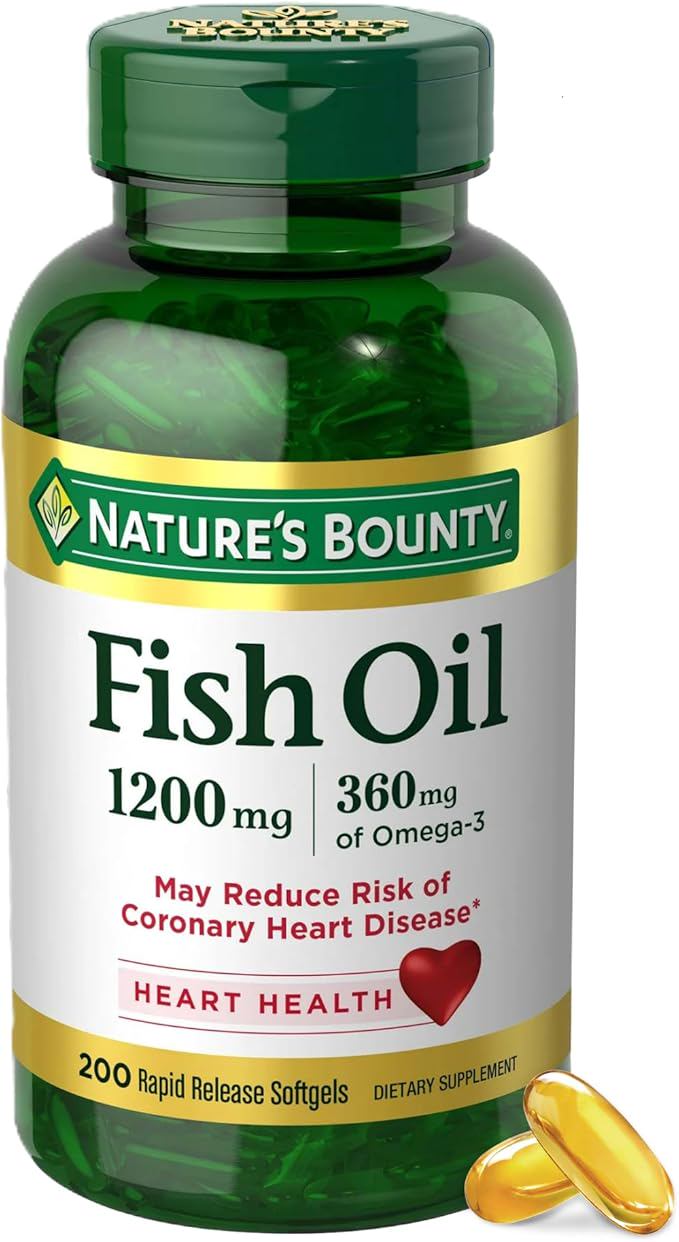
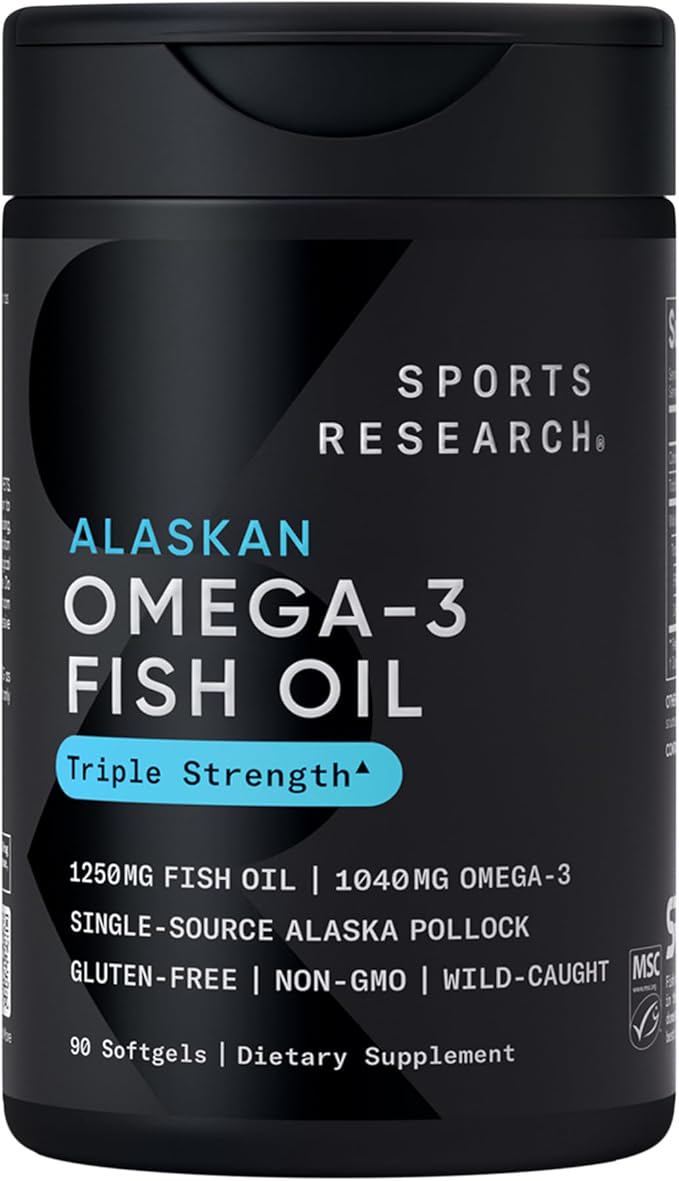
Fatty fish are packed with long-chain omega-3 fatty acids, specifically EPA and DHA. These fats are known to reduce systemic inflammation, lower triglycerides, and improve endothelial function—the ability of your blood vessel lining to dilate properly. For people with or at risk for PAD, endothelial dysfunction is a core problem. A 2023 meta-analysis in Atherosclerosis linked higher fish consumption with a lower prevalence of PAD. Aim for two 3.5-ounce servings per week. If you don't eat fish, a high-quality algal oil supplement is a reasonable alternative for EPA/DHA intake.
2. Leafy Green Vegetables (Spinach, Kale, Swiss Chard)
These vegetables are rich in dietary nitrates, which your body converts into nitric oxide. Nitric oxide is a powerful vasodilator that relaxes the inner muscles of your blood vessels, allowing them to widen and improving blood flow. Inadequate nitric oxide production is a hallmark of PAD. A 2020 study in Nitric Oxide found that dietary nitrate supplementation improved walking distance and pain tolerance in PAD patients. Incorporating one to two cups of leafy greens daily, whether in salads, smoothies, or sautés, is a practical goal.
3. Berries (Blueberries, Strawberries, Blackberries)
Berries are among the richest dietary sources of anthocyanins, a subclass of flavonoids that give them their deep hues. These compounds combat oxidative stress and reduce the oxidation of LDL cholesterol, a key step in plaque formation. Population studies, including data from the Framingham Offspring Cohort, suggest that higher berry intake correlates with better peripheral artery function. A half-cup serving a few times per week, fresh or frozen (without added sugar), can contribute to this benefit without spiking blood sugar.
4. Oats and Whole Barley
Whole grains, particularly those rich in beta-glucan soluble fiber, offer a dual benefit for arterial health. First, beta-glucan forms a viscous gel in the digestive tract that binds to cholesterol-rich bile acids, helping to excrete them and thus lowering circulating LDL cholesterol. Second, these grains improve glycemic control, which matters because high blood sugar damages arterial endothelium over time. A 2022 systematic review in Nutrients noted that consistent whole grain intake is associated with a 20–30% lower risk of developing PAD. Start your day with a bowl of steel-cut oats or barley porridge.
5. Nuts (Especially Walnuts and Almonds)
Unsalted nuts provide a concentrated source of unsaturated fats, plant sterols, and arginine—an amino acid that serves as a precursor to nitric oxide. Walnuts stand out for their particularly high alpha-linolenic acid content, a plant-based omega-3. Data from the PREDIMED trial, which focused on a Mediterranean diet supplemented with nuts, showed improvements in endothelial function and reductions in peripheral vascular stiffness. A one-ounce handful (about 14 walnut halves or 23 almonds) makes an excellent daily snack.
6. Legumes (Lentils, Chickpeas, Black Beans)
Legumes are a powerhouse combination of soluble fiber, resistant starch, and potassium. The resistant starch ferments in the colon, producing short-chain fatty acids that have anti-inflammatory effects throughout the body, including the arteries. Meanwhile, potassium helps blunt the blood-pressure-raising effects of dietary sodium. A 2021 analysis in the European Journal of Clinical Nutrition found that individuals consuming legumes more than four times per week had significantly lower odds of PAD. Substitute one or two weekly meat servings with legumes, such as lentil soup or a chickpea-based salad.
7. Dark Chocolate (70% Cacao or Higher)
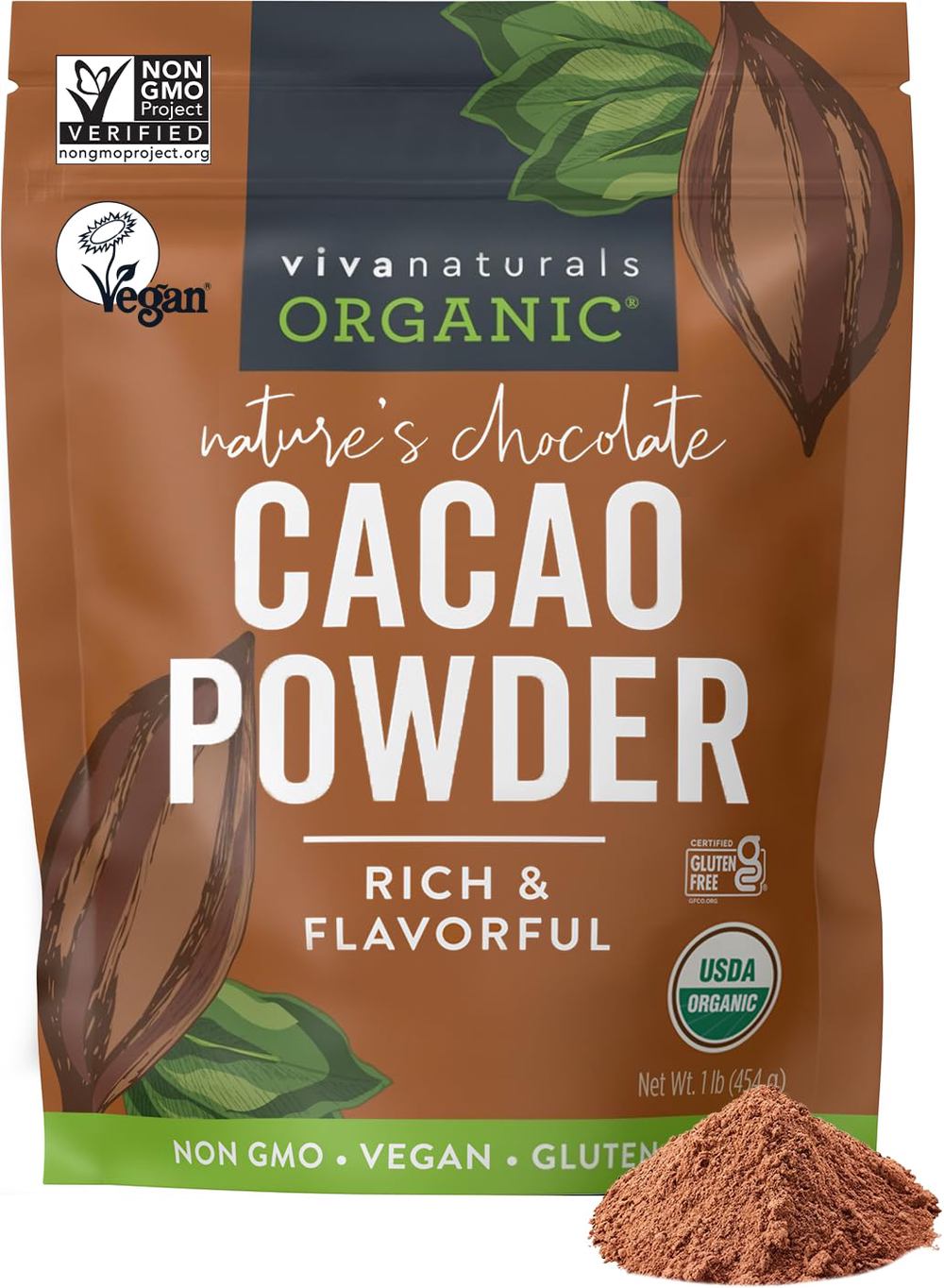
Yes, this one is a treat, but it earns its spot. High-cacao chocolate is rich in flavanols, specifically epicatechin, which stimulates nitric oxide production and reduces platelet aggregation. Clinical trials consistently show that acute and chronic intake of high-flavanol cocoa improves flow-mediated dilation—a measure of how well your arteries relax. The catch is sugar content and calorie density. A sensible portion is about one ounce (roughly a square or two) per day, chosen from brands with minimal added sugar and no milk fat, which can interfere with flavanol absorption.
These seven foods won't reverse advanced PAD overnight, but they represent a broad, evidence-based strategy for maintaining the health of your entire arterial tree. Integrate them into a balanced pattern that also limits ultra-processed foods, refined carbohydrates, and excessive sodium. Pair this dietary approach with regular walking (even if intermittent), smoking cessation if applicable, and adherence to any prescribed medications. Your peripheral arteries are a critical part of your vascular system—they deserve the same daily care as your heart.