Childhood trauma can leave a lasting imprint, not just on our memories, but on the very structure and function of our brains. The good news is that the brain possesses a remarkable capacity for healing and adaptation, a quality known as neuroplasticity. While therapy and supportive relationships are foundational to this process, the nutrients we provide our bodies can also play a crucial, supportive role. Certain foods contain compounds that can help reduce inflammation, support the growth of new neural connections, and stabilize mood—all vital aspects of healing from early adversity.
How Nutrition Supports Brain Healing
Trauma, especially when experienced during critical developmental years, can trigger a chronic stress response. This can lead to elevated inflammation in the body and brain, affect the balance of neurotransmitters, and even impact the hippocampus—a brain region vital for memory and emotional regulation. The goal of nutritional support isn't to erase the past, but to help create a biochemical environment where the brain's natural repair mechanisms can function more effectively. Think of it as providing the high-quality building materials needed for renovation.
Healing is not about forgetting; it's about creating a resilient foundation from which to move forward.
Foods to Incorporate for Brain Support
Focusing on whole, nutrient-dense foods is key. Here are several categories and specific foods that research suggests may be particularly beneficial for brain health in the context of healing.
Fatty Fish
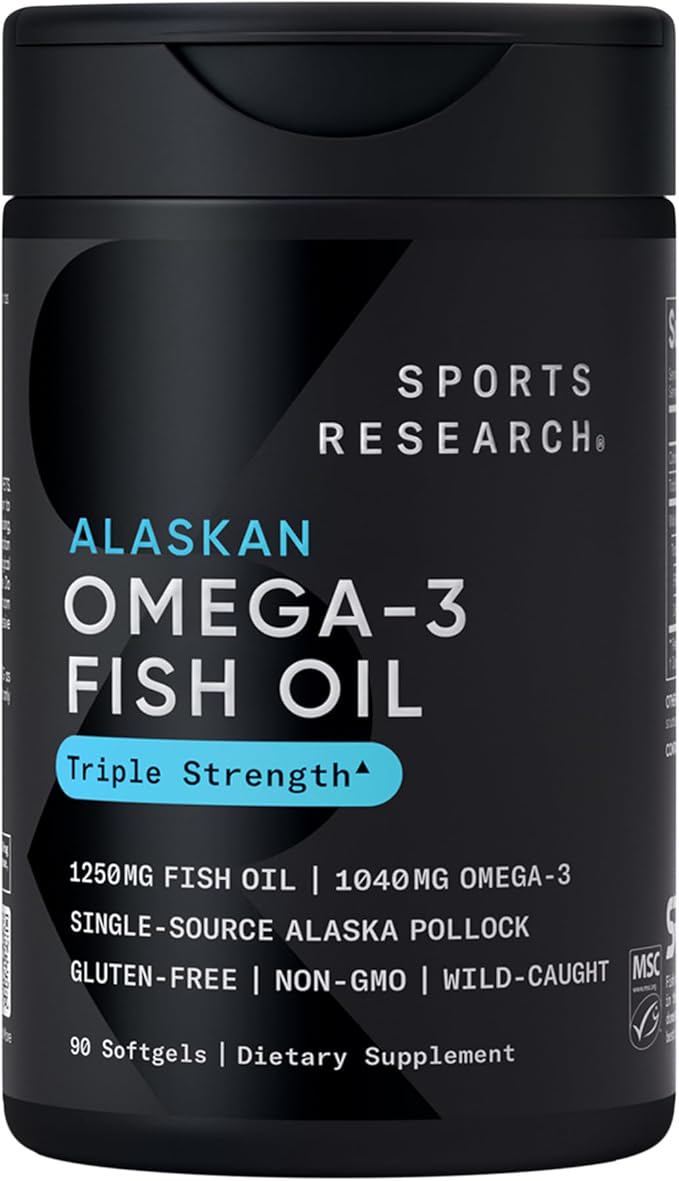
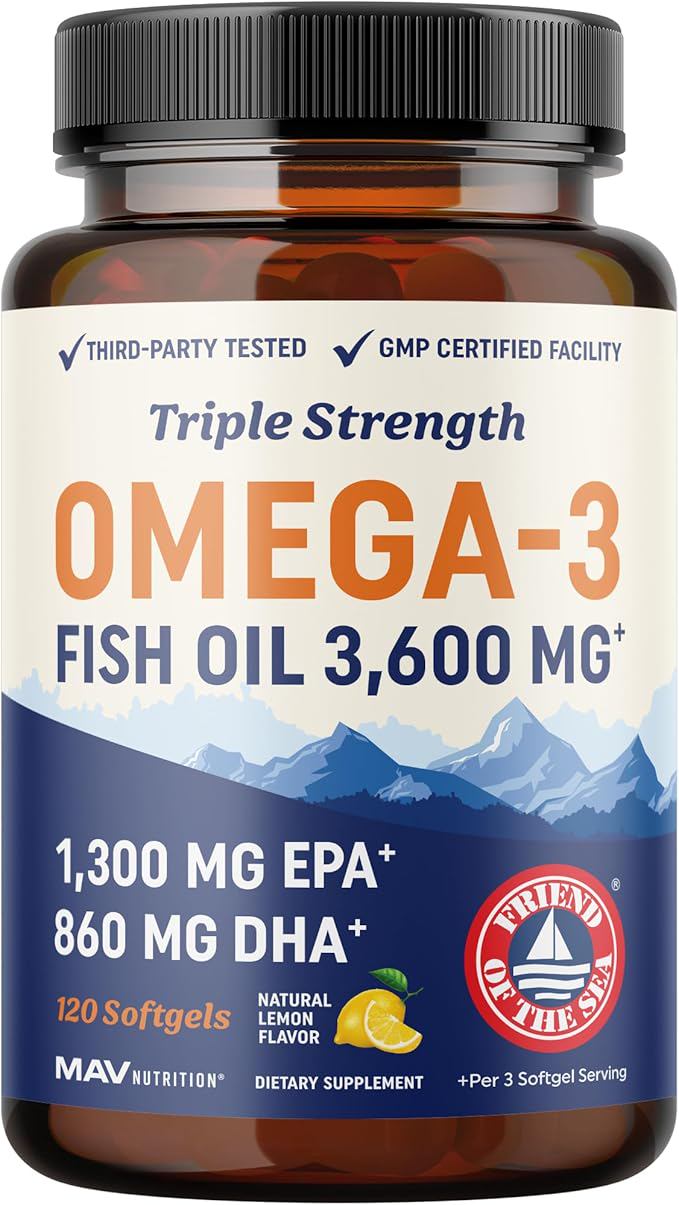
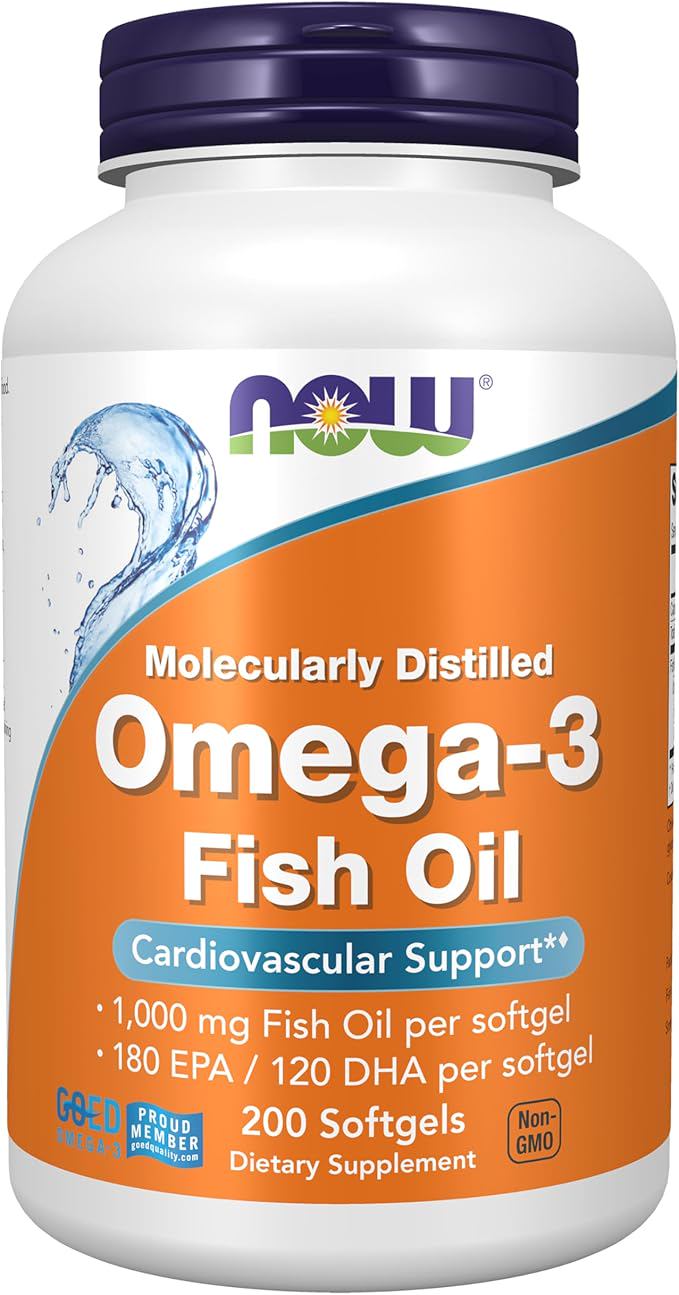
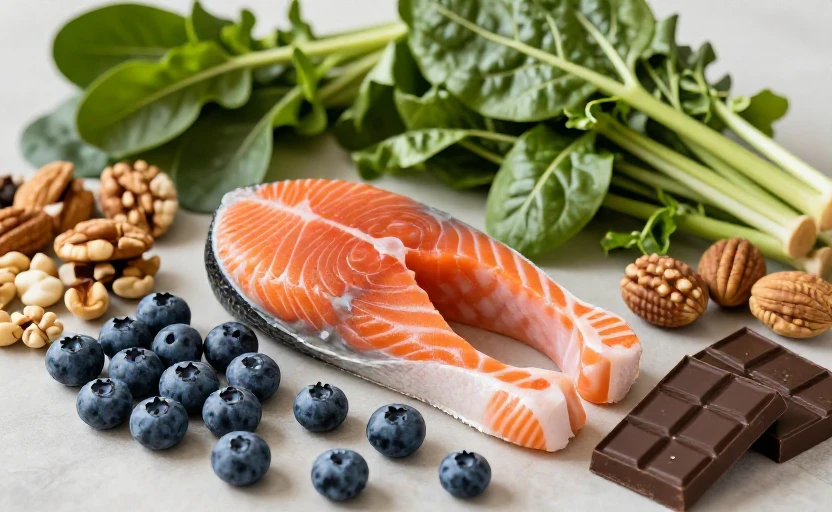
Salmon, mackerel, sardines, and anchovies are rich in omega-3 fatty acids, specifically EPA and DHA. These fats are fundamental components of brain cell membranes. They are powerfully anti-inflammatory and are directly involved in supporting neuroplasticity—the brain's ability to form new connections. For individuals with a history of trauma, where inflammation may be higher, ensuring adequate omega-3 intake can be a foundational step.
Dark Leafy Greens
Spinach, kale, Swiss chard, and collard greens are packed with folate (vitamin B9), magnesium, and vitamin K. Folate is essential for the production of neurotransmitters like serotonin and dopamine, which regulate mood. Magnesium, often called nature's relaxant, helps calm the nervous system and may improve sleep quality, which is frequently disrupted by trauma.
Berries
Blueberries, strawberries, raspberries, and blackberries are loaded with antioxidants, particularly flavonoids. These compounds combat oxidative stress, a type of cellular damage that can be exacerbated by chronic stress. Some studies suggest that the antioxidants in berries may support memory function and slow age-related cognitive decline by protecting brain cells.
Fermented Foods
The connection between the gut and the brain, known as the gut-brain axis, is profound. Foods like yogurt with live cultures, kefir, kimchi, sauerkraut, and kombucha contain beneficial probiotics. A healthy gut microbiome can influence the production of neurotransmitters and help modulate the body's stress response, potentially easing anxiety and improving emotional regulation.
Nuts and Seeds
Walnuts, flaxseeds, chia seeds, and pumpkin seeds are excellent sources of plant-based omega-3s (ALA), magnesium, zinc, and vitamin E. Zinc plays a role in nerve signaling, while vitamin E protects cell membranes from oxidative damage. A small handful of mixed nuts and seeds can be a simple, brain-supportive snack.
Dark Chocolate
Cacao is rich in flavonoids, caffeine, and theobromine. The flavonoids may increase blood flow to the brain and have been linked to improved cognitive function. It also contains compounds that can promote feelings of well-being. The key is to choose dark chocolate with a high percentage of cacao (70% or more) and enjoy it in moderation.
Turmeric
The active compound in turmeric, curcumin, is a potent anti-inflammatory and antioxidant. It has been studied for its potential to support brain-derived neurotrophic factor (BDNF), a protein that acts like fertilizer for brain cells, encouraging growth and resilience. For best absorption, pair turmeric with black pepper.
Building a Supportive Eating Pattern
Rather than fixating on individual "superfoods," consider how to weave these ingredients into a consistent, balanced pattern of eating. A Mediterranean-style diet, which emphasizes vegetables, fruits, whole grains, legumes, healthy fats, and lean proteins, naturally incorporates many of these brain-supportive foods and is consistently linked to better mental health outcomes.
Healing is a holistic journey. Nourishing your body with these foods is one compassionate act you can take for yourself. It works alongside other vital practices—like therapy, mindfulness, community, and rest—to support your nervous system and foster resilience from the inside out.