
Social anxiety can make everyday interactions feel overwhelming. While food is not a cure, the nutrients you consume can influence your brain chemistry and nervous system, creating a foundation that may help you feel more steady and resilient. Dietitians point to specific foods that support this calm, grounded state by providing key compounds your body uses to regulate mood and stress response.
Think of it as nutritional support for your nervous system. By incorporating certain foods, you’re giving your body the raw materials it needs to manage the physiological aspects of anxiety more effectively. This isn’t about a magic-bullet snack, but rather building a dietary pattern that fosters balance from the inside out.
How Can Food Influence Social Anxiety?
Social anxiety involves a complex interplay of thoughts, emotions, and physical sensations—a racing heart, tense muscles, or a knotted stomach. What you eat can directly affect these physical symptoms. Nutrients like magnesium, zinc, omega-3 fatty acids, and certain amino acids are essential co-factors in producing neurotransmitters like serotonin and GABA, which help regulate mood and promote a sense of calm.
Furthermore, chronic stress and anxiety can deplete these vital nutrients. A diet lacking in them may leave your nervous system more reactive. Focusing on whole, nutrient-dense foods helps replenish these stores, supporting your body’s innate ability to find equilibrium. It’s a foundational step, working alongside other strategies like therapy or mindfulness.
Food is one tool in the toolbox for managing anxiety. It builds a resilient biological foundation so you have more resources to draw on when facing challenging situations.
Foods to Include for Calmer Social Interactions
These dietitian-recommended foods are valued for their specific nutrient profiles that support nervous system function. Aim to include them regularly, not just before a big event.
Fatty Fish
Salmon, mackerel, sardines, and herring are rich in omega-3 fatty acids EPA and DHA. These fats are crucial for brain health, reducing inflammation, and may help lower the body’s production of stress hormones like cortisol. Regular consumption is linked to improved mood regulation.
Leafy Green Vegetables
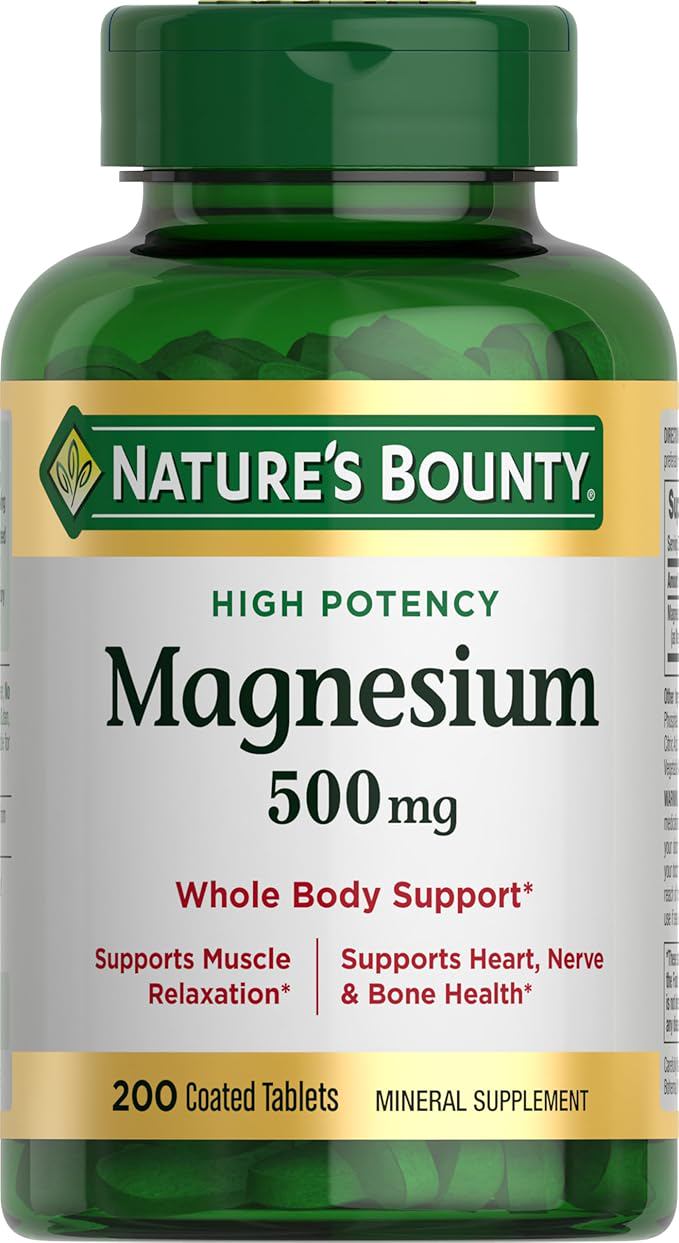
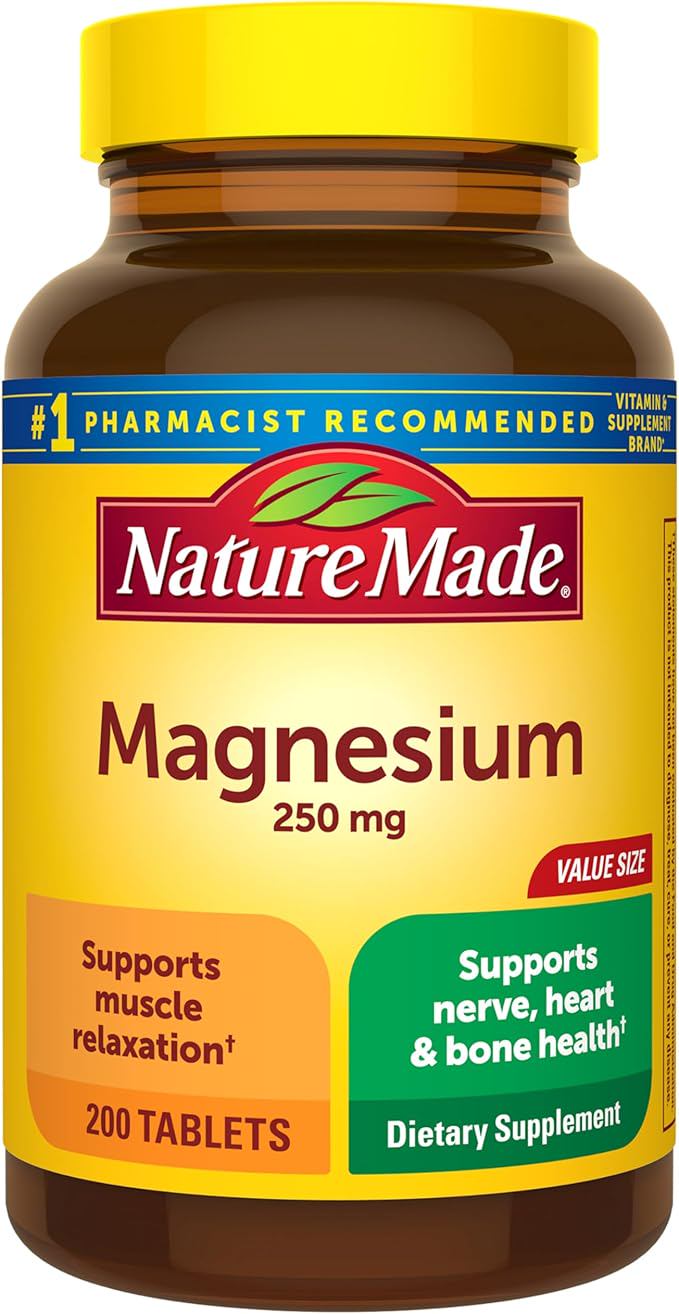
Spinach, Swiss chard, and kale are excellent sources of magnesium. This mineral acts as a natural relaxant for the nervous system and is involved in hundreds of biochemical reactions in the body, including those that manage the stress response. Many people don’t get enough magnesium from their diets.
Fermented Foods
Yogurt, kefir, kimchi, and sauerkraut contain probiotics—beneficial bacteria that support gut health. A significant portion of the body’s serotonin is produced in the gut. A healthy gut microbiome, fostered by these foods, is increasingly understood to be vital for mood and anxiety regulation via the gut-brain axis.
Blueberries and Other Berries
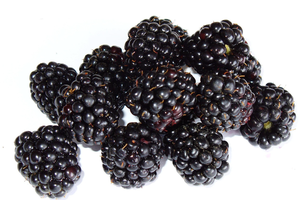
Berries are packed with antioxidants, particularly flavonoids. These compounds combat oxidative stress, which can be heightened during periods of anxiety. They also support brain cell health and communication, potentially improving resilience to stress.
Turkey and Other Lean Proteins
Turkey contains tryptophan, an amino acid that is a precursor to serotonin. Chicken, eggs, tofu, and pumpkin seeds are also good sources. Pairing tryptophan-rich foods with a complex carbohydrate (like brown rice or sweet potato) can help tryptophan cross the blood-brain barrier more effectively.
Dark Chocolate
Choosing dark chocolate with a high cocoa content (70% or more) provides magnesium and flavonoids. It may also stimulate the production of endorphins. A small square can be a mindful, satisfying treat that provides these compounds without a large sugar rush.
Chamomile Tea
While not a food, this herbal tea is a classic for a reason. Compounds in chamomile, like apigenin, may bind to receptors in the brain that promote relaxation and reduce anxiety. Sipping a warm cup can also be a ritual that prompts a pause and deep breathing.
Building an Anxiety-Supportive Eating Pattern
Beyond individual foods, your overall eating habits matter greatly. Dietitians emphasize regularity and balance. Skipping meals can cause blood sugar dips, triggering feelings of jitteriness and irritability that mimic or worsen anxiety symptoms. Aim for consistent meals and snacks that pair protein with fiber-rich carbohydrates and healthy fats.
For example, a breakfast of Greek yogurt with berries and a sprinkle of nuts provides protein, probiotics, antioxidants, and healthy fats. This combination offers sustained energy and steady nutrient release, which is far more stabilizing than a sugary pastry that leads to a quick crash.
- Stay hydrated: Even mild dehydration can increase cortisol levels and affect concentration.
- Limit stimulants: Be mindful of caffeine and alcohol, which can heighten anxiety and disrupt sleep.
- Focus on whole foods: Minimize ultra-processed foods high in sugar and unhealthy fats, which can promote inflammation and mood swings.
A Note on Realistic Expectations
Nutritional support for anxiety is a gradual process. You won’t feel dramatically different after one meal. The goal is consistent nourishment over weeks and months to help modulate your body’s physiological stress pathways. It’s also crucial to remember that food is a complementary approach. For significant social anxiety, working with a therapist or counselor remains the cornerstone of effective management.
Think of these foods as part of a broader self-care practice that prepares your body and mind to better handle social situations, giving you a firmer footing from which to engage with the world.