
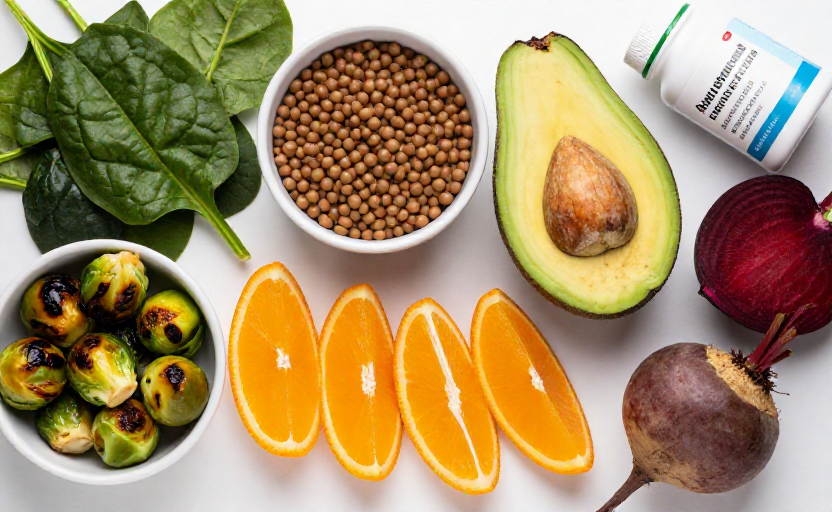
Early pregnancy brings a heightened awareness of nutrition, with folate often topping the list of priorities. This B vitamin plays a crucial role in preventing neural tube defects and supporting the rapid cell division happening in those first weeks. While prenatal vitamins provide a reliable baseline, incorporating whole food sources of folate offers additional benefits like fiber, antioxidants, and other nutrients that work synergistically.
Dietitians emphasize that food-based folate, sometimes referred to as folate (as opposed to the synthetic form, folic acid, found in supplements), is naturally present in many common ingredients. The following seven foods are particularly rich sources that can easily become part of your daily routine during the first trimester and beyond.
1. Leafy Greens: Spinach and Romaine
Dark, leafy greens are a classic choice for good reason. A single cup of cooked spinach, for example, delivers over 260 micrograms of folate, covering more than half the daily recommendation of 400–600 micrograms for pregnant women. Raw spinach is also a solid option; tossing a large handful into smoothies or salads boosts your intake without much effort. Romaine lettuce offers a milder taste and still provides a meaningful amount — about 64 micrograms per cup. The fiber in these greens also helps with the constipation that can accompany early pregnancy.
2. Lentils and Beans
Legumes are powerhouses of folate and plant-based protein. One cup of cooked lentils supplies approximately 358 micrograms of folate, along with iron and fiber. Black beans, chickpeas, and pinto beans are similarly beneficial. Their slow-digesting carbohydrates also help stabilize blood sugar, which can be helpful for managing nausea or energy dips.
3. Fortified Whole Grains
Many breakfast cereals, pastas, and breads are fortified with folic acid, which the body converts into active folate. When scanning labels, look for options that list "100% whole grain" or "whole wheat" as the first ingredient and provide at least 100 micrograms of folic acid per serving. A bowl of fortified cereal with milk can jumpstart your morning folate intake. Similarly, whole wheat pasta or brown rice fortified with folic acid adds another layer of support for lunch or dinner.
4. Avocado
Creamy and versatile, avocado provides both folate and heart-healthy monounsaturated fats. Half a medium avocado contains roughly 80–90 micrograms of folate. It also delivers potassium, which may help with early pregnancy leg cramps, and vitamin C for immune support. Slicing avocado onto toast or blending it into a smoothie makes it an easy addition to meals.
5. Brussels Sprouts and Broccoli
Cruciferous vegetables like Brussels sprouts and broccoli offer a double benefit: they are rich in folate and also provide vitamin C and fiber. One cup of cooked Brussels sprouts has about 160 micrograms of folate. Roasting them with a little olive oil and salt brings out a sweet, nutty flavor that can appeal even to those with texture sensitivities. Steaming broccoli until just tender preserves its folate content better than boiling.
6. Beets
This earthy root vegetable is an often-overlooked source of folate. One cup of cooked beets contains approximately 136 micrograms. Beets also supply nitrates, which may support healthy blood flow and blood pressure regulation during pregnancy. Roasting beets or adding them to salads with a citrus vinaigrette can make them a flavorful part of meal prep. Pickled beets work too, but watch for added sodium.
7. Citrus Fruits: Oranges and Grapefruit
Oranges are a familiar go-to for vitamin C, but they also offer a respectable amount of folate. One medium orange provides about 40–50 micrograms. Grapefruit is similar, with half a medium fruit containing around 30 micrograms. The natural sugars and hydration of citrus can also be soothing for morning sickness. Drinking fresh-squeezed orange juice (without added sugar) is another option, but whole fruit provides more fiber.
Practical Tips for Maximizing Folate Absorption
Folate is water-soluble and sensitive to heat, so gentle cooking methods help retain it. Steaming or sautéing vegetables until just tender is better than boiling them for long periods. Pairing folate-rich foods with a source of vitamin C — like squeezing lemon over spinach or adding bell peppers to lentil soup — may also enhance absorption.
It is also worth noting that the body does not store excess folate, so regular daily intake from food and supplements is necessary. Most prenatal vitamins contain at least 400–800 micrograms of folic acid, which covers the base requirement. Food sources fill in the gaps and add nutritional variety.
"Whole foods offer a matrix of nutrients that work together, not just a single isolated vitamin, so focusing on these sources during early pregnancy supports overall wellness beyond folate alone," says registered dietitian nutritionist Emily Cooper.
If you find yourself struggling with food aversions or severe nausea, a supplement becomes even more critical. Discuss any concerns with your healthcare provider, especially if you have had gastric bypass surgery or take medications that interfere with folate metabolism.