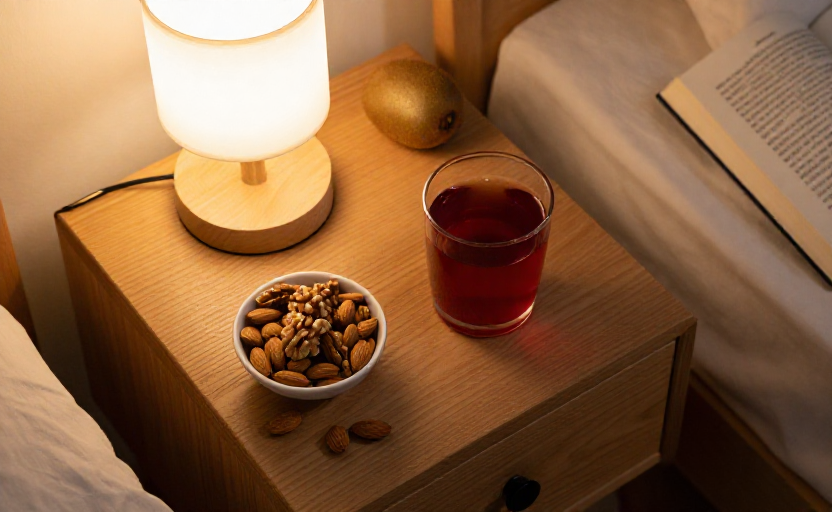
Sleep hygiene is often about what you avoid—screens, late caffeine, heavy meals. But what if the right snack could actually help you drift off? Dietitians know that certain foods contain compounds that support your body's natural sleep-wake cycle. Instead of counting sheep, they reach for these seven science-backed options before turning in.
Here is what the experts eat when they want to wind down, not load up.
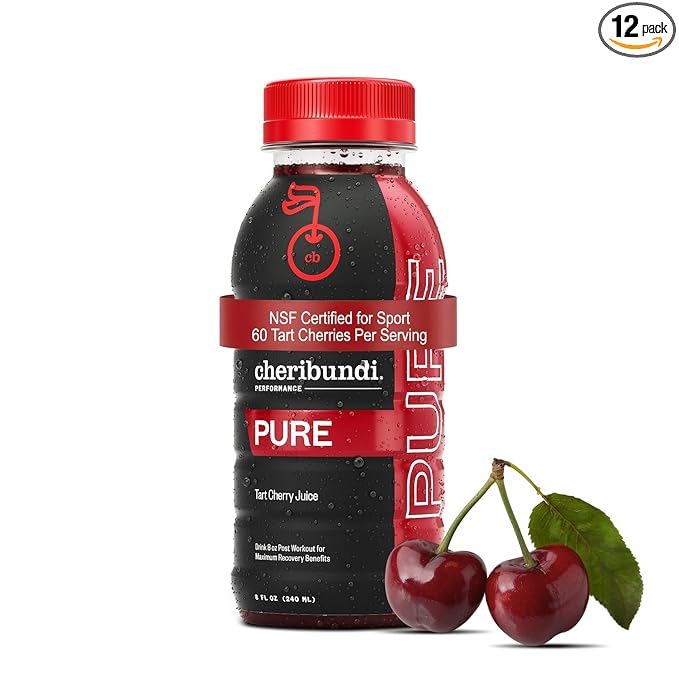
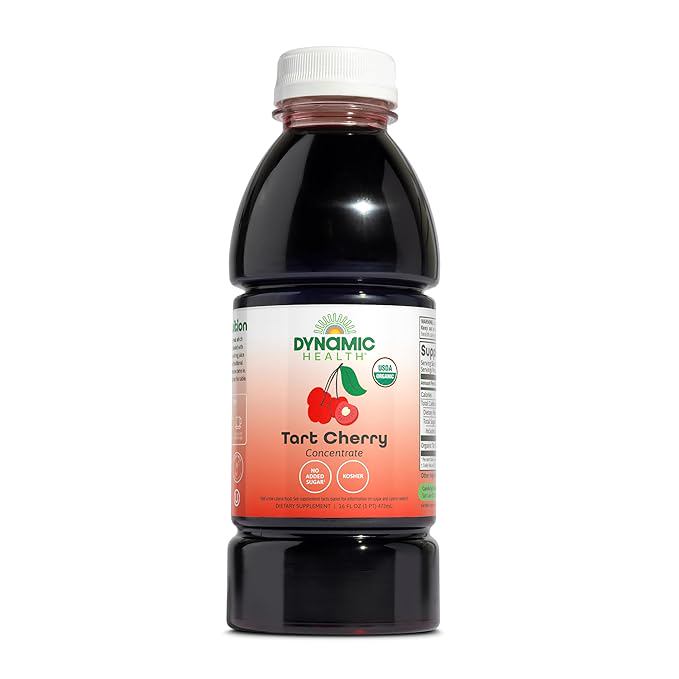
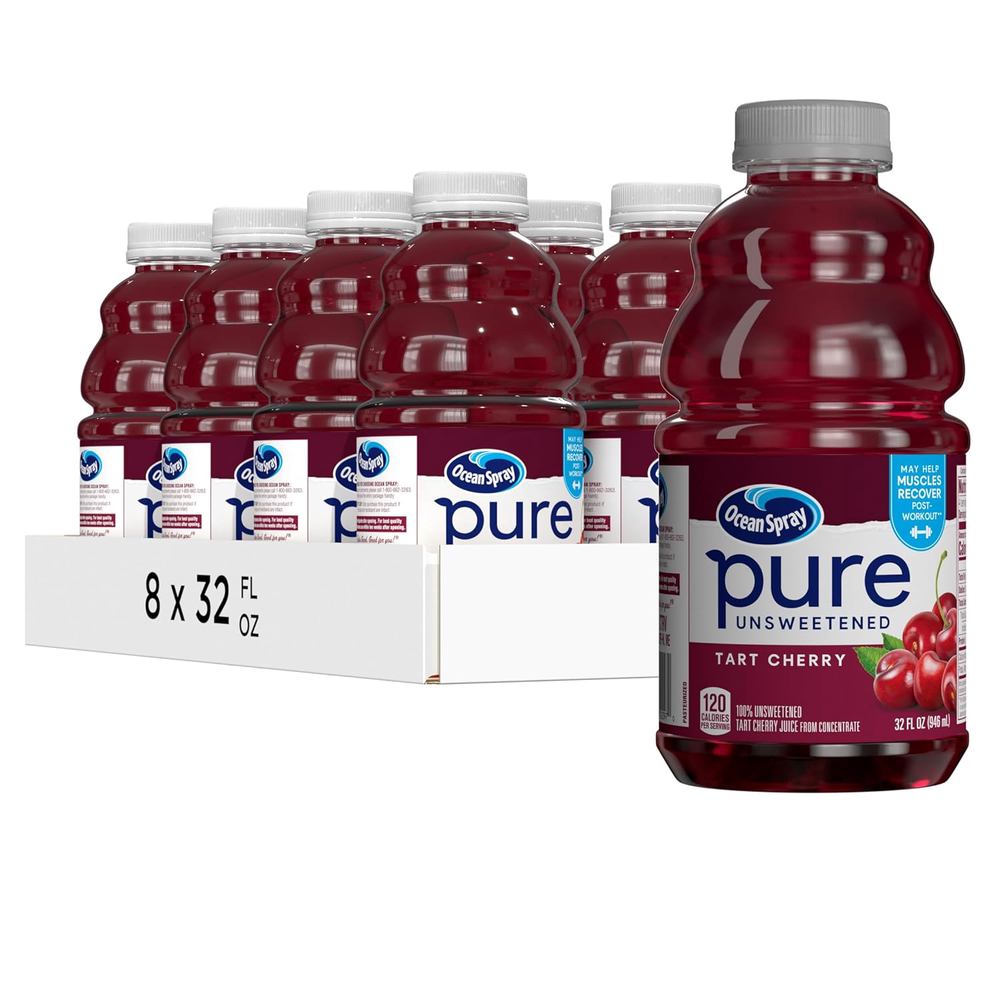
1. Tart cherries or tart cherry juice
Tart cherries are a well-researched sleep aid because they are one of the few natural food sources of melatonin. Melatonin is the hormone that signals your brain it is time to rest. A small glass of unsweetened tart cherry juice or a handful of dried tart cherries about 45 minutes before bed can help raise melatonin levels gently. Several studies show that drinking tart cherry juice twice a day improves sleep duration and quality in adults with insomnia—particularly in older adults. Try it as a pre-bed ritual instead of a nightcap.
2. Kiwi
Two kiwis before bed might be one of the simplest sleep prescriptions. Kiwis are rich in serotonin, which is a precursor to melatonin. They are also packed with vitamin C and antioxidants that may help reduce inflammation and oxidative stress, both of which can interfere with sleep architecture. In a 2011 study published in the Asia Pacific Journal of Clinical Nutrition, adults who ate two kiwis one hour before bed for four weeks fell asleep faster and slept more soundly. No fuss, just fruit.
3. A small bowl of oatmeal with banana
Warm oatmeal is not just comfort food—it is a carbohydrate source that can increase the availability of tryptophan in the bloodstream. Tryptophan is an amino acid the brain uses to make serotonin and melatonin. Adding sliced banana provides potassium and magnesium, two minerals that help relax muscles and nerves. Stick to a small portion—about half a cup of cooked oats—so digestion is gentle and does not disrupt sleep with reflux or bloating.
Quick tip: Skip the sugar and butter. A drizzle of honey and a pinch of cinnamon give you sweetness without the spike-and-crash that refined sugar can cause.
4. A handful of almonds or walnuts
Nuts like almonds and walnuts are a concentrated source of melatonin and magnesium. Magnesium is often called the relaxation mineral because it supports the nervous system and helps calm the stress response. Almonds also provide healthy fats and protein that keep blood sugar stable overnight, which can prevent those middle-of-the-night wake-ups driven by a blood sugar dip. One ounce (about a small handful) is plenty—any more and the fat content might make digestion heavier than you want right before bed.
5. Warm milk or yogurt
Your grandmother might have been onto something. Milk contains tryptophan, calcium, and vitamin D—a combination that may help the brain synthesize melatonin. The calcium in dairy helps the brain use tryptophan more efficiently. A small cup of warm milk or a plain yogurt (no added sugar) about 30 minutes before bed can be soothing. For a plant-based alternative, try unsweetened oat milk or soy milk, which are often fortified with calcium and can provide a similar sensory comfort.
6. A few squares of dark chocolate
Not all chocolate is created equal when it comes to sleep. High-quality dark chocolate—at least 70% cocoa—contains small amounts of magnesium and theobromine, a mild stimulant that is much weaker than caffeine. In low doses, theobromine can have a relaxing effect on smooth muscle. Stick to one or two small squares so you get the mineral benefits without enough theobromine to keep you wired. If you are very sensitive to stimulants, test this one on a weekend first.
7. Turkey or chicken roll-ups
Turkey is famous for tryptophan, but the myth that it is uniquely high in it is overstated. Still, a small protein source can be useful before bed because protein provides amino acids that support overnight muscle repair and stable blood sugar. Roll a slice of low-sodium turkey or chicken around a slice of cheese or a cucumber spear for a snack that satisfies without being heavy. Keep the portion small—roughly one ounce of meat—because a high-protein meal can actually interfere with sleep by keeping digestion active.
None of these foods are a magic bullet. Sleep hygiene is built on consistency: the same bedtime, a dark and cool room, and a winding-down routine that tells your brain it is safe to rest. Think of these snacks as one small, pleasant tool in a larger toolkit. A handful of almonds and a cup of chamomile tea might not replace a sleep disorder treatment, but they can help the average restless night feel a little more restful.