When the days grow short and sunlight becomes a scarce commodity, many of us feel the shift. That familiar dip in energy, the low mood, the craving for comfort foods—these are hallmarks of seasonal affective disorder (SAD), a type of depression that follows a seasonal pattern, most commonly in the fall and winter. While light therapy and professional support are cornerstone treatments, what we put on our plates can play a supportive role in managing symptoms. Nutrition isn't a cure, but it is a powerful tool for nourishing the brain and body during challenging months.
Think of it as building a nutritional foundation of resilience. Certain foods provide key nutrients that are directly involved in the production of mood-regulating neurotransmitters, help regulate our internal body clock, and combat the inflammation sometimes linked to depressive states. By focusing on these dietary allies, you can create meals that actively support your well-being from the inside out.
How can food affect seasonal depression?
The connection between our gut and our brain is profound and well-documented, often called the gut-brain axis. The foods we eat influence the production of chemical messengers like serotonin and dopamine, which regulate mood, sleep, and appetite—all areas commonly disrupted in SAD. Furthermore, nutrients from food help mitigate oxidative stress and support healthy circadian rhythms, which are thrown off by reduced daylight. This isn't about a single magic bullet food, but rather a consistent pattern of eating that supplies the raw materials your brain needs to function optimally during the darker seasons.
Key nutrients and where to find them
Focusing on a few specific nutrients can guide your food choices toward those most likely to offer mood-supportive benefits.
Omega-3 Fatty Acids
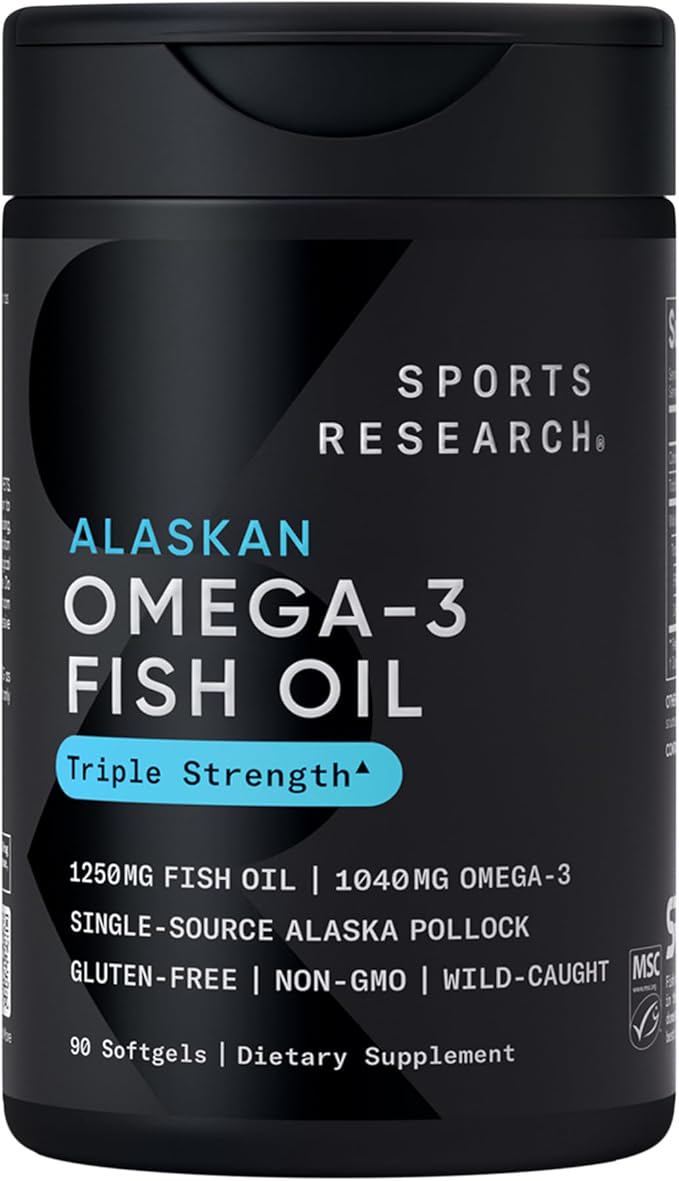
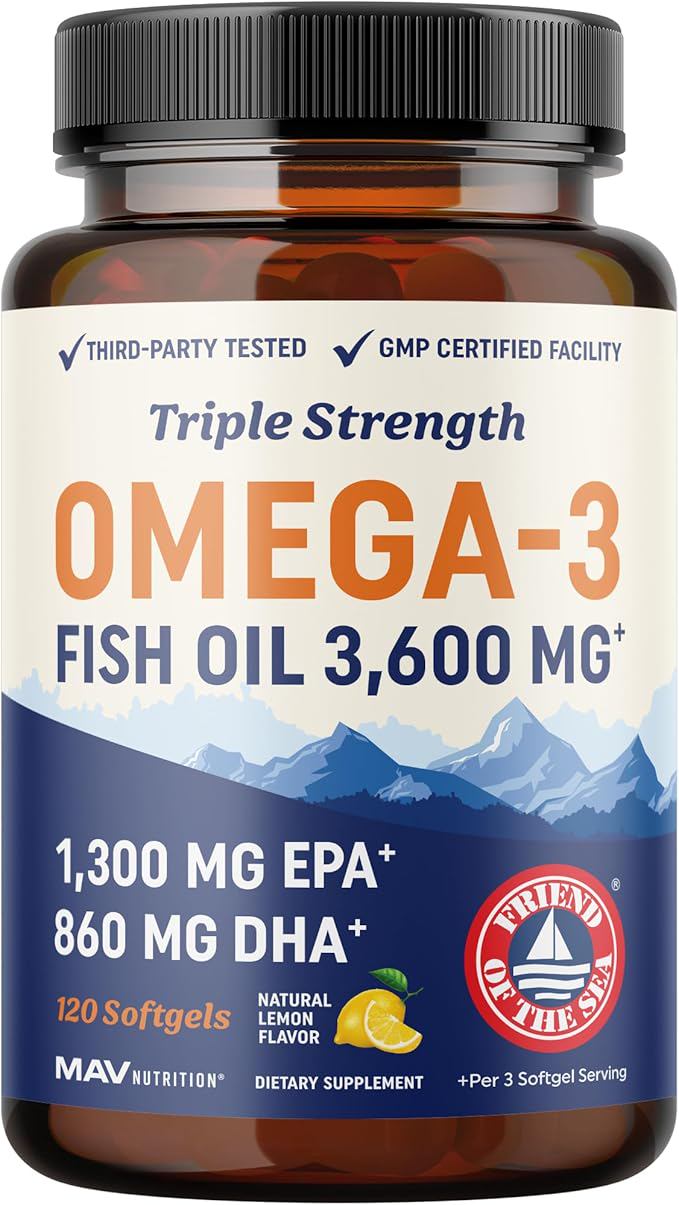
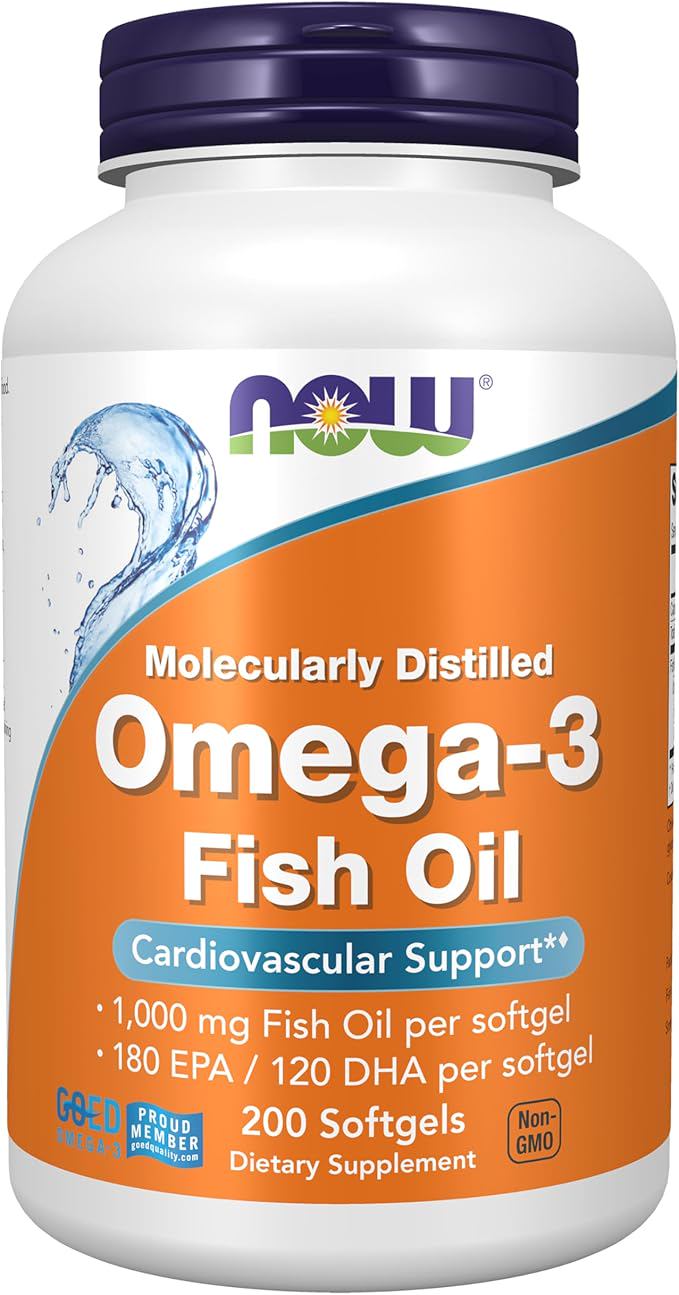
These essential fats, particularly EPA and DHA, are crucial for brain cell membrane health and have anti-inflammatory properties. Research suggests they may play a role in supporting emotional health. Since our bodies can't produce them efficiently, we must get them from food.
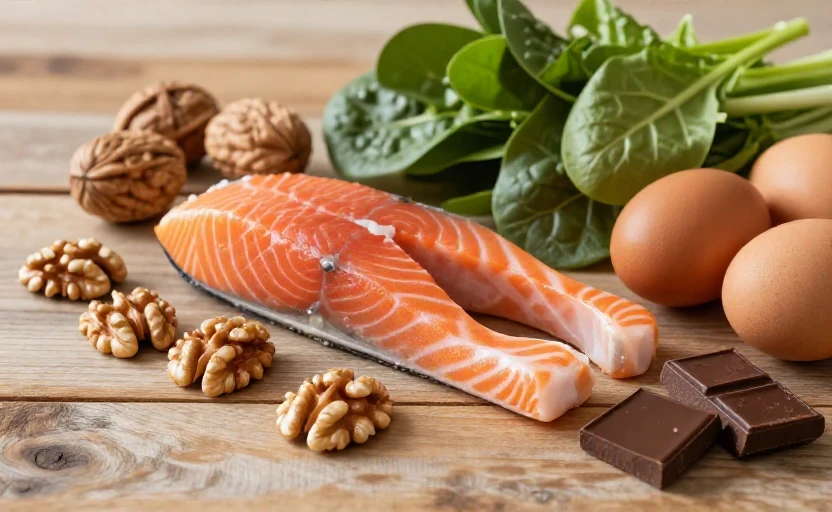
Find them in: Fatty fish like salmon, mackerel, sardines, and herring are the most direct sources. For plant-based options, look to walnuts, flaxseeds, chia seeds, and hemp seeds.
Aim to include a serving of fatty fish at least twice a week, or sprinkle ground flax or chia into oatmeal or smoothies daily.
Vitamin D
Often called the "sunshine vitamin," our skin produces it in response to sunlight. During winter, synthesis plummets, and low levels are frequently observed in people with SAD. Vitamin D receptors are found throughout the brain, and it's involved in neurotransmitter synthesis.
Find it in: Very few foods are naturally rich in Vitamin D. Fatty fish (like salmon and tuna), egg yolks, and fortified foods like milk, orange juice, and some cereals provide some. Given the challenge of getting enough from food and sun in winter, many healthcare providers recommend checking levels and discussing supplementation.
Complex Carbohydrates & Tryptophan
This combination is key for serotonin production. Tryptophan is an amino acid (a building block of protein) that the brain converts into serotonin. But it needs help to cross the blood-brain barrier; consuming it with complex carbohydrates triggers insulin release, which clears competing amino acids from the bloodstream, allowing tryptophan to get through.
Find them in: Pair tryptophan-rich foods like turkey, chicken, eggs, nuts, seeds, and tofu with wholesome carbs like oats, quinoa, sweet potatoes, beans, and whole-grain bread.
B Vitamins
B vitamins, especially B6, B9 (folate), and B12, are co-factors in the biochemical pathways that produce serotonin, dopamine, and other neurotransmitters. A deficiency in these can mimic or worsen symptoms of low mood and fatigue.
Find them in: A varied diet typically covers these needs. Look to leafy greens, legumes, avocados, nuts, seeds, eggs, and lean meats. Nutritional yeast is also an excellent source of many B vitamins.
Foods to focus on for seasonal wellness
Bringing these nutrients together, here are some of the most supportive foods to incorporate regularly during the fall and winter.
Fatty Fish: Salmon is a standout, offering a powerful trio of omega-3s, vitamin D, and protein. Sardines and mackerel are equally potent and often more affordable.
Leafy Greens: Spinach, kale, and Swiss chard are packed with folate (B9) and magnesium, another mineral that supports nerve function and mood regulation.
Nuts and Seeds: A convenient snack and topping. Walnuts provide omega-3s, pumpkin seeds are rich in magnesium and tryptophan, and sunflower seeds offer vitamin B6.
Legumes: Lentils, chickpeas, and black beans are excellent sources of complex carbohydrates, plant-based protein, folate, and stabilizing fiber, which helps prevent blood sugar crashes that can affect mood.
Whole Grains: Oats, brown rice, and quinoa provide steady energy and are the perfect carbohydrate partner to tryptophan-rich foods. They also contain B vitamins and selenium.
Dark Chocolate: In moderation (aim for 70% cocoa or higher), dark chocolate contains flavonoids that may improve blood flow to the brain and compounds that can promote feelings of calm. It also contains magnesium.
Fermented Foods: While more research is needed on the direct SAD link, supporting gut health is supportive of brain health. Foods like yogurt, kefir, kimchi, and sauerkraut introduce beneficial probiotics.
Remember, dietary changes are a complementary strategy. If you're struggling with symptoms of seasonal depression, the most important step is to consult a healthcare professional for an accurate diagnosis and to discuss a comprehensive treatment plan, which may include light therapy, talk therapy, or other interventions. Nutrition works alongside these approaches, offering a way to care for yourself with intention at every meal.