
Pain during intercourse—often called dyspareunia—can stem from many physical and emotional factors. Inflammation in the pelvic region is a common underlying cause, whether due to endometriosis, pelvic inflammatory disease, or even everyday muscle tension. While no drink is a substitute for medical care, emerging research and traditional wisdom point to certain beverages that may help cool systemic inflammation and, in turn, support more comfortable intimacy.
Here are seven drinks that may help reduce inflammation and ease painful intercourse, along with what the science says about each.
1. Tart Cherry Juice
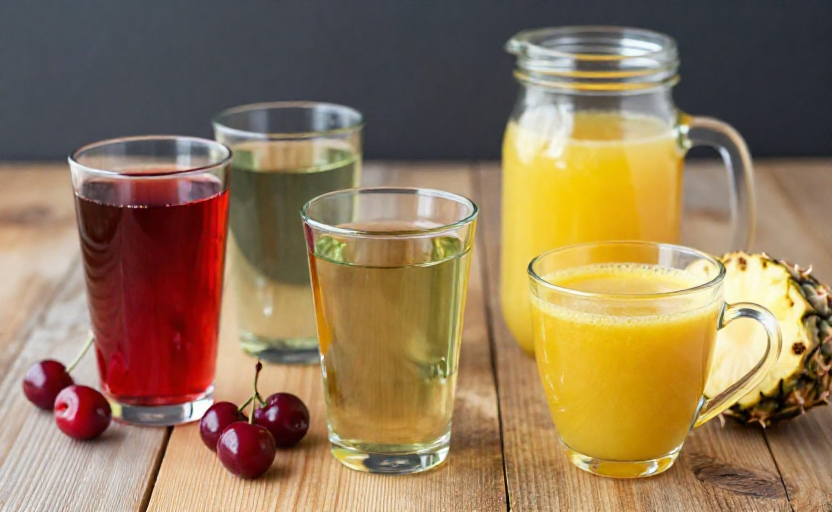
Tart cherry juice is rich in anthocyanins, the pigments that give cherries their deep red color. These compounds have been studied for their ability to lower markers of inflammation like C-reactive protein. For anyone experiencing pelvic discomfort linked to inflammatory conditions, a small glass of unsweetened tart cherry juice daily might offer gentle relief. Look for juice without added sugar, which can actually promote inflammation.
2. Green Tea
Green tea contains epigallocatechin gallate (EGCG), a catechin with well-documented anti-inflammatory properties. Research suggests that EGCG can help reduce inflammation in the lining of the uterus and pelvic tissues, which may be especially helpful for women with endometriosis-related pain. To get the most benefit, brew loose-leaf or bagged green tea fresh and avoid adding too much sweetener.
3. Ginger Tea
Ginger has a long history in both culinary and medicinal traditions as a powerful anti-inflammatory agent. Gingerols, the active compounds in fresh ginger root, can inhibit pro-inflammatory signaling in the body. For pelvic discomfort, a warm cup of ginger tea may also help relax abdominal and pelvic floor muscles, providing a dual benefit of reduced inflammation and eased tension.
4. Bone Broth
Bone broth is a rich source of collagen and amino acids like glycine and proline, which support tissue repair and modulate immune function. For women healing from conditions like pelvic inflammatory disease or recovering from surgery that affects the pelvic region, bone broth provides building blocks for tissue health while delivering a gentle, warm beverage that can soothe the digestive system and reduce systemic inflammation.
5. Beetroot Juice
Beets are packed with betalains, pigments that give them their vibrant color and act as potent antioxidants with anti-inflammatory effects. Beetroot juice also contains nitrates that support healthy blood flow, which may help with sexual arousal and lubrication—two factors that can make intercourse more comfortable. Opt for freshly juiced or bottled beet juice with no added sugar or preservatives.
6. Turmeric Latte (Golden Milk)
Turmeric's active compound, curcumin, is one of the most thoroughly studied natural anti-inflammatory agents. When paired with black pepper (which contains piperine, a compound that boosts curcumin absorption), a warm turmeric latte can deliver a concentrated anti-inflammatory dose. Making this drink with a milk alternative like oat or almond milk keeps it dairy-free, which some women find reduces inflammation further.
7. Pineapple Juice
Pineapple contains bromelain, an enzyme that has been shown to reduce inflammation and swelling. While much of the research on bromelain focuses on post-surgical recovery and sinusitis, its effects on general inflammation may extend to pelvic tissues. Fresh pineapple juice is best, as commercial varieties are often diluted or high in added sugars. Enjoy it in moderation as part of a balanced anti-inflammatory diet.
A note on approach: No single drink can cure a medical condition. If you experience persistent pain during intercourse, it is important to speak with a healthcare provider—ideally a gynecologist or pelvic health specialist—who can help identify the root cause. These beverages may support your body's ability to manage inflammation, but they are best used alongside professional medical guidance and other lifestyle measures like physical therapy, stress reduction, and proper hydration.