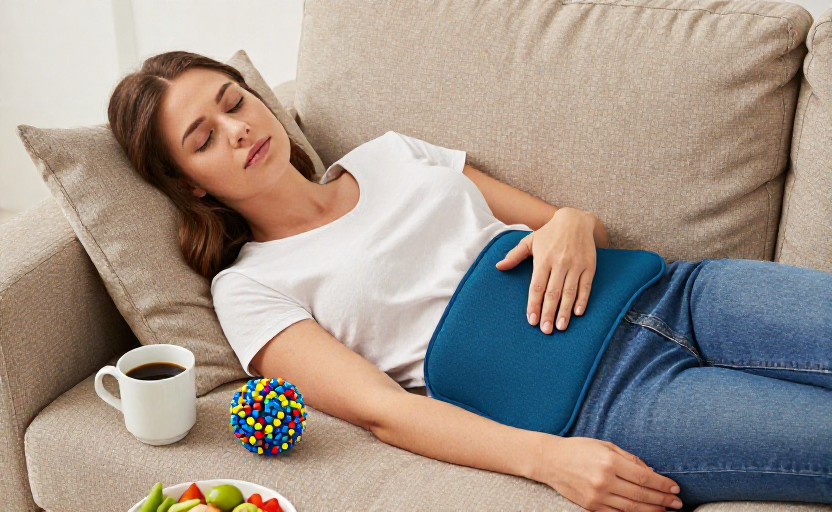
Living with endometriosis often means paying close attention to how your body responds to daily habits. While medical treatment is essential, certain routine choices can quietly amplify pain and inflammation. Understanding these triggers can help you make adjustments that support your comfort and quality of life.
Below are seven common habits that research and clinical experience suggest may worsen endometriosis symptoms. Small shifts in these areas could make a meaningful difference.
1. Eating a diet high in inflammatory fats
Foods rich in trans fats and certain omega-6 fatty acids—like fried items, processed snacks, and many fast foods—can promote systemic inflammation. For someone with endometriosis, this can translate into more intense pelvic pain and cramping. Replacing these with anti-inflammatory choices such as fatty fish, walnuts, and leafy greens may help calm the body's inflammatory response.
2. Skipping regular physical activity
When pain flares, the instinct is often to rest completely. However, prolonged inactivity can reduce blood flow to the pelvic region and stiffen the muscles that support the uterus and ovaries. Gentle movement—think walking, stretching, or yoga—can improve circulation and release tension. Over time, consistent low-impact exercise may help lower pain levels.
Tip: Listen to your body. On high-pain days, even five minutes of gentle stretching can be beneficial without overdoing it.
3. Consuming high amounts of caffeine
Caffeine constricts blood vessels and can increase muscle tension, both of which may aggravate endometriosis-related cramping. It also disrupts sleep for some people, and poor sleep is linked to higher pain sensitivity. Cutting back on coffee, energy drinks, and black tea—or swapping to green tea in moderation—could ease symptoms.
4. Using certain menstrual products
Tampons and pads with fragrances, dyes, or synthetic materials can irritate sensitive tissues and may introduce chemicals that disrupt hormone balance. Consider switching to unscented, organic cotton products or a menstrual cup. These options reduce potential irritants and may lessen discomfort during your period.
5. Elevated stress levels without active management
Chronic stress raises cortisol, which can worsen inflammation and pain perception. Many with endometriosis find that their symptoms spike during high-stress periods. Incorporating stress-management techniques—such as deep breathing, meditation, or talking with a therapist—can be just as important as dietary changes.
6. Drinking alcohol regularly
Alcohol can spike estrogen levels and promote inflammation, both of which can aggravate endometriosis. It may also interfere with sleep quality and liver function, reducing the body’s ability to clear excess hormones. Limiting alcohol or avoiding it altogether may help reduce flare-ups.
7. Ignoring bowel and bladder habits
Endometriosis often affects the bowel and bladder. Holding urine for long periods, eating too little fiber, or skipping water intake can worsen constipation, bloating, and pelvic pressure. Staying hydrated, eating fiber-rich foods, and responding promptly to bathroom urges can minimize added strain on already sensitive pelvic organs.
Endometriosis affects everyone differently, so it’s important to track your own patterns. Paying attention to how these habits influence your pain can guide you toward more comfortable days. Always consult your healthcare provider before making major changes to your routine or treatment plan.