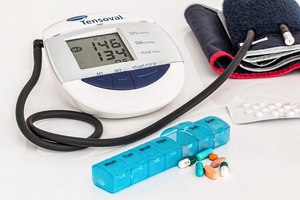

Feeling your heart skip, flip, or pound out of nowhere can be alarming. In that moment, your mind may jump to the worst-case scenario: a heart attack. But the truth is, most heart palpitations are harmless and stem from everyday triggers. While you should never ignore chest pain or persistent symptoms, understanding what else can cause that fluttery feeling may help you stay calm and know when to call your doctor.
Heart palpitations are the sensation of your heart beating rapidly, irregularly, or forcefully. They can feel like a flip-flop in your chest, a racing pulse in your throat, or a brief pause followed by a hard thump. Below are seven common culprits that can mimic a heart attack but usually signal something far less serious.
1. Stress, anxiety, and panic
Your heart and brain are deeply connected. When you're stressed or anxious, your body releases adrenaline and cortisol — hormones that prepare you for "fight or flight." This naturally increases your heart rate and the force of each contraction. For some people, even a minor worry can trigger palpitations. Panic attacks often produce symptoms that are nearly identical to a heart attack: a pounding heart, chest tightness, shortness of breath, and dizziness. If your palpitations occur during moments of high emotion or tension, stress is likely the driver.
2. Caffeine and other stimulants
Caffeine is a well-known stimulant that can rev up your nervous system. For sensitive individuals, a single cup of coffee, energy drink, or even dark chocolate can trigger a temporary bout of palpitations. The effect varies widely from person to person. If you notice your heart racing after your morning latte or an afternoon soda, try cutting back for a week to see if the fluttering subsides.
A quick check: Tea, coffee, energy drinks, and some over-the-counter pain relievers (like those containing caffeine) can all contribute to palpitations.
3. Dehydration and electrolyte imbalances
Your heart relies on a precise balance of electrolytes — primarily potassium, magnesium, sodium, and calcium — to maintain a steady rhythm. When you're dehydrated, your blood volume drops, and your heart has to work harder to pump blood. Low potassium or magnesium levels can cause the heart's electrical system to misfire, leading to skipped beats or fluttering. This is especially common after intense exercise, a night of drinking alcohol, or during an illness that causes vomiting or diarrhea.
4. Alcohol and nicotine
Alcohol is a direct irritant to the heart muscle. In some people, even one or two drinks can trigger what doctors call "holiday heart syndrome" — temporary palpitations or an irregular rhythm that resolves once the alcohol is out of your system. Nicotine, found in cigarettes, vaping products, and nicotine gum, is another potent stimulant. It narrows blood vessels and raises heart rate, which can easily provoke palpitations. Quitting or reducing both substances often brings noticeable relief.
5. Hormonal changes
Hormones have a powerful effect on heart rate. Women frequently report palpitations during pregnancy, perimenopause, and menopause due to shifting levels of estrogen and progesterone. Thyroid hormones also play a role: an overactive thyroid (hyperthyroidism) can speed up your heart rate and cause a sensation of pounding in the chest. If your palpitations coincide with missed periods, hot flashes, or unexplained weight changes, a hormone or thyroid check may be worthwhile.
6. Lack of sleep and fatigue
Sleep deprivation throws your autonomic nervous system out of balance. When you're exhausted, your body may produce more stress hormones, even while you're lying still. This can make your heart feel like it's racing or pounding harder than normal. Many people notice palpitations after a string of poor nights' sleep or during recovery from illness. Prioritizing rest often eliminates the symptom within a day or two.
7. Medications and supplements
Several common medications can cause palpitations as a side effect. Decongestants (like pseudoephedrine), asthma inhalers, and some weight-loss supplements are frequent triggers. Even herbal supplements such as bitter orange or high doses of ginseng can stimulate the heart. If your palpitations started around the same time you began a new prescription or over-the-counter product, it's worth reviewing the label and talking to your pharmacist or doctor.
When to seek medical attention: Palpitations are usually benign, but you should see a doctor if they last for more than a few minutes, happen frequently, or come with chest pain, fainting, severe shortness of breath, or a family history of heart disease. A simple electrocardiogram (EKG) or a wearable monitor can often provide reassurance.