
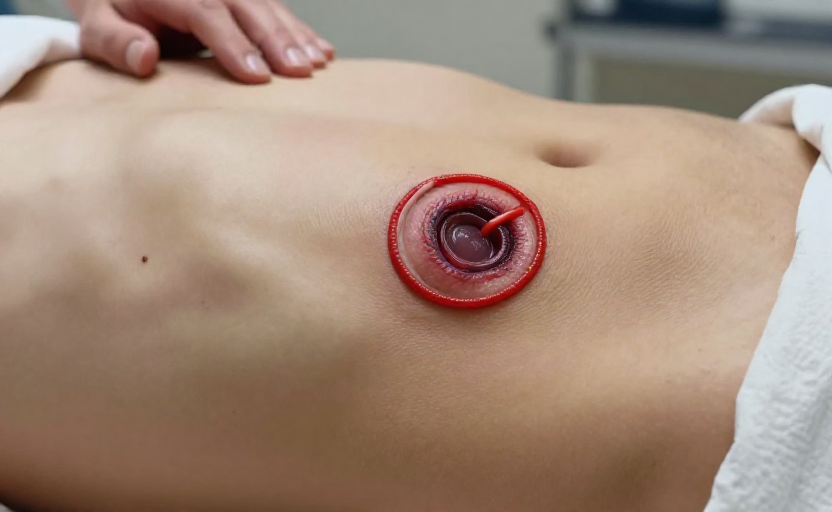
Recovering from surgery or a deep cut takes patience. For the first few days, you are likely focused on rest, pain management, and keeping the wound clean. It is easy to dismiss a little extra redness, a new twinge of pain, or a strange sensation near the stitches as a normal part of healing. And often, it is. But your body also sends clear signals when something is wrong. Learning to recognize those signals early can prevent a minor issue from turning into a serious infection or a wound complication.
This guide covers six specific warning signs that your incision or stitches need professional attention. If you notice any of these, call your surgeon, your primary care provider, or visit an urgent care clinic promptly. Quick action is your best tool for a smooth recovery.
1. Redness That Spreads Beyond the Immediate Edge
A small ring of pink skin around a fresh incision is normal. It represents the body's inflammatory response, the first step of healing. However, the redness should gradually decrease, not increase. A dangerous sign is when the red area expands outward from the wound site, creeping onto healthier skin over the course of a day or two. This spreading redness, known as cellulitis, indicates that bacteria have gotten a foothold in the deeper layers of your skin.
Draw a light pen mark around the red border. If you check it a few hours later and the redness has passed that line, it is time to seek medical evaluation.
2. Drainage That Is Thick, Colored, or Foul-Smelling
Most surgical wounds will produce a small amount of clear, pink-tinged fluid (serosanguinous drainage) for the first 24 to 48 hours. This is normal. The warning sign is a change in the character of that fluid. If the drainage becomes thick, yellow, green, or white, this is purulent drainage—a classic sign of infection. Similarly, any unpleasant or foul odor coming from the wound site is abnormal and requires immediate attention.
If the drainage soaks through your bandage in less than a few hours, or if you need to change the dressing more than three or four times a day, stop waiting and call your doctor.
3. Pain That Worsens After the First Few Days
Pain is expected after any procedure. But the trajectory of that pain matters. Typically, surgical pain peaks within the first 24 hours and then steadily decreases. If you are several days into recovery and the pain is getting worse—not better—it is a red flag. This is particularly concerning if the pain feels different from your baseline soreness. A shift from a dull ache to a sharp, throbbing, or stabbing sensation at the incision site can signal an underlying infection or a deeper problem like a hematoma (a collection of blood under the skin).
Do not double up on over-the-counter pain relievers to mask this type of pain. Increased pain is a message from your body that needs to be investigated.
4. A Visible Opening or Separated Stitches
In a perfect healing world, the edges of your incision remain neatly approximated (touching each other) and sealed by stitches, staples, or surgical glue. A clear warning sign is when you notice a gap or opening between the wound edges. This is called wound dehiscence. Even a small separation of a few millimeters can provide an entry point for bacteria. You might also notice that one of your stitches has come undone or pulled through the skin.
If you see any separation, place a clean, dry gauze pad over the area and contact your healthcare provider. Do not try to pull the wound edges back together with tape or bandages on your own—you could trap bacteria inside.
5. A Fever of 100.4°F (38°C) or Higher
A low-grade temperature (around 99°F) can be a normal reaction to the stress of surgery and tissue trauma. However, a true fever of 100.4°F (38°C) or higher, especially when it occurs two or three days post-surgery, is a systemic sign that an infection may be spreading. This is not a symptom of the wound alone—it means your whole body is fighting something.
Check your temperature twice a day during the first week of recovery. If the thermometer shows 100.4°F or higher, do not wait for it to go down on its own. Call your doctor immediately.
6. Warmth and Hardness Around the Incision
Touch the skin around your incision gently each day. You are familiar with its normal temperature and texture. A warning sign develops when the surrounding skin feels noticeably warm or hot to the touch compared to the skin on the other side of your body. This localized heat indicates increased blood flow and inflammation deep within the tissue, often driven by infection. You may also feel a firmness or induration (hardness) under the skin around the wound that was not there before.
This combination of warmth and hardness, especially when coupled with redness or pain, is a strong indicator that an infection may have developed below the surface, where it is harder to see.
When in doubt, check it out. Your healthcare team would far rather you call about something that turns out to be nothing than have you wait until a problem becomes severe. Keep your follow-up appointments, keep the wound dry as instructed, and trust your instincts. If something feels off about your incision or stitches, it probably is.