Sleep is supposed to restore you. But for millions of people, each night is a silent struggle for air. Sleep apnea is one of the most underdiagnosed health conditions in the United States, and the reason is simple: you’re unconscious while it happens. You don’t remember the gasps, the pauses, or the strain. What you do remember is waking up groggy, irritable, and headachy—day after day.
Pulmonologists, the specialists who treat breathing disorders, see the toll this takes. They also know that catching sleep apnea early can prevent serious problems—everything from high blood pressure and heart strain to daytime accidents caused by exhaustion. Here are six specific warning signs that pulmonologists say you should take seriously.
1. Loud, persistent snoring that disrupts others
Not everyone who snores has sleep apnea, but the quality of the snoring matters. Pulmonologists listen for a specific pattern: snoring that is loud enough to be heard through walls, often followed by a sudden silence—the pause in breathing—and then a dramatic gasp or snort as the brain forces you to inhale.
If your partner describes your snoring as “shocking” or “scary,” or if it seems to stop and start in cycles, that’s a signal worth investigating. Occasional snoring from allergies or sleeping on your back is less concerning than nightly loud snoring with witnessed pauses.
A quick check: If you sleep alone, try recording audio for a few hours. Listen for long silences or choking sounds. It’s not a diagnosis, but it can help you decide if a sleep study is warranted.
2. Gasping, choking, or snorting yourself awake
This is the clearest sign that your airway is collapsing during sleep. When the soft tissues in your throat block airflow, your oxygen levels drop. Your brain eventually panics and wakes you just enough to take a forceful breath. That breath often sounds like a choke, a snort, or a gasp.
Some people recall these episodes and describe feeling like they are drowning or being strangled. Others have no memory of them at all. If a partner tells you that you make these sounds during the night, take it seriously. This is not normal sleep behavior.
3. Excessive daytime sleepiness that interferes with daily life
Everyone feels tired sometimes, especially after a short night. But sleep apnea produces a deeper, crushing fatigue. You might find yourself nodding off while reading, watching television, or—dangerously—while driving. Do you absolutely need a nap just to make it through the afternoon? Do you fall asleep in meetings or during quiet conversations?
Pulmonologists often use the Epworth Sleepiness Scale to assess this. If you frequently struggle to stay awake while sitting still, it points toward a sleep disorder, not just a need for more coffee.
4. Morning headaches that fade within a few hours
Recurring morning headaches are a lesser-known but telling symptom of sleep apnea. They result from carbon dioxide buildup and oxygen drops during those apneic pauses. As your brain struggles with low oxygen, blood vessels dilate to increase flow, which can trigger a headache by the time you wake.
These headaches are typically dull, pressing, and located on both sides of the head. They often resolve on their own after you get upright and start breathing normally again. If you wake up with a headache more than once a week, it’s worth mentioning to your doctor, especially if combined with snoring or sleepiness.
5. Waking up with a dry mouth or sore throat
When your airway is obstructed, you instinctively switch to mouth breathing during sleep. Sleeping with your mouth open for hours dries out the mucous membranes in your throat and mouth. You might wake up with a parched tongue, cracked lips, or a throat that feels raw—even though you weren't sick. Some people even notice a very dry mouth multiple times per night, forcing them to get up for water.
This sign is often dismissed as a side effect of dry air or allergies. If it happens most mornings and you also snore loudly or feel tired, sleep apnea should be on your radar.
6. Waking up frequently to urinate (nocturia)
Needing to use the bathroom two, three, or more times a night can be more than a bladder issue. During apneic events, your heart interprets the drop in oxygen as a form of stress. This triggers the release of atrial natriuretic peptide, a hormone that tells your kidneys to produce more urine. The result: you wake up from a breathing pause and then feel the urgent need to go.
Men over fifty are sometimes quick to blame an enlarged prostate for nighttime urination. While that can absolutely be a factor, treating sleep apnea in some men has been shown to cut nighttime bathroom trips by half. If you’ve tried limiting fluids before bed and still wake up multiple times, sleep apnea could be part of the picture.
What to do if these symptoms sound familiar
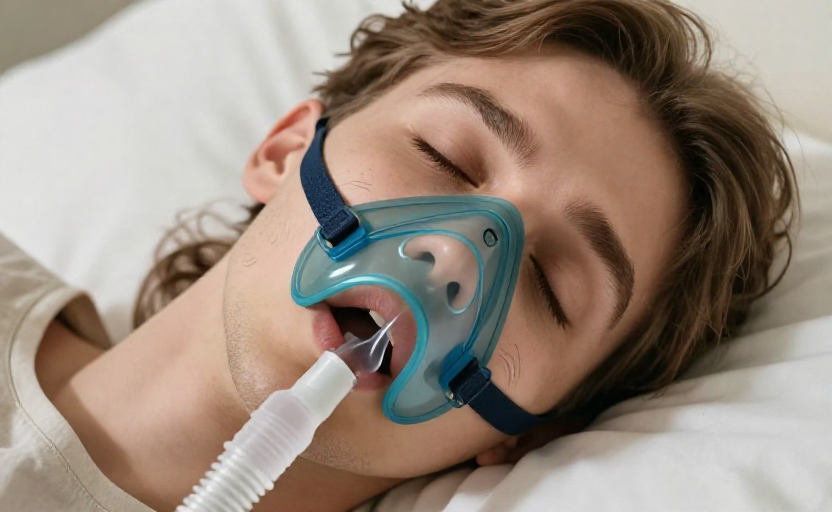
If you recognize two or more of these signs in yourself—or if a bed partner has raised concerns—don’t wait. Many people live with sleep apnea for years, assuming it’s just how they sleep. The good news is that diagnosis is straightforward, often starting with a home sleep test. Treatment, typically using a CPAP machine or oral appliance, usually resolves symptoms quickly.
Untreated sleep apnea puts a persistent strain on your cardiovascular system and your daily quality of life. You can’t fix it by sheer willpower, and it won't go away on its own. A pulmonologist or sleep specialist can help you get the right test and the right treatment so that your nights actually restore you.