When your thyroid is working overtime, the last thing you want is a meal that adds to the internal commotion. An overactive thyroid, or hyperthyroidism, can leave you feeling jittery, overheated, and perpetually on edge. While dinner is a time to nourish and unwind, it can also be a strategic opportunity to support your body with calming, nutrient-dense foods that don’t fuel the fire.
The goal isn’t to prescribe a rigid diet, but to explore gentle, satisfying meals built around ingredients known for their supportive roles. Think of these recipes as a quiet counterbalance—focusing on lean proteins, certain vegetables, and healthy fats that provide steady energy without overstimulation. They are designed to be simple, delicious, and a peaceful end to your day.
What to Look for in a Thyroid-Soothing Meal
Nutrition for hyperthyroidism often centers on providing ample nutrients to support a body in overdrive. Key considerations include incorporating foods that may help modulate the excessive production of thyroid hormones and ensuring you get enough of the vitamins and minerals depleted by a sped-up metabolism, like calcium and vitamin D.
It’s equally about what you might choose to moderate. Some healthcare providers suggest that individuals with an overactive thyroid may benefit from limiting excessive iodine intake, which is a building block for thyroid hormones. This doesn’t mean a strict low-iodine diet is for everyone—that’s a medical decision—but it does mean being mindful of concentrated sources like iodized salt, certain seafood, and seaweed.
The following recipes embrace this balanced approach, prioritizing whole foods that are naturally nourishing and gentle.
6 Calming Dinner Recipes
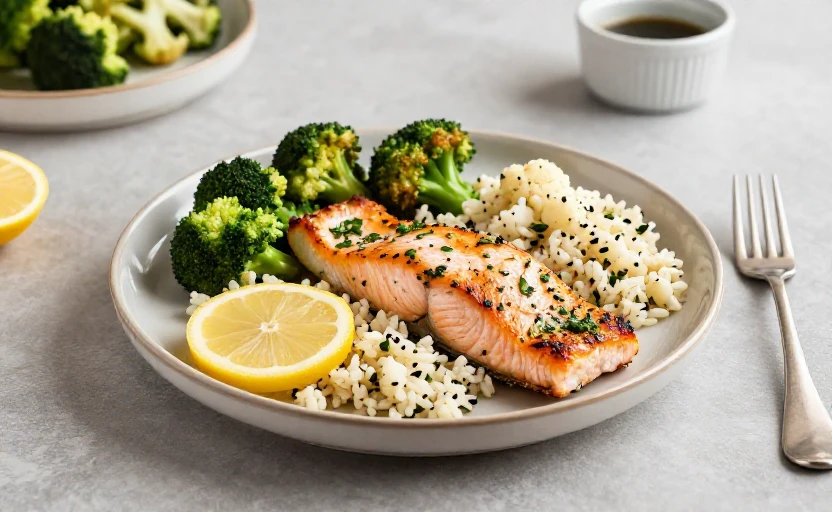
1. Lemon-Herb Baked Salmon with Roasted Broccoli
Salmon is a stellar choice, rich in anti-inflammatory omega-3 fatty acids and a good source of vitamin D, which is crucial for bone health—a particular concern when metabolism is high. Broccoli, when cooked, is a goitrogenic vegetable, meaning it may help slightly slow thyroid hormone production when consumed in regular, moderate amounts as part of a varied diet.
Simple method: Place a salmon fillet on a baking sheet. Drizzle with olive oil, fresh lemon juice, and a generous sprinkle of dill and parsley. Season with a little non-iodized or kosher salt and pepper. Bake at 400°F (200°C) for 12-15 minutes. Toss broccoli florets in olive oil and roast on the same pan until tender and slightly crisp.
2. Turkey and White Bean Chili
Lean ground turkey provides a boost of protein to help maintain muscle mass, which can be affected by a revved-up metabolism. White beans add fiber and are a good source of zinc, a mineral that supports immune function and may be beneficial for thyroid hormone conversion. This is a hearty, one-pot meal that relies on spices like cumin and paprika for depth, not excess salt.
Tip: Use no-salt-added canned beans and diced tomatoes to better control the sodium and iodine content.
3. Mediterranean Chicken Bowl with Cauliflower Rice
This bowl is a mosaic of supportive ingredients. Grilled chicken offers lean protein. Cauliflower rice is another cooked cruciferous vegetable that fits well into a thyroid-friendly plate. The classic Mediterranean additions—cucumber, tomato, olives, and a lemon-olive oil dressing—provide antioxidants and healthy fats without heaviness.
4. Lentil and Vegetable Soup
Lentils are a fantastic plant-based protein and iron source, important because a rapid metabolism can sometimes lead to nutrient shortages. This comforting soup combines lentils with carrots, celery, zucchini, and spinach in a gentle broth. It’s easy to digest and deeply nourishing, perfect for an evening when you need warmth and ease.
5. Zucchini Noodles with Basil Pesto and Grilled Shrimp
Light yet satisfying, this dish swaps out traditional pasta for spiralized zucchini, reducing the meal’s overall carbohydrate load, which some find helpful for managing energy swings. The pesto, made from fresh basil, pine nuts, olive oil, and garlic (omit Parmesan if avoiding dairy), offers healthy fats and flavor. Shrimp adds protein; just be mindful of portion size as seafood contains iodine.
6. Stuffed Bell Peppers with Quinoa and Black Beans
Bell peppers stuffed with a mixture of cooked quinoa, black beans, corn, diced tomatoes, and spices make for a colorful, balanced meal. Quinoa is a complete protein and provides magnesium, which can support nervous system calm. Black beans contribute fiber and protein. It’s a vegan-friendly option that is both filling and naturally low in iodine.
Building Your Plate for Balance
Beyond specific recipes, a helpful framework is to build your plate with intention. Aim for:
- A palm-sized portion of lean protein: like chicken, turkey, eggs, or legumes.
- A generous serving of non-starchy vegetables: especially cooked cruciferous varieties like cabbage, Brussels sprouts, or kale.
- A modest portion of complex carbohydrates: such as sweet potato, quinoa, or brown rice for sustained energy.
- A source of healthy fat: like olive oil, avocado, or a small handful of nuts.
This combination helps stabilize blood sugar, provides sustained energy, and delivers a broad spectrum of nutrients without overburdening your system.
A Note on Personalization
These recipes and suggestions are grounded in general nutritional principles for supporting thyroid health. They are not a treatment plan. Hyperthyroidism is a medical condition that requires professional management.
Always discuss significant dietary changes with your doctor or a registered dietitian who understands your personal health history, current medications, and specific thyroid lab results. What is supportive for one person may need adjustment for another.
The ultimate goal of these dinners is to provide comfort, nourishment, and a sense of peaceful agency at the table. By choosing ingredients that work with your body, you can turn your evening meal into a gentle, supportive ritual.