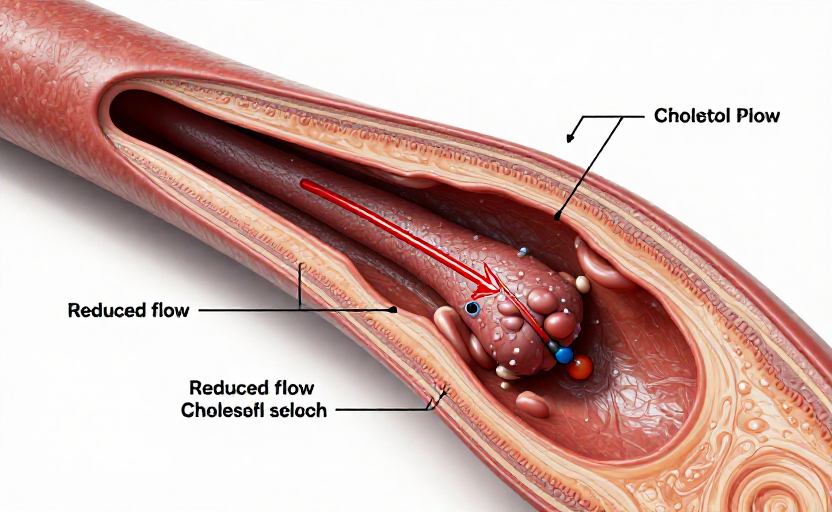
Arterial plaque doesn't form overnight. It develops over years, often silently, as cholesterol, fats, and other substances build up along artery walls. This process, known as atherosclerosis, can stiffen and narrow the vessels that carry oxygen-rich blood to your heart and brain. While some risk factors like age and genetics are out of your hands, the progression of plaque buildup is heavily influenced by daily habits. The goal isn't to reverse existing damage overnight, but to slow the process and protect your arteries from further harm. These six prevention tips offer a practical starting point for better vascular health.
1. Prioritize dietary fats that protect, not inflame
The type of fat you eat matters far more than the total amount. Saturated fats and trans fats can increase low-density lipoprotein (LDL) cholesterol, often called the "bad" cholesterol, which is a primary component of arterial plaque. Conversely, unsaturated fats—found in avocados, nuts, seeds, and olive oil—can help reduce inflammation and support healthy cholesterol levels.
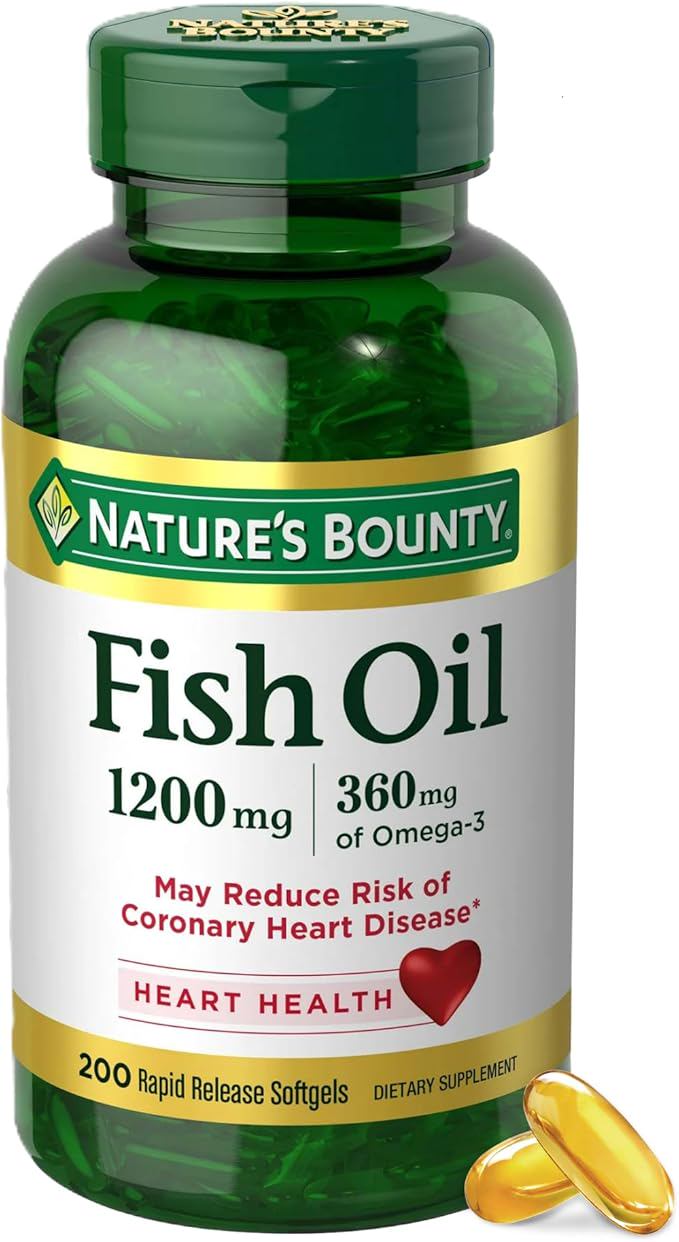
A simple shift: replace butter with extra-virgin olive oil for cooking and dressings. Swap red meat for fatty fish like salmon or mackerel twice a week. These changes help reduce the raw materials your body uses to create plaque.
Small swaps matter. Replacing even one serving of red meat per day with a plant-based protein like lentils has been linked to lower plaque progression.
2. Increase your soluble fiber intake at every meal
Soluble fiber acts like a sponge in your digestive tract, binding to cholesterol and helping your body excrete it before it can enter your bloodstream. This directly reduces the pool of cholesterol available to form plaque. Foods particularly high in soluble fiber include oats, barley, beans, lentils, apples, citrus fruits, and carrots.
Try starting your day with a bowl of oatmeal topped with sliced apple and a sprinkle of cinnamon. Add a side of black beans or lentils to your lunch or dinner. Gradual increases in fiber help prevent digestive discomfort while delivering consistent cardiovascular benefits.
3. Manage blood pressure like it's your full-time job
High blood pressure is one of the most powerful accelerators of plaque formation. It damages the delicate inner lining of your arteries (the endothelium), creating rough patches where cholesterol and inflammatory cells can easily lodge and form plaque. Lowering your blood pressure reduces this mechanical stress and slows the entire cascade.
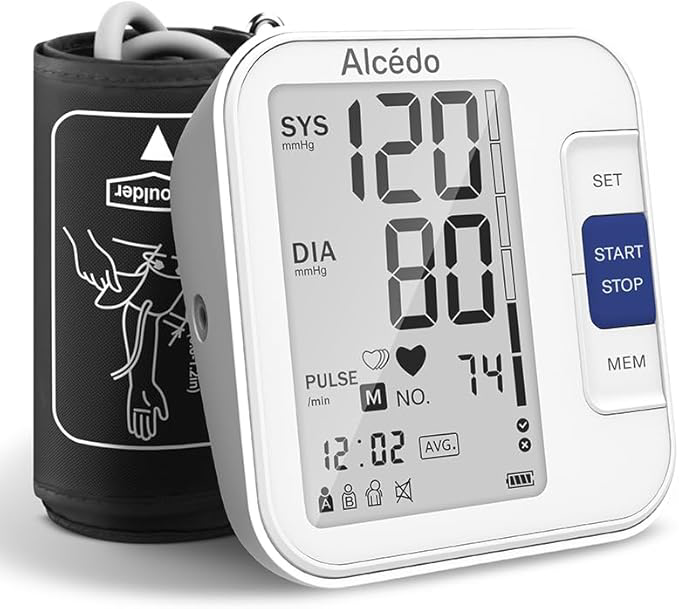
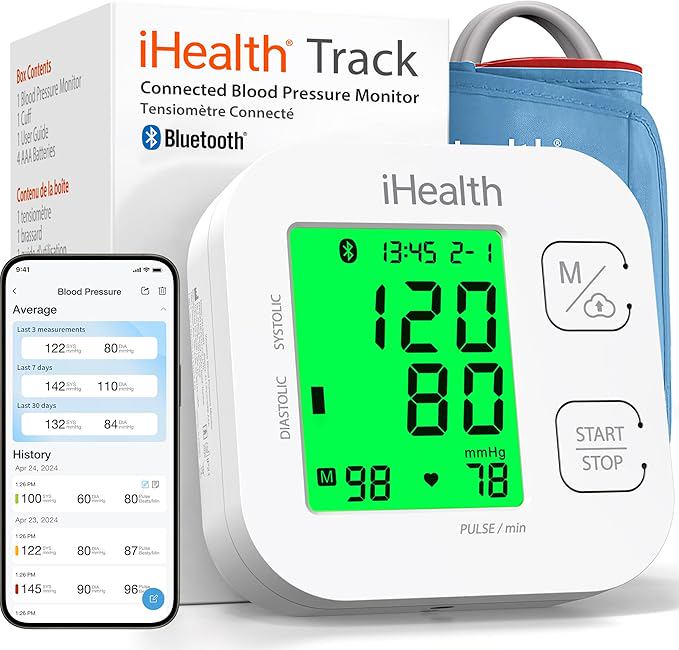
Beyond medication prescribed by your doctor, lifestyle changes can significantly impact your numbers. These include reducing sodium intake (aim for less than 2,300 mg per day, ideally around 1,500 mg), maintaining a healthy weight, limiting alcohol to moderate levels, and engaging in regular physical activity. Monitoring your blood pressure at home can help you see the direct impact of your choices.
4. Move your body to improve arterial flexibility
Regular aerobic exercise doesn't just burn calories—it actively improves the health of your arteries. Physical activity stimulates the production of nitric oxide, a molecule that helps arteries dilate and remain flexible. This reduces the shear stress on vessel walls and helps maintain a healthy endothelium. The result is less opportunity for plaque to take hold.
You don't need intense marathon training. Brisk walking, cycling, swimming, or even consistent gardening for 30 minutes most days of the week can produce meaningful changes. Consistency matters more than intensity. If you're starting from a sedentary baseline, begin with 10-minute sessions and build up gradually.
5. Quit smoking and avoid all tobacco exposure
Smoking and tobacco use are among the most potent risk factors for arterial plaque buildup. The chemicals in tobacco smoke directly damage the endothelium, increase inflammation, raise blood pressure, and make blood platelets stickier. This creates a perfect storm for plaque formation and eventual rupture. Even occasional smoking or exposure to secondhand smoke carries significant risk.
If you currently smoke, the most important step you can take for your arteries is to quit. The benefits begin almost immediately. Within just a few weeks, your blood pressure starts to drop, and the repair process of your artery lining can begin. Seek support through cessation programs, nicotine replacement therapy, or medications, and consider that it often takes multiple attempts to quit for good.
6. Reduce chronic stress and prioritize quality sleep
Chronic stress is not just a mental burden—it has a measurable physical impact on your arteries. Elevated stress hormones like cortisol can increase blood pressure, promote inflammation, and encourage the accumulation of visceral fat, all factors that accelerate plaque development. Similarly, poor sleep (fewer than 6 hours per night) disrupts hormone regulation and increases cardiovascular risk.
Building resilience to stress can involve practices like deep breathing, meditation, or regular breaks from screens. For sleep, aim for 7 to 9 hours each night by keeping a consistent schedule, limiting caffeine after midday, and making your bedroom cool and dark. These recovery habits create the physiological environment where your blood vessels can heal and maintain their flexibility.
Key Takeaways
- Replacing saturated and trans fats with unsaturated fats from sources like olive oil, nuts, seeds, and fatty fish can help reduce inflammation and slow plaque buildup.
- Soluble fiber from oats, beans, apples, and carrots actively helps remove cholesterol from your body.
- Controlling high blood pressure is crucial because it damages artery linings and creates entry points for plaque.
- Regular aerobic exercise supports arterial flexibility and healthy endothelial function.
- Quitting smoking and managing chronic stress and sleep are foundational for slowing atherosclerosis.