

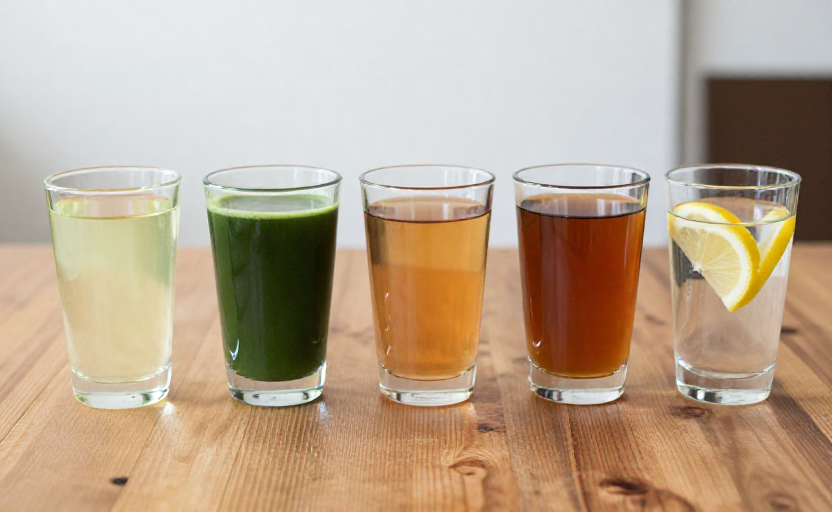
If you are navigating PCOS, you know how frustrating unwanted hair growth can be. Hirsutism—the medical term for this symptom—often stems from elevated androgens. While managing levels of hormones like testosterone requires a comprehensive approach, what you drink each day can play a supporting role. These six beverages, chosen for their nutritional properties, may help calm the hormonal environment that drives excess hair growth.
Spearmint tea
Spearmint tea has earned attention in the PCOS community for a good reason. Research suggests that drinking two cups of organic spearmint tea daily can significantly reduce free testosterone levels. One small 2010 study found that after just five days, women with hirsutism who drank spearmint tea had lower free testosterone and higher luteinizing hormone and follicle-stimulating hormone. While the data is preliminary, the anti-androgenic properties of spearmint are promising for a natural, caffeine-free addition to your routine. Brew it fresh, let it cool slightly, and sip slowly—it is also wonderfully soothing on the digestive system.
Green tea (unsweetened)
Green tea is rich in catechins, particularly epigallocatechin gallate (EGCG), which may help lower androgen levels. A 2020 meta-analysis suggested that green tea and its extracts could reduce total testosterone and improve insulin sensitivity—a key factor because high insulin drives the ovaries to produce more androgens. For hair growth reduction, aim for unsweetened green tea. Matcha, which is powdered whole green tea leaves, delivers an even more concentrated dose of catechins. Keep in mind that green tea does contain caffeine, so limit intake to late morning or early afternoon and avoid it close to bedtime.
Cinnamon tea or cinnamon-infused water
Cinnamon is more than a cozy spice; it is a potent insulin sensitizer. By helping your cells respond better to insulin, cinnamon can lower circulating insulin levels. When insulin drops, the ovaries receive a weaker signal to produce testosterone, which may slow the progression of new terminal hair growth. You can make cinnamon tea by simmering a stick of Ceylon cinnamon in water for 10 minutes. Avoid cassia cinnamon in large amounts due to its coumarin content. A simple warm infusion two to three times per week fits well into a PCOS-supportive diet.
Licorice root tea (short-term only)
Licorice root contains glycyrrhizin, a compound that can suppress the production of androgens in the adrenal glands. Some women with PCOS find that drinking licorice root tea for short periods—no more than two weeks at a time—helps reduce facial hair growth. However, this is not a drink for daily, long-term use. Glycyrrhizin can raise blood pressure and lower potassium levels. If you have hypertension or kidney concerns, avoid licorice root entirely. When you do use it, cycle it: one cup daily for 10–14 days, then a break for at least two weeks. Always inform your healthcare provider before adding licorice root to your regimen.
Bone broth (collagen-rich)
While bone broth does not directly lower androgens, it supports overall metabolic health and gut integrity—two areas that influence hormone balance. The glycine and proline in bone broth support detoxification pathways in the liver, which is essential for clearing excess hormones from the body. A healthy gut microbiome also helps regulate estrogen and androgen metabolism. Sipping a warm cup of bone broth in the afternoon can also stabilize blood sugar by providing protein without spiking insulin. Choose homemade or a low-sodium store-bought version with no added sugars or starches.
Adequate water (plain or with lemon)
Hydration may sound too simple, but water is arguably the most important PCOS-friendly drink. Dehydration raises cortisol, and cortisol prompts the body to produce more androgens. Proper hydration helps maintain optimal kidney and liver function, both of which are responsible for metabolizing and excreting hormones. Aim for half your body weight in ounces of water daily. For example, a 150-pound woman would target 75 ounces. Adding a squeeze of fresh lemon provides vitamin C and supports liver detoxification without any sugar or artificial additives.
Tips for building your beverage routine
Consistency matters more than perfection. Start by swapping one sugary or caffeinated drink for one of the beverages above. Keep a pitcher of cinnamon-spiced water or cold-brewed spearmint tea in your fridge to make hydration easy. Do not expect overnight results; hirsutism changes slowly, over months of steady hormonal improvement. These drinks are supportive tools, not stand-alone treatments. Continue working with your endocrinologist or gynecologist to address the root causes of your PCOS, including insulin resistance, inflammation, and elevated androgens.
Quick tip: Pair spearmint tea with a small handful of almonds or walnuts to stabilize blood sugar while you sip. This simple combination can blunt the insulin spike from other foods eaten later.


